The blank page is never actually blank. Designers do not solve problems so much as frame them; the framing always precedes the solving. Before a single line is drawn, we have already decided what counts as the problem, whose experience is worth designing for, and what a good outcome looks like. Victor Papanek made the same point more bluntly: the designer brings a complete cultural program to every brief, whether they acknowledge it or not. So where does that leave open-ended imagination in the age of scientific discovery? The last time humanity expanded into new worlds on this planet, it took courage and madness, but the hypothesis was always extraction framed as progress. This pattern became infrastructure, and infrastructure, once built, is very difficult to undo.
The contemporary space sector frames itself as technical, neutral, future-facing. But the systems being exported are familiar: military logic, geopolitical competition, extractive ownership models. Space is no longer a blank slate for our imagination. Even science fiction is inventing inside a box of assumptions. What gets built in space will not stay in space – the infrastructure decisions being made now will calcify into the architecture of whatever comes after..

Discovery vs Design – a Slippery Slope
Every act of discovery involves a framing decision about what is being found and for whom. Geographers and historians of science call this the “view from nowhere” problem: the claim to neutral observation that is always, in practice, a view from somewhere specific. When European cartographers mapped unfamiliar territories, they did not describe what was there – they described what was legible to their instruments and useful to their patrons. The coastlines were precise. The interiors were filled with projection and myth. Bruno Latour argued that scientific facts are not discovered but constructed, assembled through networks of instruments, institutions, and interests that determine what counts as evidence. Design operates the same way. The moment a design team defines a user, a problem, or a constraint, doors close.
Gehl’s observation about 20th-century urban planning is precise: cities were designed to look coherent from above, not to be experienced by a body at street level. The result was environments legible as diagrams and hostile as places. The car became the norm not because it served cities best, but because it matched the scale at which planners were working. Tony Fry calls this “defuturing”: design that forecloses possibilities it cannot see. A lunar habitat designed from Earth carries the same structural problem – the gaps in experience get filled with assumptions, and the assumptions are invisible to the people who hold them.
Space Imagination as Unexploited Resource
Space has always leaked into everyday life. Gore-Tex and freeze-dried food are well-known examples – materials and technologies refined under extreme conditions that turned out to be useful back on Earth. But we have failed to use space as what it actually is: the one design environment where inherited defaults have no physical foundation. Where the floor, the 24-hour clock, the territorial border, and the hierarchy of who decides are not given conditions but active choices. That is an extraordinary design resource. It is almost entirely unexploited.

Science fiction has always understood this. The genre has functioned for over a century as a laboratory for ideas too disruptive to propose directly – a safe distance from which to model alternative societies and ways of being human. Le Guin’s anarchist planets. Butler’s post-apocalyptic kinship systems. These are not escape. They are speculation made rigorous.
The practice has direct commercial precedent. Before Minority Report, Steven Spielberg convened architects, technologists, and writers to design the world of 2054. The result was not a film aesthetic but a prototype lab. Gesture-based interfaces, autonomous vehicles, predictive policing: technologies now deployed or in active development. The speculation was serious enough to become a reference point for actual product design.
Design fiction as a formal practice constructs futures as proposals, making alternative systems tangible enough to be evaluated, debated, and sometimes built. Space is the ideal setting for this work. No gravity to anchor inherited assumptions. No existing users to design around. No legal framework solid enough to foreclose alternatives. The conditions for genuine speculation are already there. The speculation, mostly, is not.
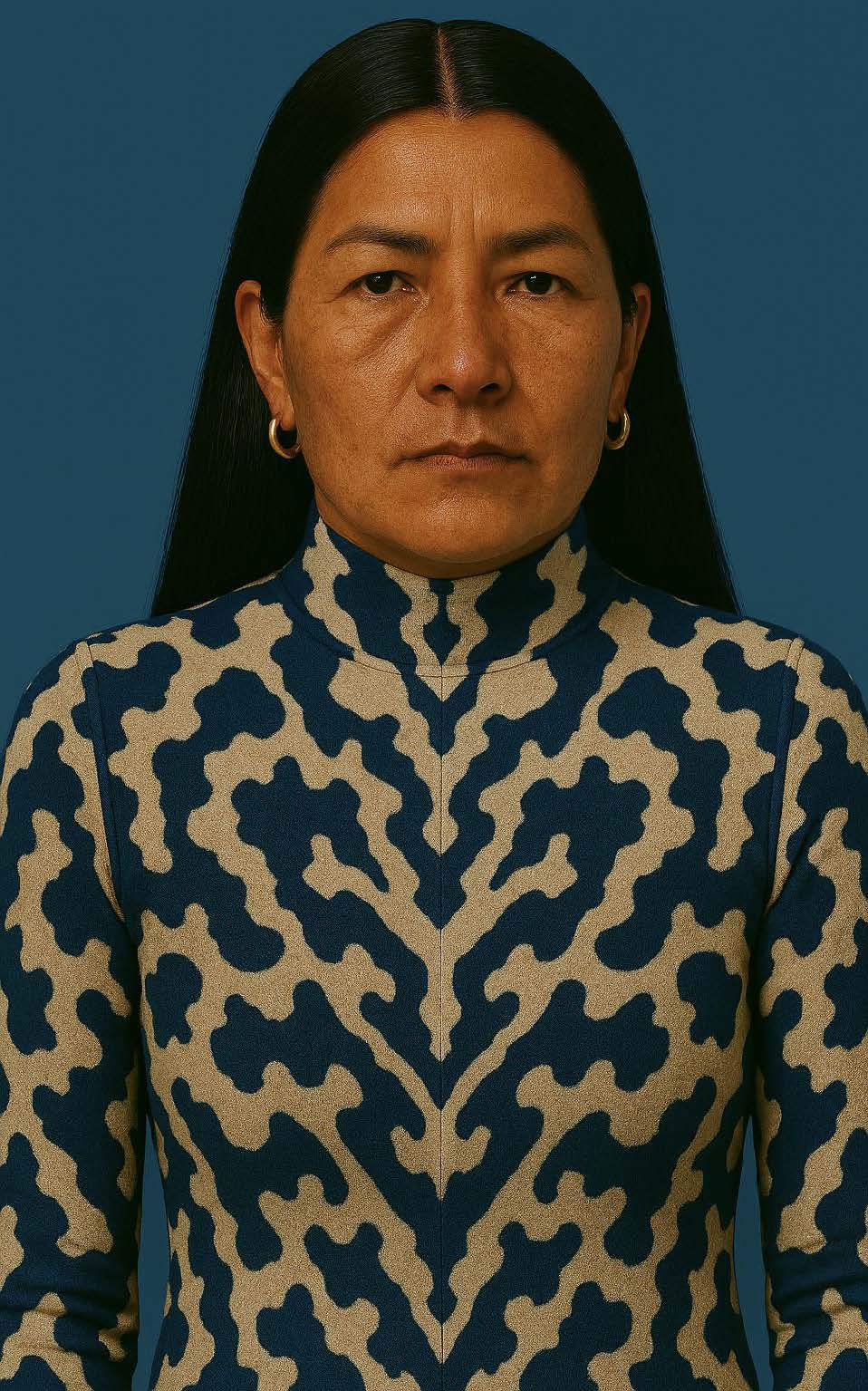
What is actually happening in space design is the opposite of speculation. Habitats are organized around efficiency and survival protocols developed for short-duration missions. Suits are engineered around a historical average of the astronaut body: male, able-bodied, within a narrow size range. Schedules run on Earth time because mission control runs on Earth time. Governance follows sovereignty frameworks that assume territorial ground. The design brief, implicit or explicit, is: reproduce what works on Earth under more extreme constraints.
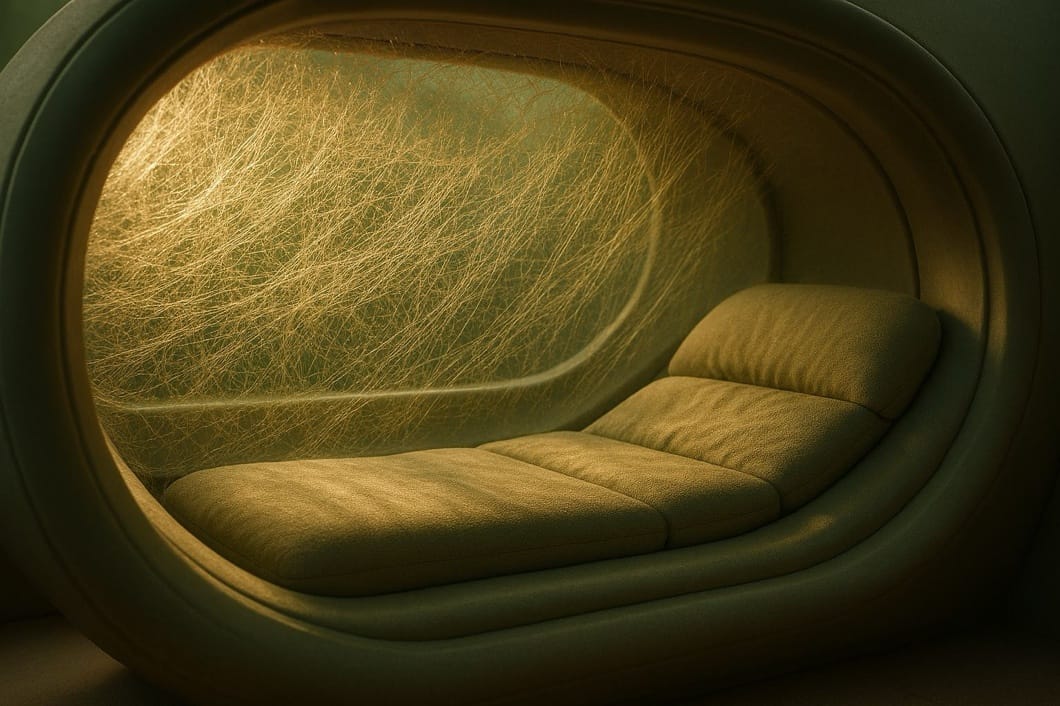
Meanwhile, the questions that space’s actual conditions make possible go largely unasked. How do you organize collective time when there is no sun? How do you design for a body that has lost its gravitational reference? What does belonging mean without territory? What is a home when the environment outside is lethal? They are not in the brief.
The Human Brief
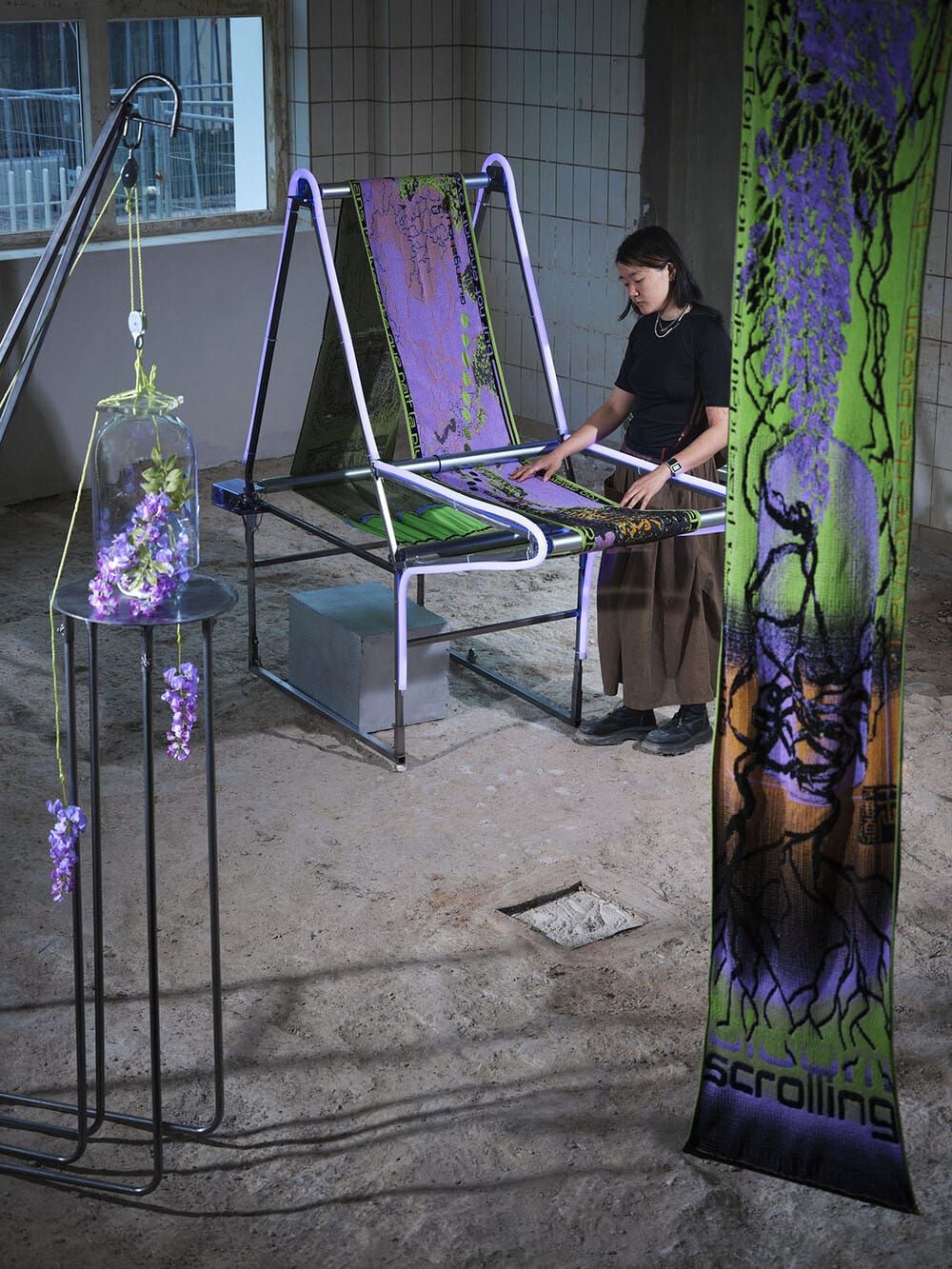
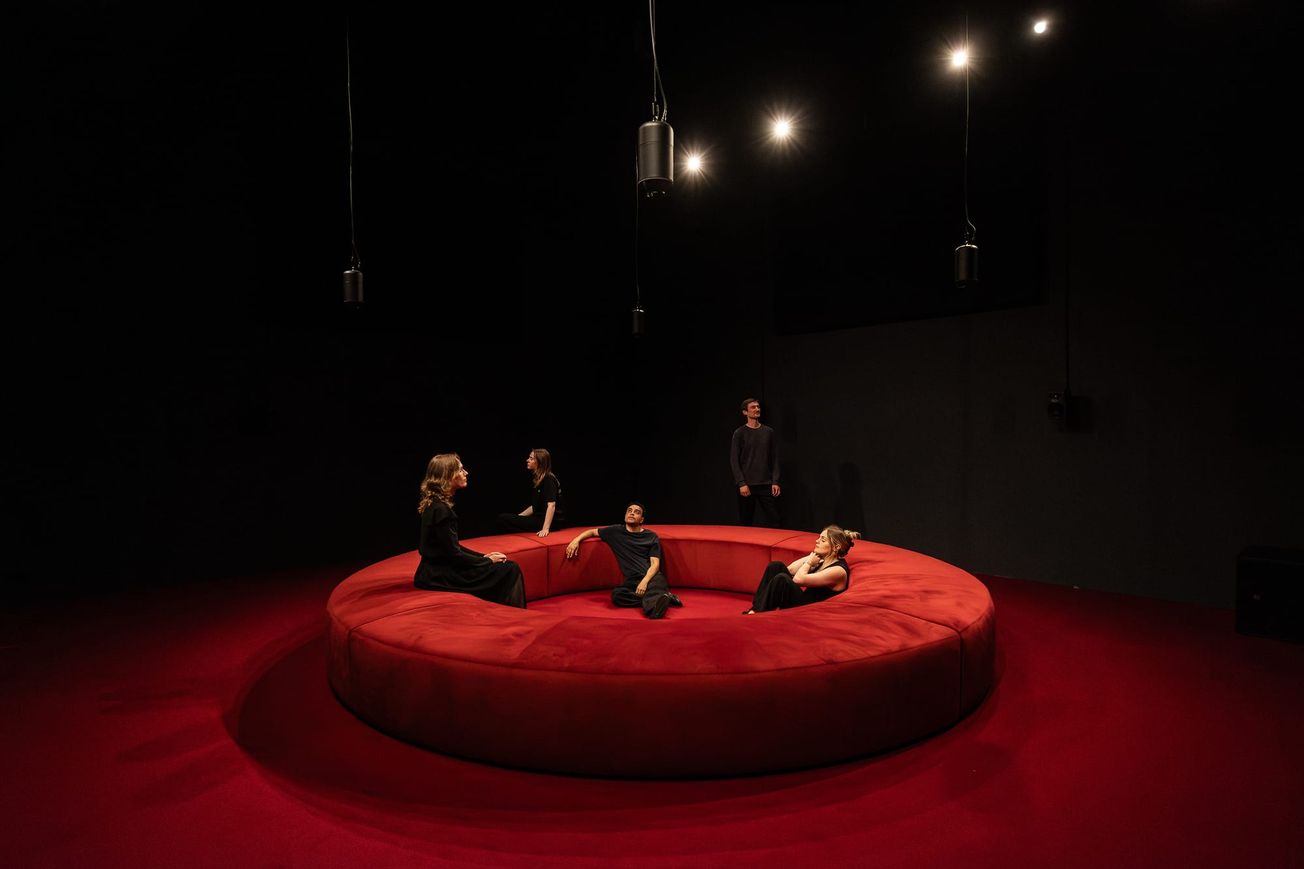
In The Universe Is an Inverted Womb, Daya Ventures and AFRY Engineering attempted a different starting point. Rather than survival, we applied soma design: treating the body’s felt experience as design material. This meant starting not from what a body needs to remain operational, but from what it needs to be human.
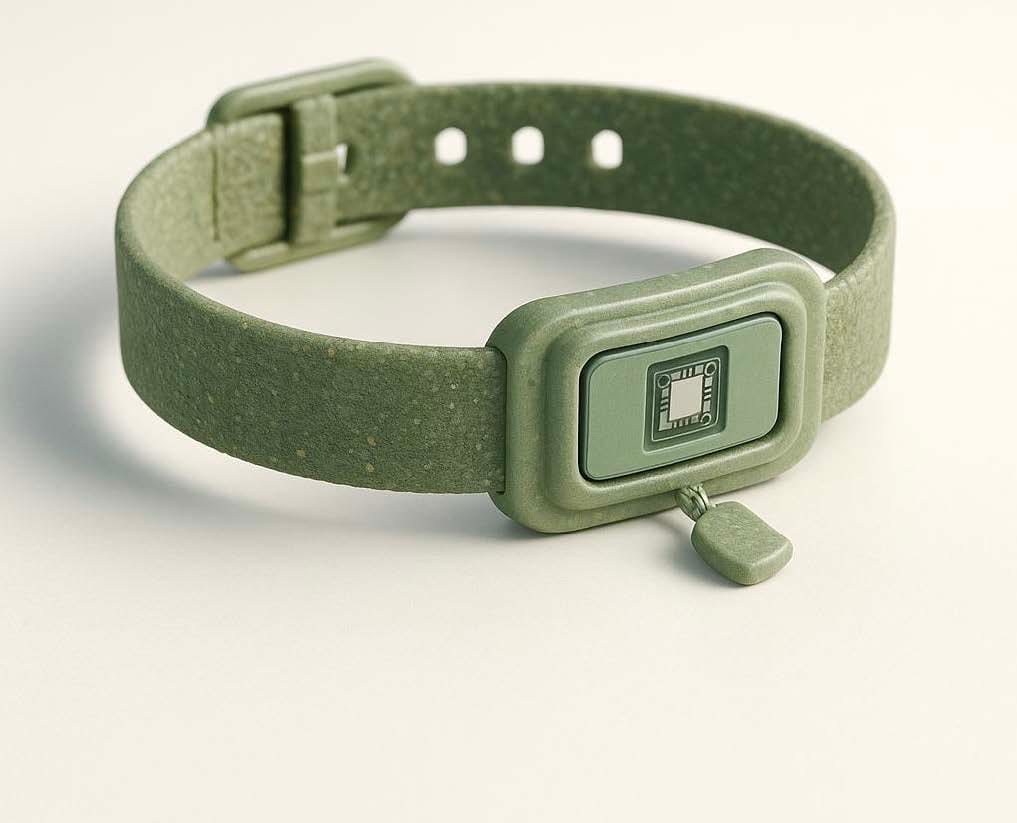
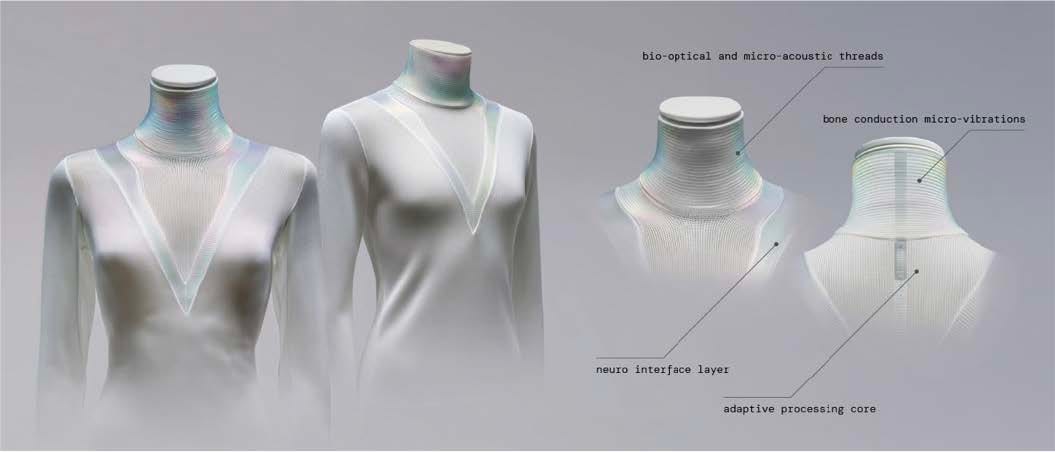
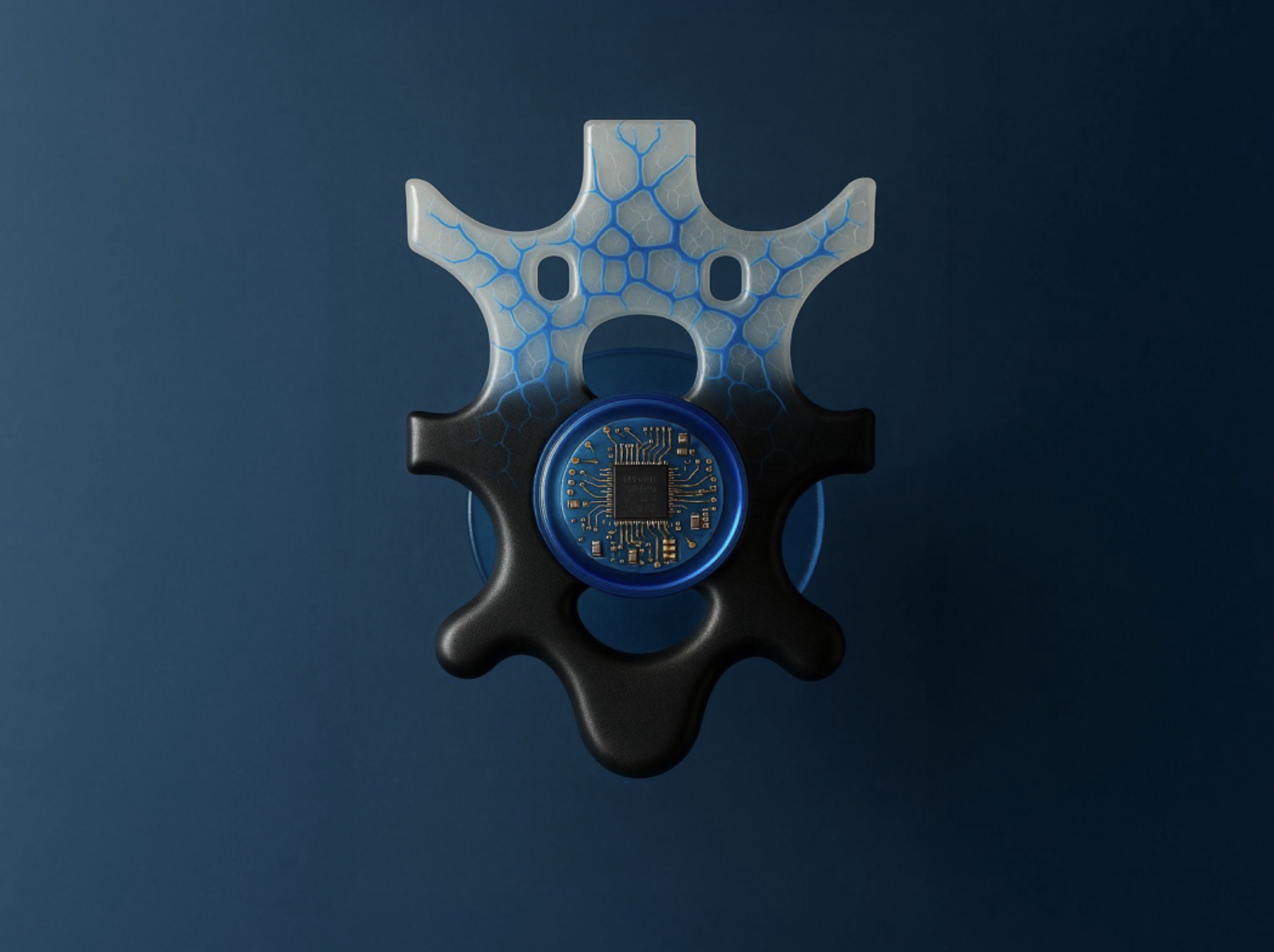
The questions that followed were not engineering questions. What mementos would you bring if you had to leave Earth forever? What is the smell of home? How can we avoid violence if everyone is crucial? How would we coordinate work if time didn’t exist – which, in space, it really doesn’t. How do you carry grief in a closed system with no return? What if clothes could adapt to feelings?
The assumption that those who discover a new environment automatically produce new thinking is precisely the assumption that produced every colonial project in history. The frontier is never blank. It is always a prototype in the making.