You expect a raid. A bot built by the artist duo !Mediengruppe Bitnik buys ecstasy from the dark-web marketplace Agora, and a museum hangs the parcels on the wall. Instead the show runs its full three months. The bot buys in plain sight; the post carries the contraband to the Kunst Halle Sankt Gallen as ordinary mail. The artists warn no one; they let each rule-system run to the letter. The show closes on schedule, and in January 2015 the St. Gallen prosecutor seizes the work. Months later he clears the artists and the bot of every charge, ruling in writing that the public interest justified exhibiting the drugs themselves as art. He returns almost everything (the counterfeit jeans, a scanned Hungarian passport) and destroys only the ten ecstasy pills, not for failing the art-test the ruling had just granted but because the police would not release an object that could be swallowed. Five years later the state's own collection acquires the work. The art-claim is conceded in full, in writing, and the hand falls on the matter regardless. Call it compliance as material: not the parody that mocks the form from outside, nor the refusal that walks away from it, but taking the form itself as the medium, executed with the fidelity it demands, until the form, and not a picture of it, is what stands in the room.
The obvious frame is overidentification, embracing a system's forms so straight-faced that the obscenity it hides rises to the surface. But overidentification speaks in the artist's voice: the excess is the artist's, Laibach over-performing the state until the performance accuses it. Here the accusation is in the regime's own voice. The artist authors only the conditions; under exact compliance the regime authors the position, and that compelled self-description is the work.
Benjamin Buchloh's "Conceptual Art 1962-1969: From the Aesthetic of Administration to the Critique of Institutions" (October 55, 1990) named a related inflection: artists adopting bureaucratic registers. But Buchloh's registers were authored by the artist; this work operates inside externally-authored scripts: state law, platform terms, evidentiary protocol, the public-art contract. Maria Eichhorn's Aktiengesellschaft (Documenta 11, 2002), a self-owning corporation incorporated under German law, is the cleaner hinge. After Eichhorn, the door is open.
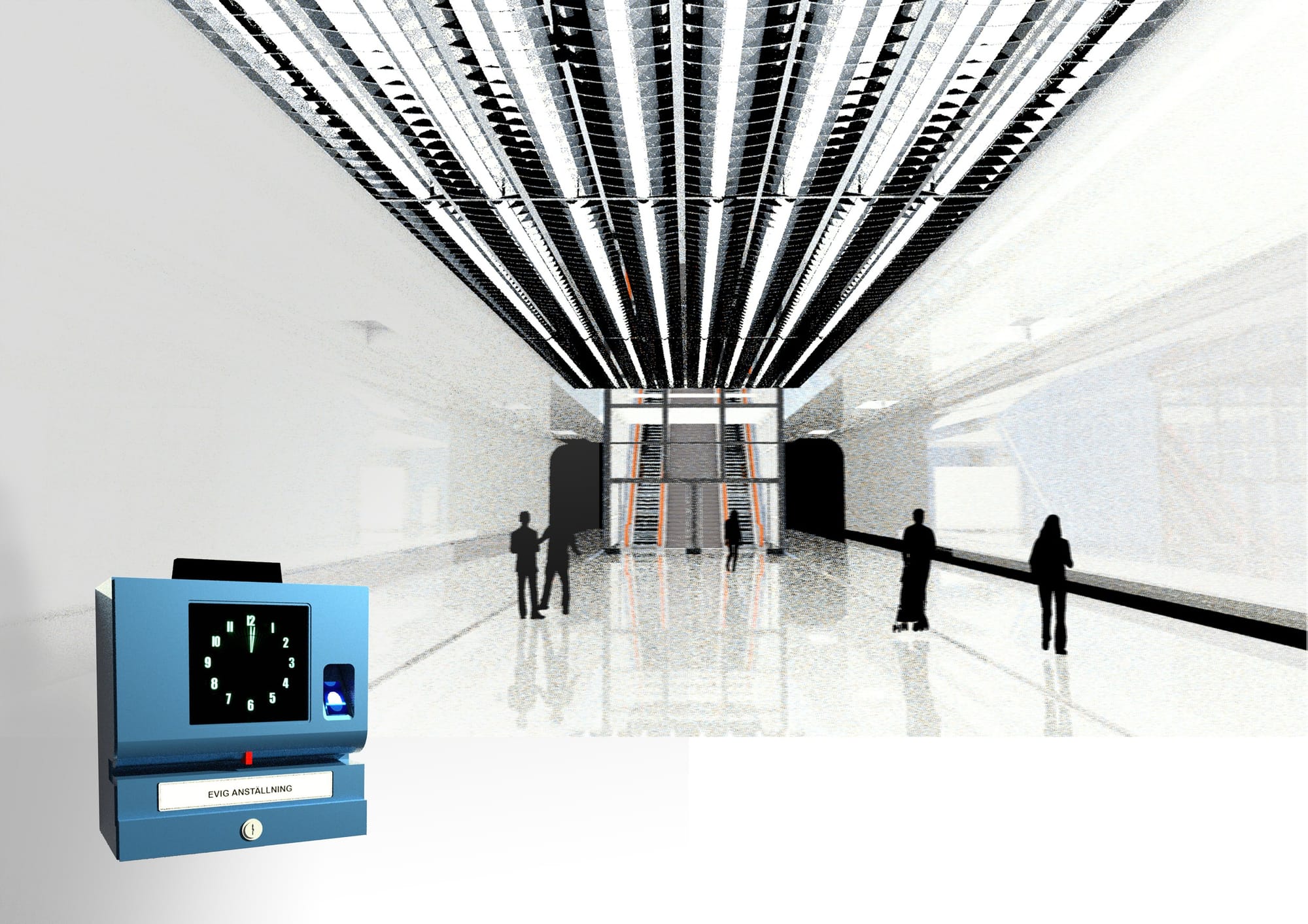
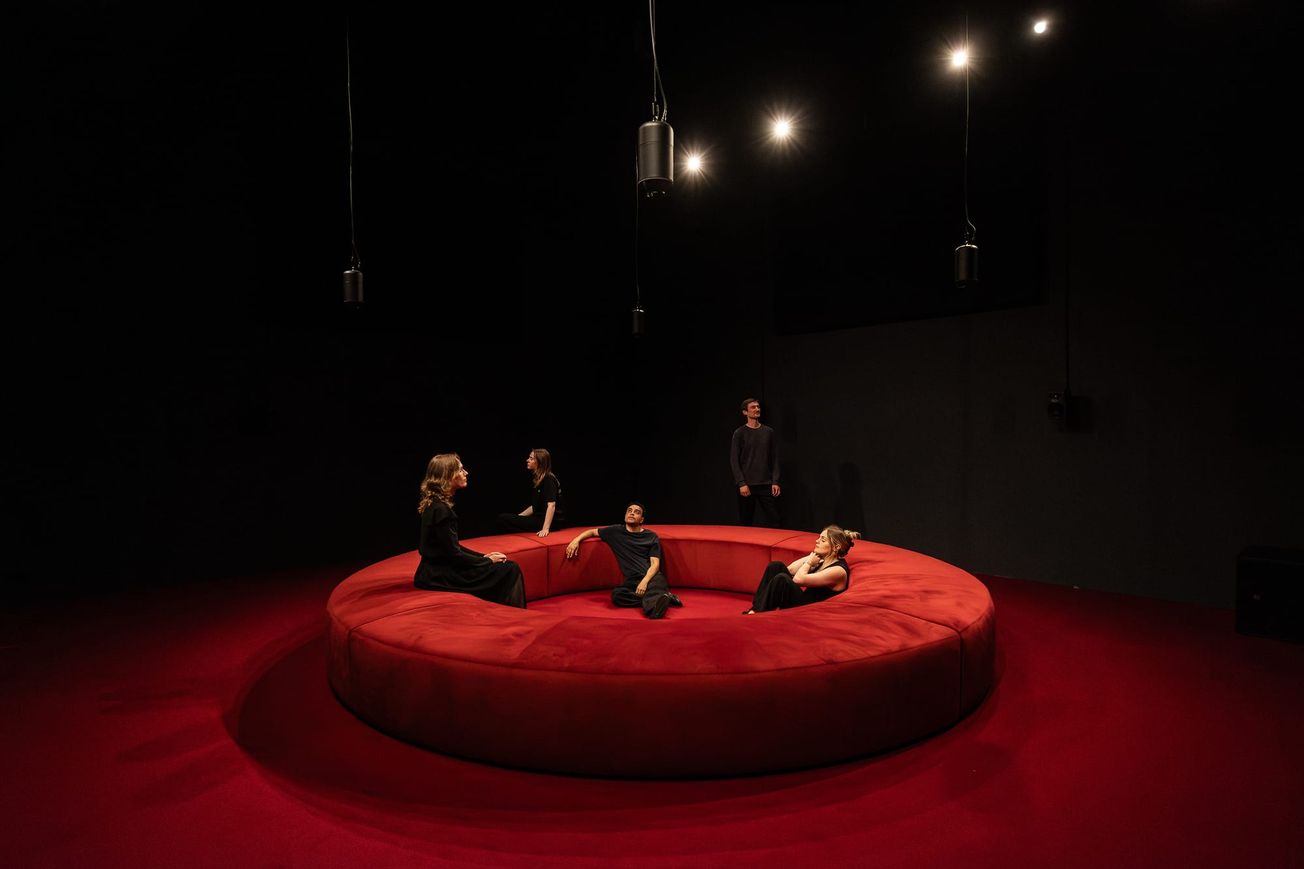
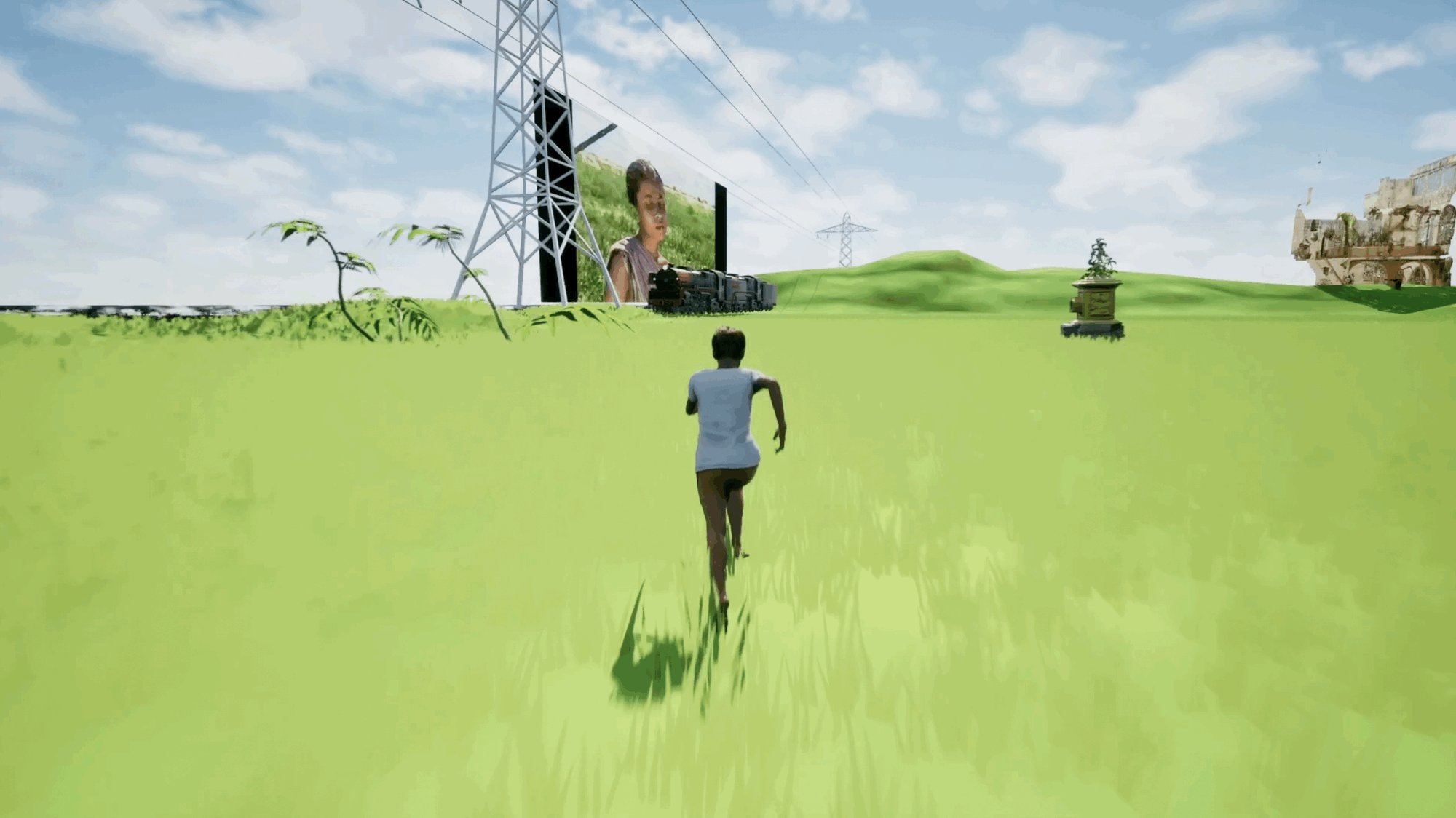
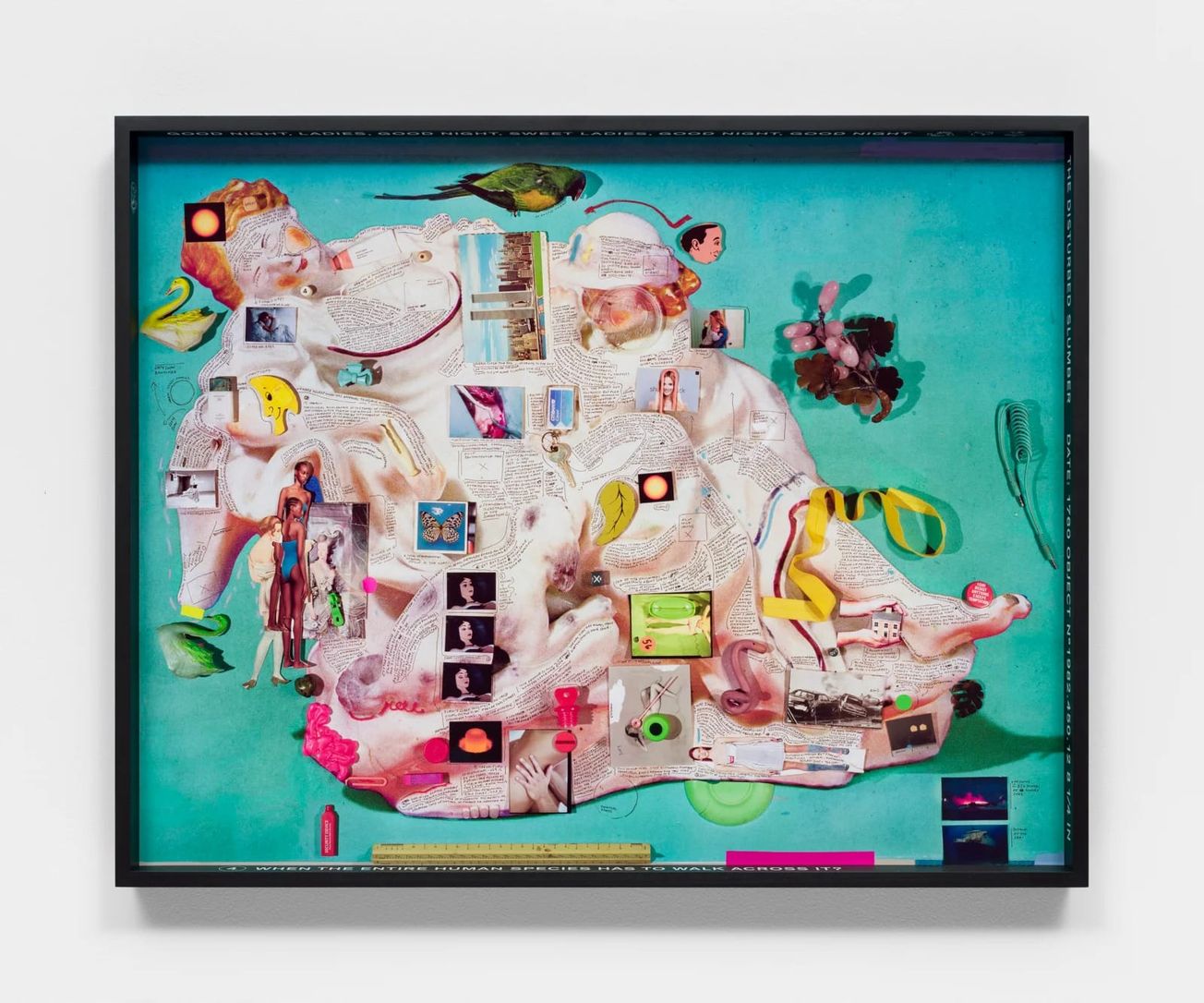
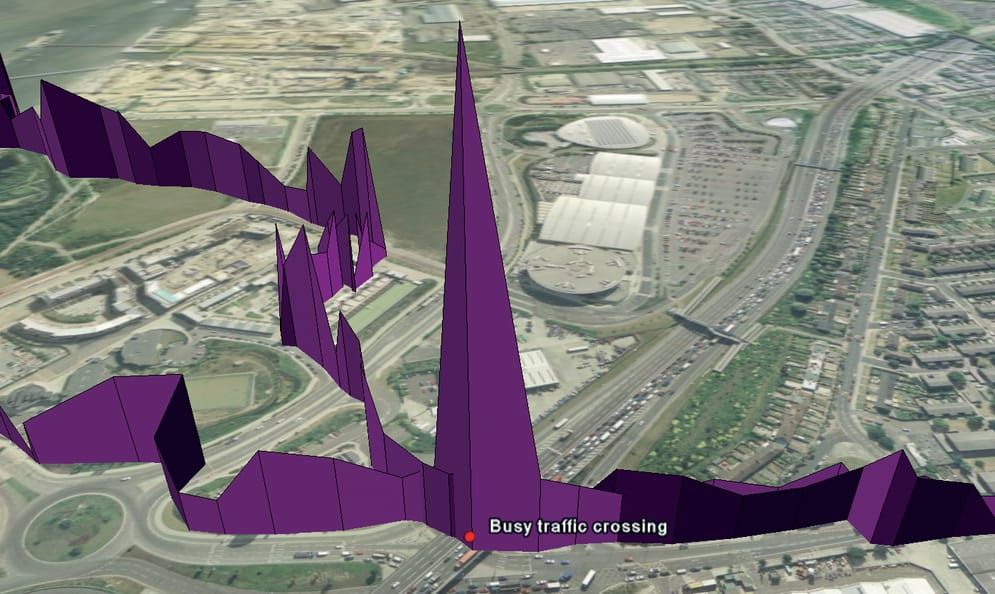
The works are not mine to claim; the pattern between them is what I am naming. Aksioma in Ljubljana has shown many of them across a decade, through Bitnik and Moll, through Tactics & Practice and Are You a Software Update?, without naming what runs between them. They divide on one question: does the piece force the regime to write its own self-description? Where it does, that document is what the show leaves behind. Goldin+Senneby's Eternal Employment (Korsvägen, 2017) is a state-issued contract paying one person to clock in at a Swedish train station for its projected lifetime; in April 2022 the Swedish Transport Administration cancelled the commission it could not finance, and the cancellation, not the contract, is what it produced. Cameron Rowland's 91020000 (Artists Space, 2016) makes the institution open an account with Corcraft, the state's prison-labour supplier, and buy goods made by incarcerated workers; the work's title is that customer number, and what survives is the paperwork. Each, like Bitnik, forces the regime to leave a record in its own hand.
A second mode runs lawfully inside a system to expose it, without compelling any reply. Joana Moll and Tactical Tech's The Dating Brokers (2017) buys a million dating profiles from the broker USDate for 136 euros, a year before GDPR, the last legal window of a market the regulation would close. Tega Brain and Sam Lavigne's Offset runs the voluntary carbon-market grammar to the letter, issuing tradable credits for industrial sabotage booked as temporary carbon storage, the Tyre Extinguishers' deflation of thousands of SUV tyres among them. Constant Dullaart's fake Facebook accounts, named for eighteenth-century Hessian mercenaries, satisfy platform authentication and nothing else. The compliance is total, but here no one is compelled to answer, and though each artist has named some part of what they do, none has set the whole tendency under one heading.
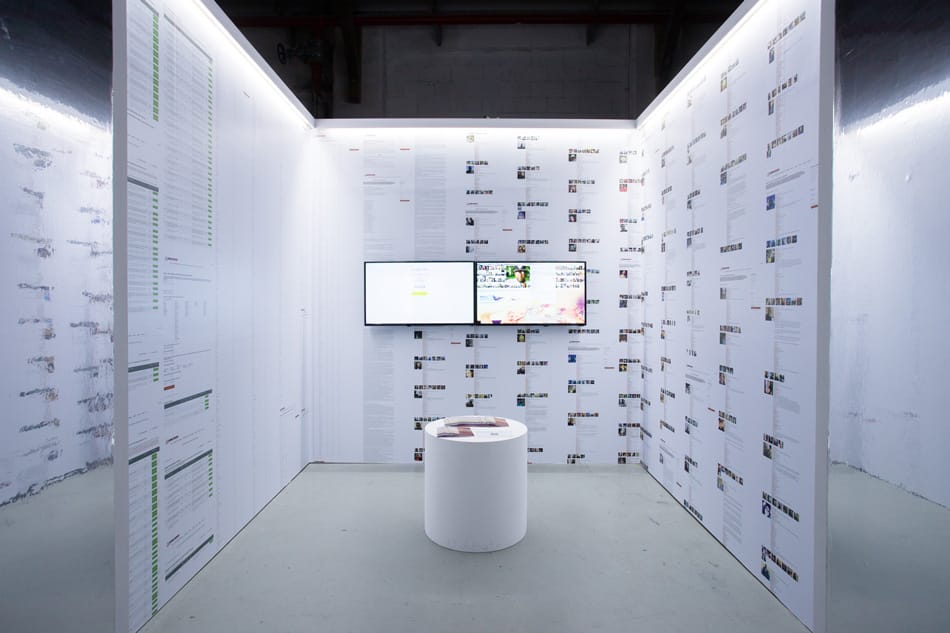
In the first mode, the regime's own document outlives the show, real and so transmissible, the event's own paperwork rather than a depiction. Critics will call this operation, not critique, and so toothless. The sharper objection is the reverse: that faithful compliance flatters the regime, the prosecutor who spares the artists looking liberal for free. But the magnanimity is not free. The letter has to be written, and writing outlasts the occasion, fixing on the record what the regime would rather keep tacit: that it granted the art-claim and fell on the object anyway. And these works depend on institutions willing to host them; that dependence is the subject, not the alibi, since the compelled document marks where the hospitality ends. The grammar that demands to be filled also decides who can fill it and who is shut out before the question of art arises, and the work that masters it exposes the threshold at the door.
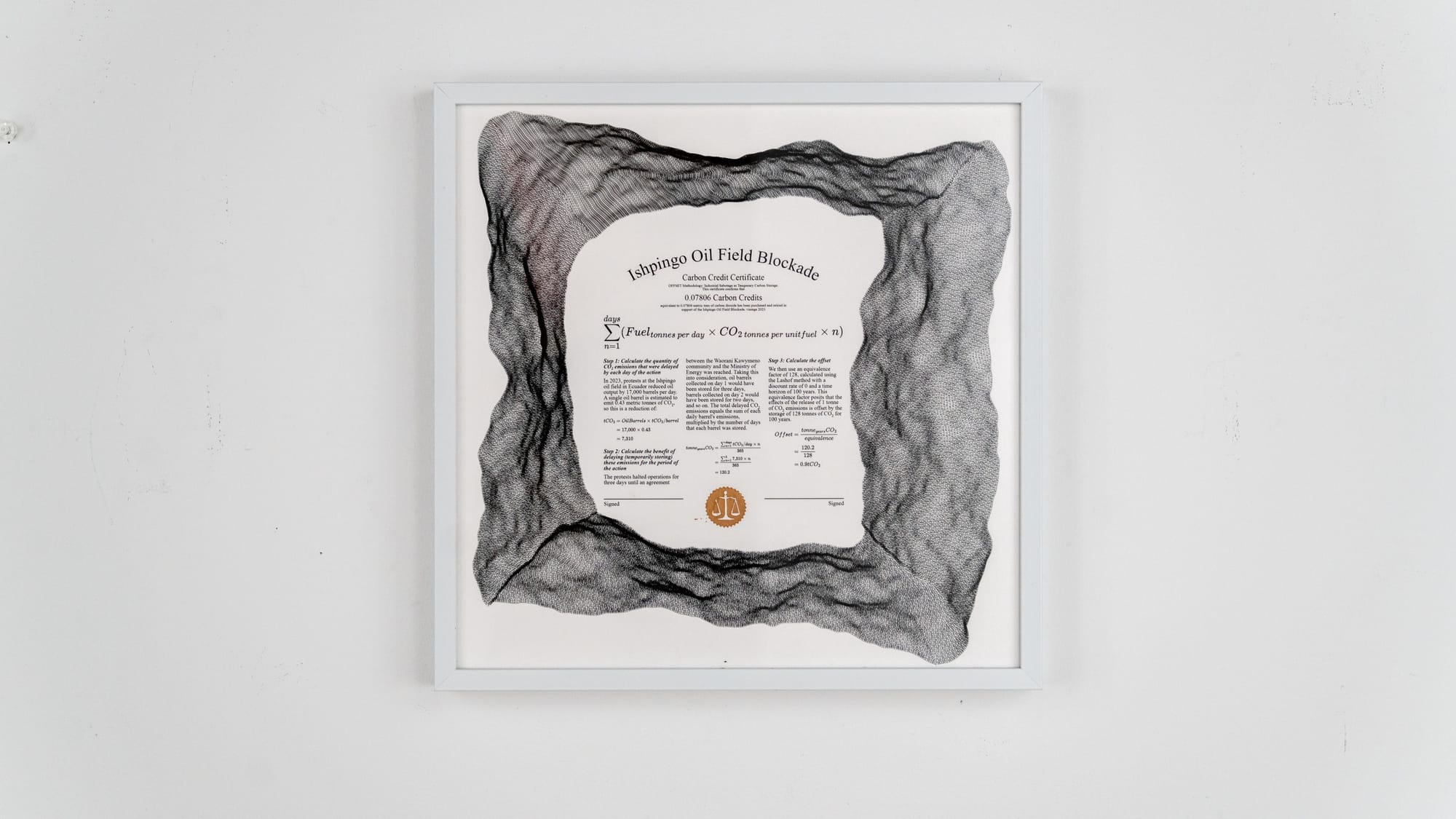
We click Accept many times a day, filling forms we did not write and cannot edit. These artists fill theirs on purpose, to the letter, until the form gives up what it is for. The exhibition already exists, scattered across a decade and held in places like HEK and iMAL; what it has not had is a name to argue over. Compliance as material is one. The bet is not that these artists are stronger than the regimes they enter. It is that they have read the rules more closely, and the sharpest of them have made the regime put it in writing.