In 1978, René Coelho founded MonteVideo in Amsterdam as the first gallery in the Netherlands dedicated to video art. The initiative emerged as portable cameras, electronic image processors, and television monitors were giving artists new ways to produce and distribute moving images outside conventional film and broadcast systems.
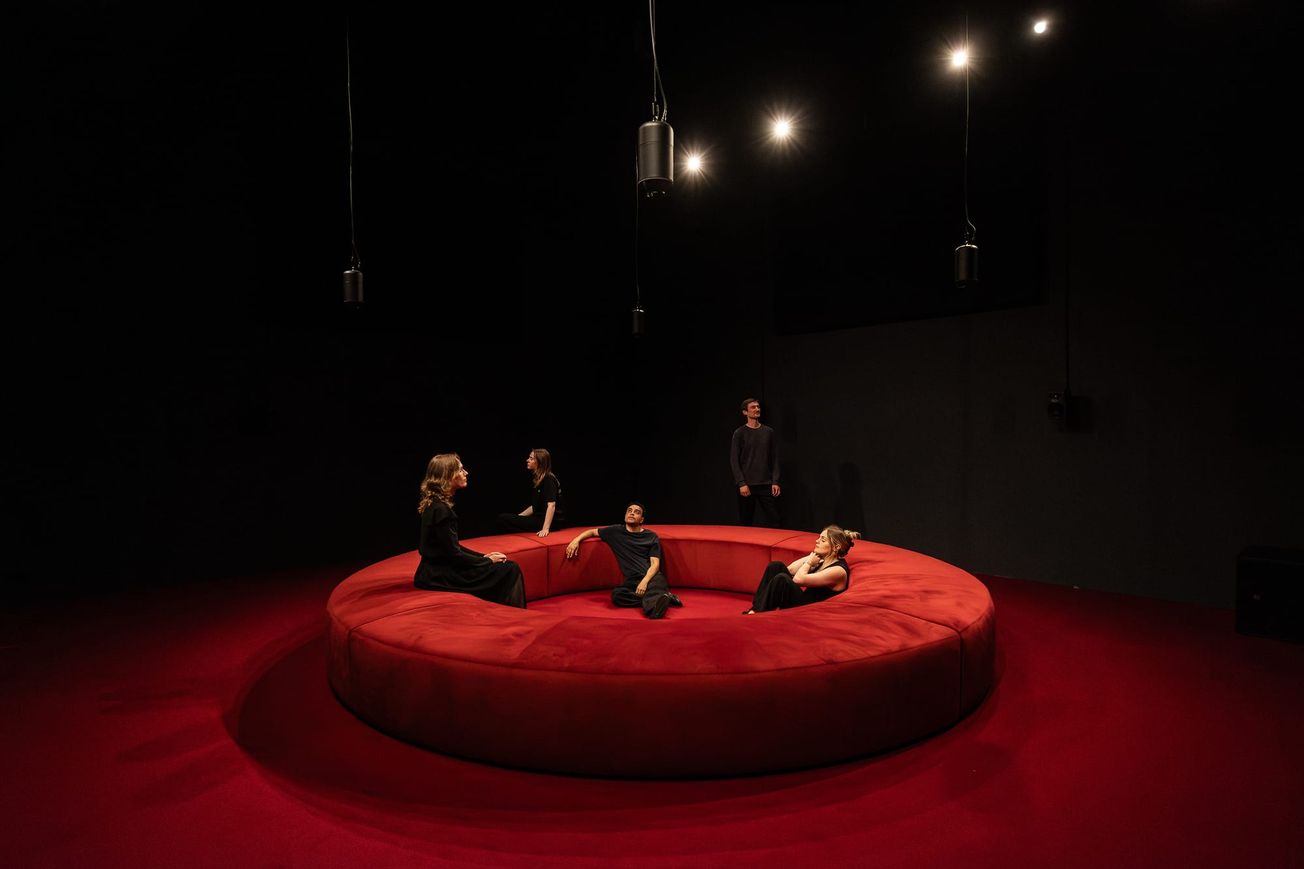
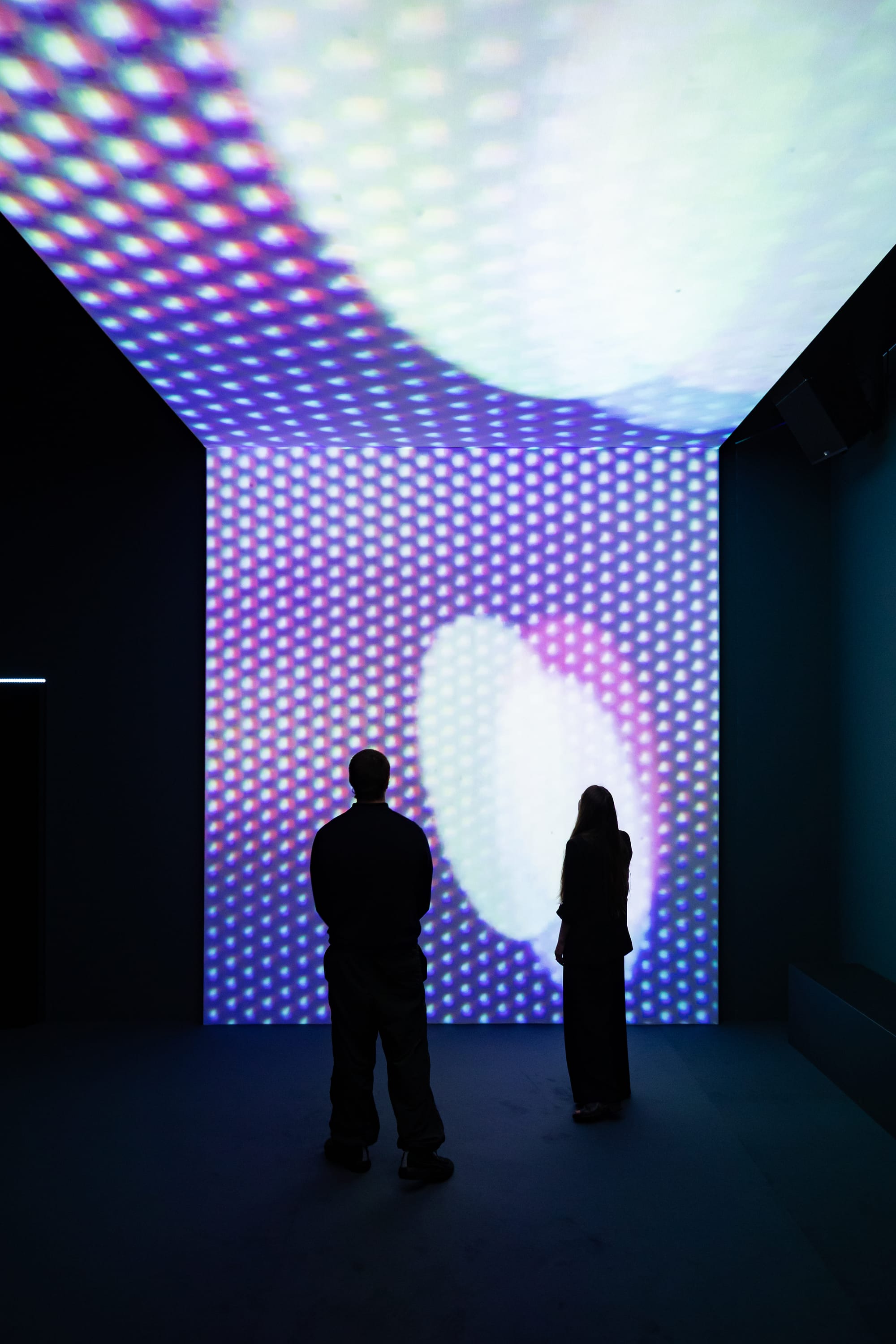
Pioneers of Media Art: The First Years of MonteVideo, an exhibition at Nxt Museum, examines this formative period through artworks and archival material preserved by LI-MA. Presented across ten spaces, the exhibition connects early experiments in video, animation, light, and electronic sound with contemporary audiovisual installations.
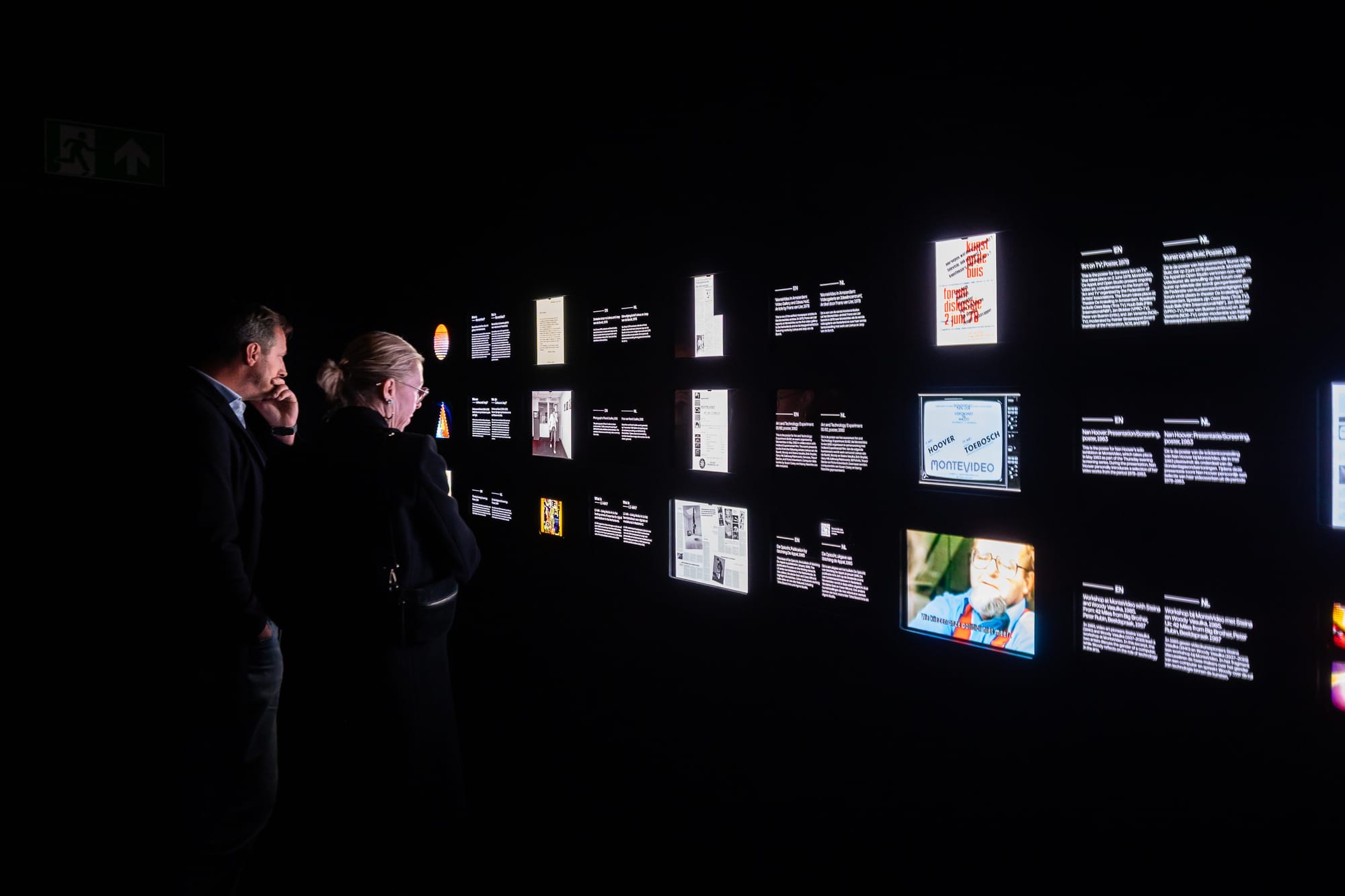
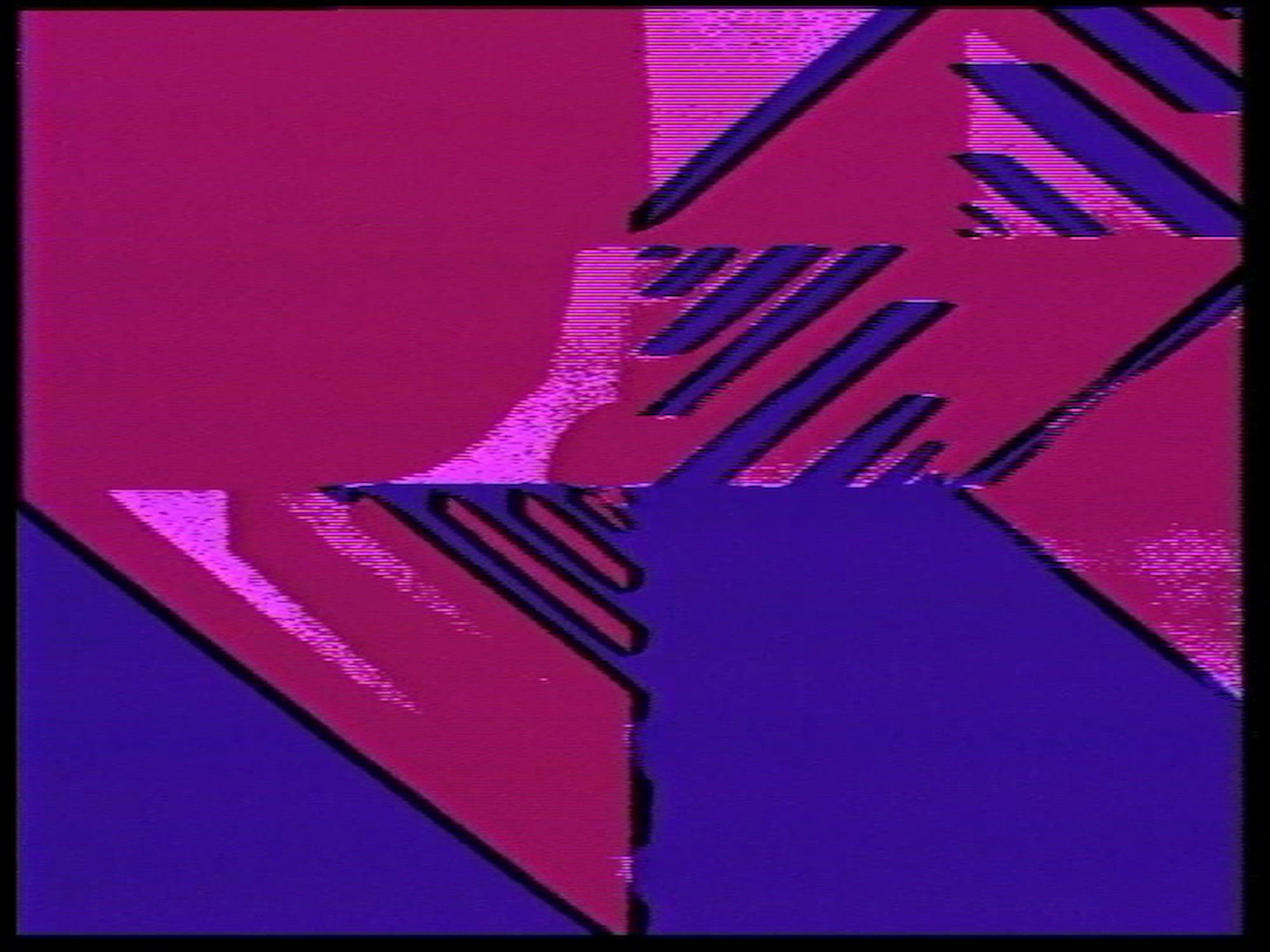
Developed in collaboration with LI-MA, the exhibition opened to the public on June 12 and remains on view through September 10, 2026. Central to the presentation is the work of Livinus van de Bundt and his son Jeep van de Bundt. Livinus’s experiments with electronic images directly influenced Coelho’s decision to establish MonteVideo. The gallery opened with an exhibition centered on his work, including Moiré, his collaboration with Jeep.
Building an Infrastructure for Video Art
MonteVideo operated as more than an exhibition venue. It provided artists with access to production equipment, collected and distributed artworks, and helped establish video as an independent artistic form. These functions were particularly important because video art depended on technologies that were expensive, technically specialized, and rarely supported by conventional galleries.
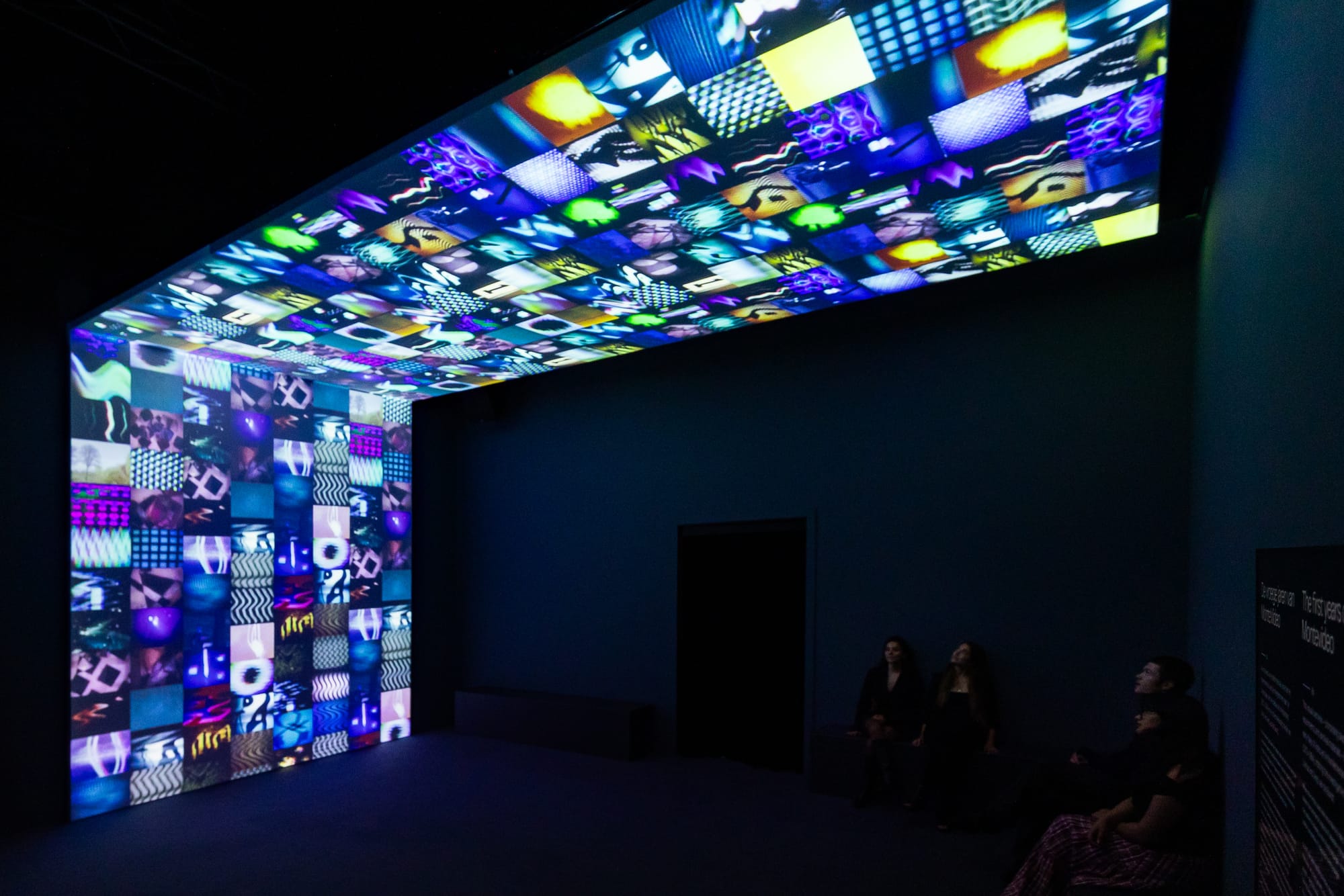
The institution’s early program included artists working with television, electronic image processing, performance, sound, and image manipulation. The Nxt Museum exhibition presents works by Nam June Paik, Nan Hoover, SERVAAS, Tom Klinkowstein, and Trevor Batten alongside those of Livinus and Jeep van de Bundt. Together, their works examine television, electronic image processing, performance, transmission, and the relationship between sound and moving images.
MonteVideo’s institutional development also helps explain why much of this material remains accessible. In 1993, MonteVideo merged with Time Based Arts. The organization later became the Netherlands Media Art Institute, or NIMk. After NIMk ceased operating at the end of 2012 following funding cuts, LI-MA was established in 2013 to continue work in media-art distribution, preservation, research, and presentation. LI-MA’s collection now incorporates material from MonteVideo, Time Based Arts, NIMk, and other Dutch media-art organizations.
Generating Images with Sound
Livinus and Jeep van de Bundt’s Moiré (1975) provides a technical and conceptual anchor for the exhibition. Livinus, originally trained as a painter and graphic artist, began experimenting with video around 1970. Jeep, a musician and percussionist, contributed electronic compositions and explored methods for connecting sound directly to visual output.
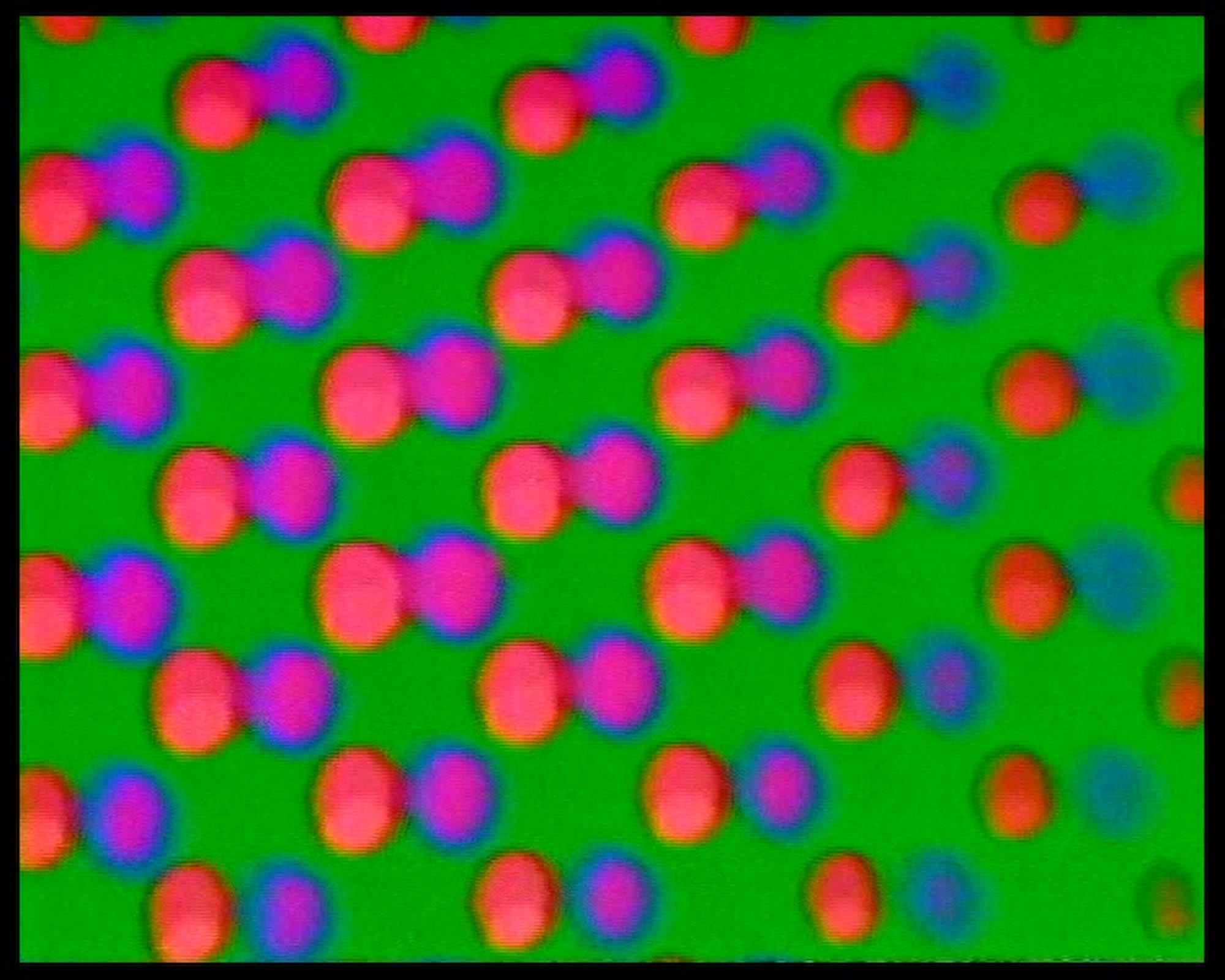
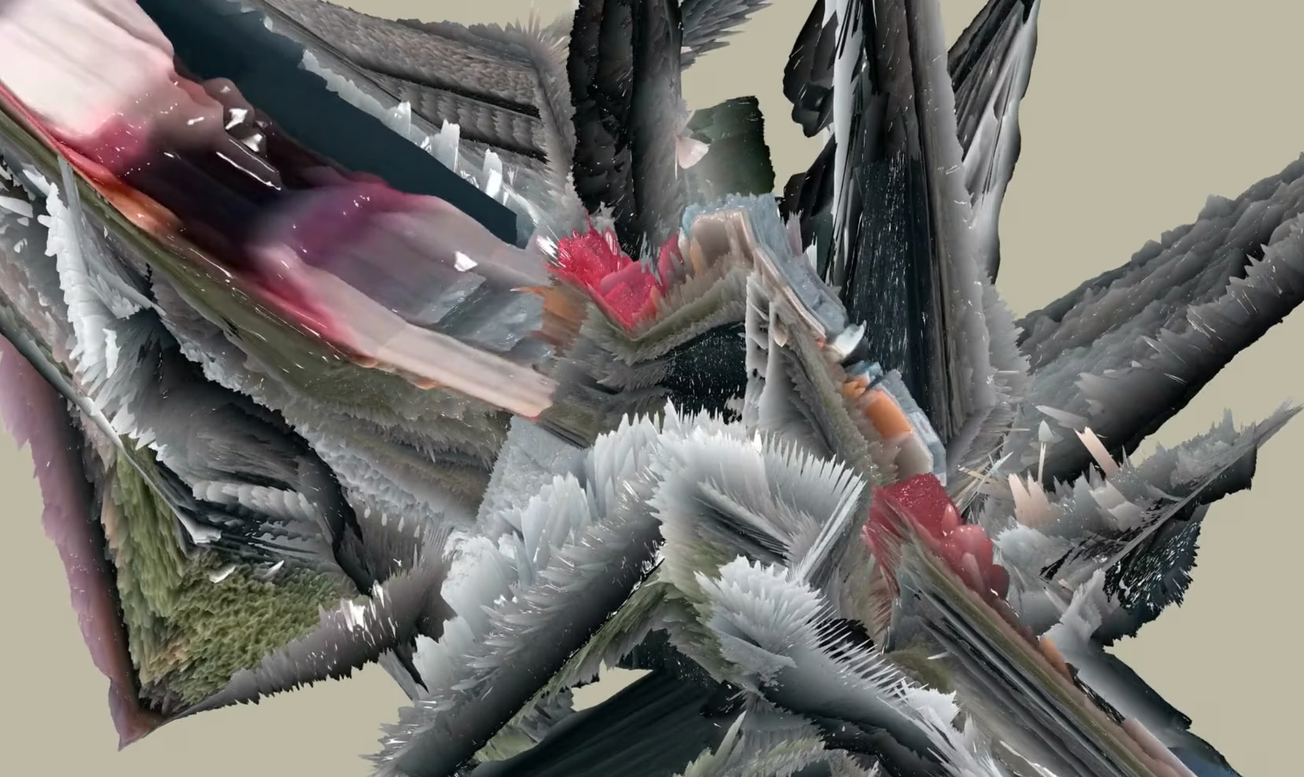
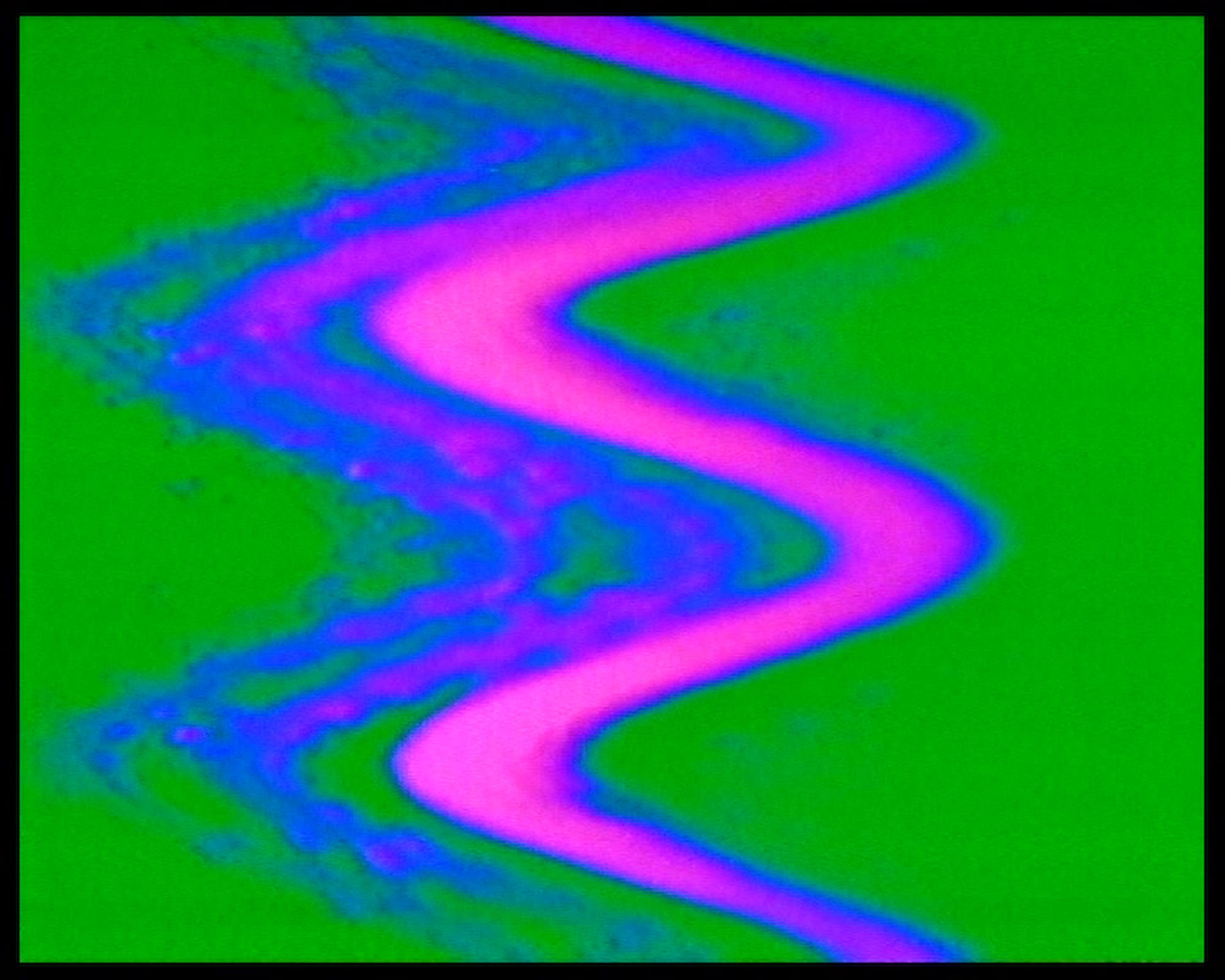
In Moiré, electronic audio signals generate and distort abstract forms on screen. The artists used a Pong console, a tone generator, manipulated television circuitry, photographic slides, and a self-built image-processing system called the Lumodinamiese Masjiene, or lumodynamic machine. They altered the convergence of a television’s red, green, and blue channels to produce displaced colors. Other sections were created by photographing images from a monitor and filming the resulting slides frame by frame on 16mm film.
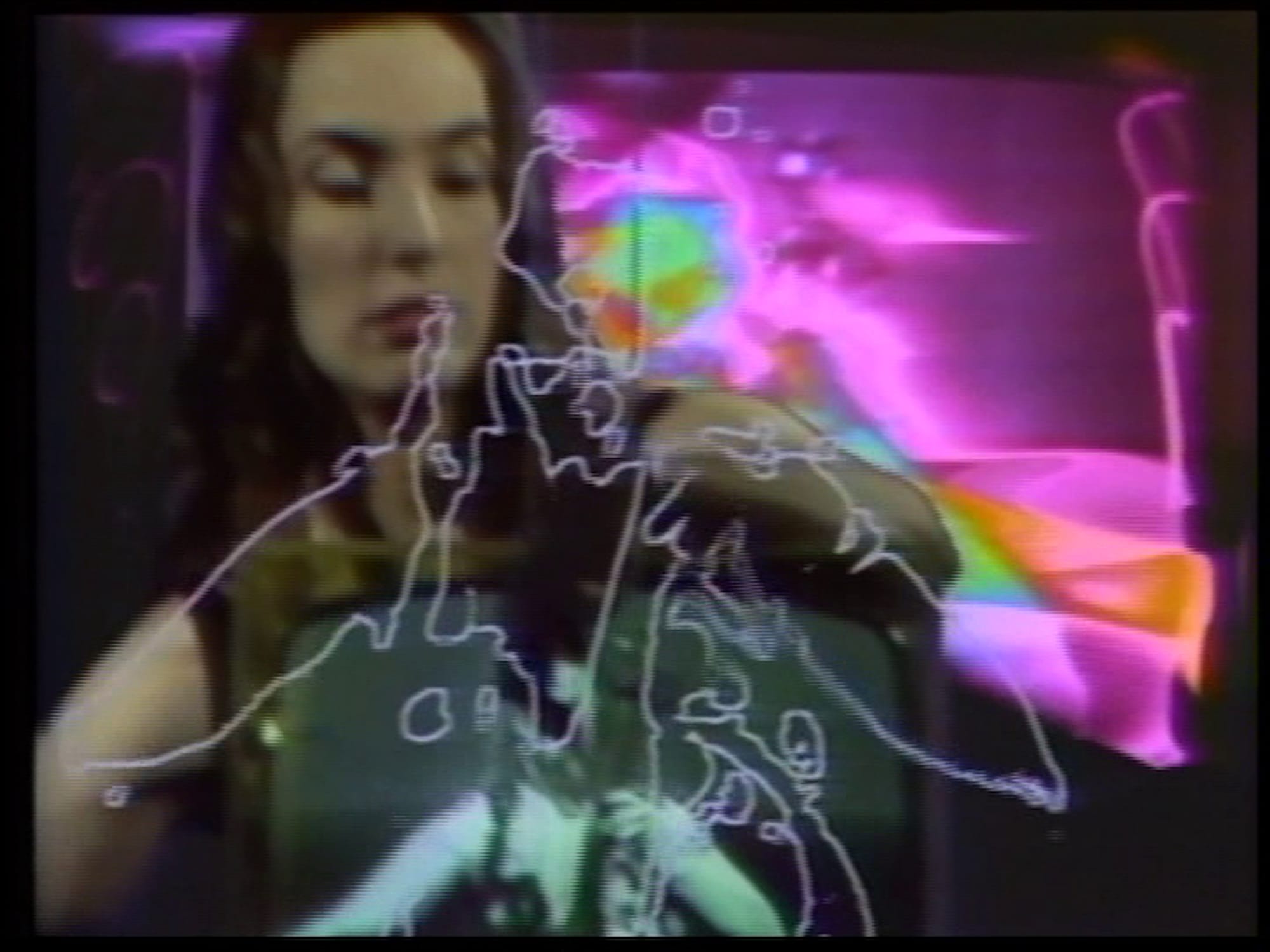
The six-minute work connects sound and image through a shared electronic process. Rhythm does not merely accompany the visuals; it contributes to their movement and structure. Although completed in 1975, Moiré premiered on February 25, 1978, as part of MonteVideo’s opening exhibition.
For the Nxt presentation, LI-MA worked with Archival Consciousness to digitize a selection of Livinus van de Bundt’s experimental video works. The process addresses a recurring problem in media-art conservation: preserving an artwork may require transferring it between formats while retaining the visual, sonic, and temporal properties produced by its original equipment.
From Analog Circuits to Spatial Media
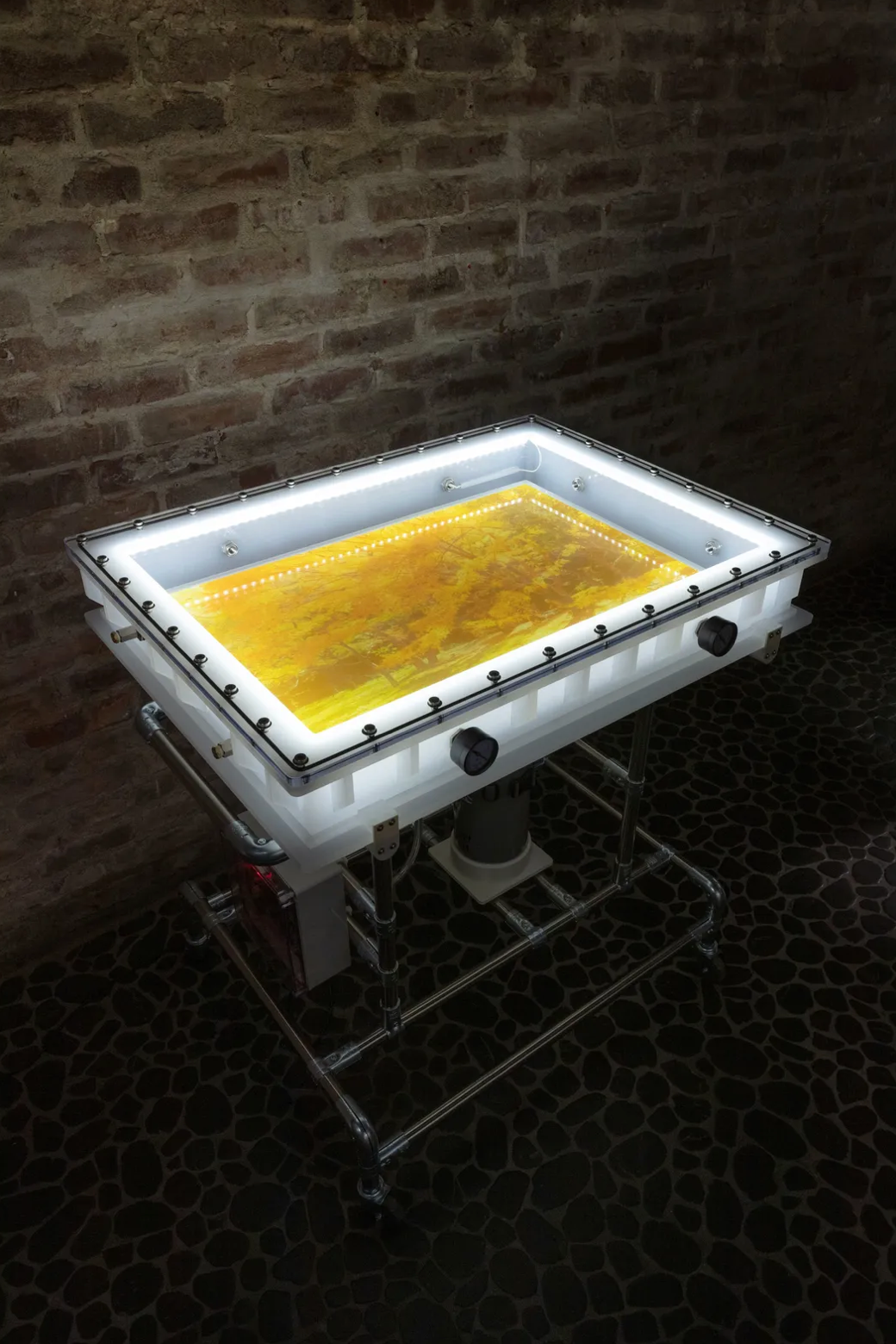
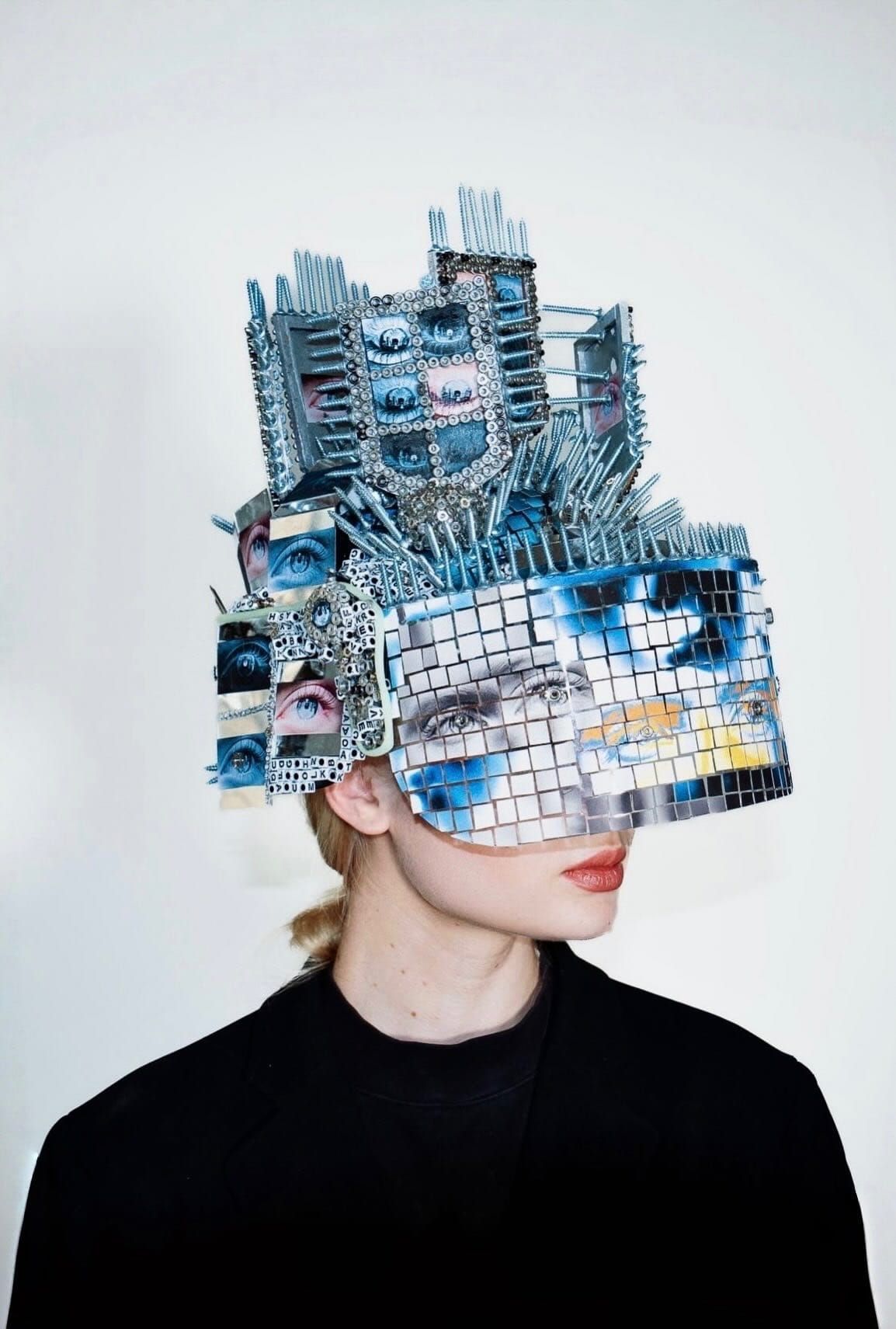
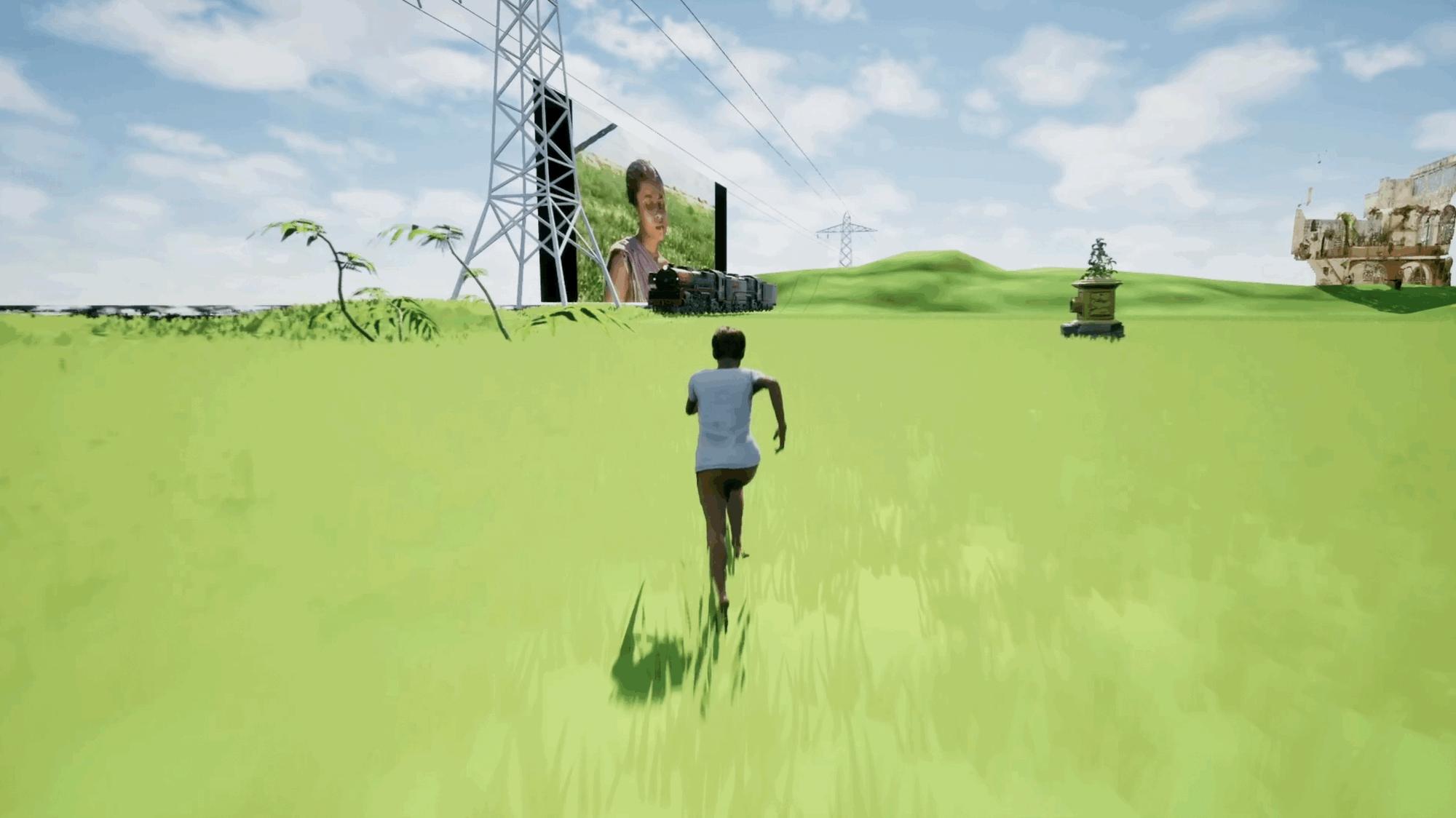
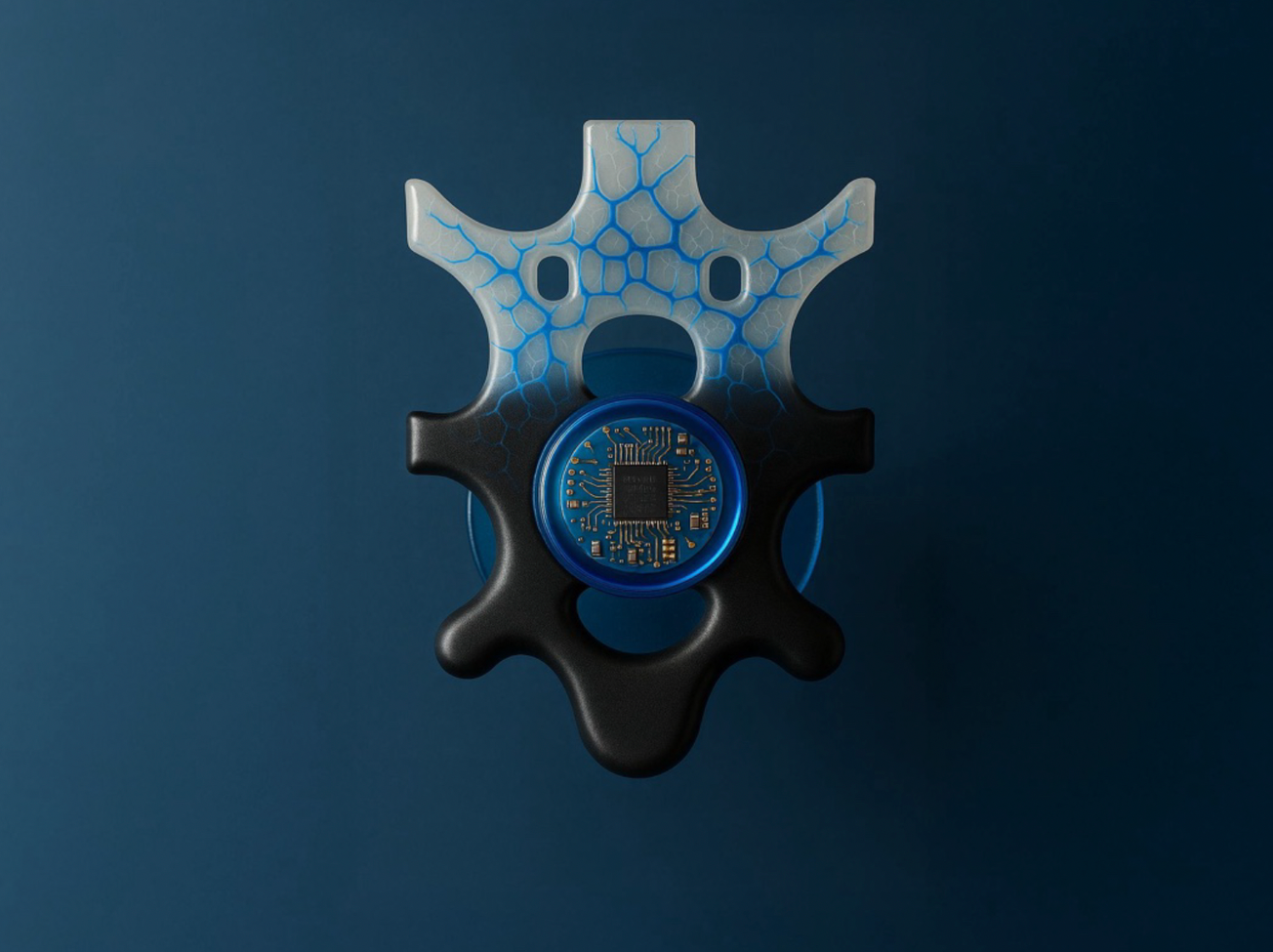
The historical works appear alongside contemporary installations by 4DSOUND, Balfua, Boris Acket, Children of the Light, Lumus Instruments, and YONK. These projects employ spatial sound, synchronized lighting, kinetic systems, and digital imaging. Their inclusion extends questions already present in MonteVideo’s early program: how technologies structure perception, how signals become artistic material, and what happens when an artwork’s technical platform becomes obsolete.
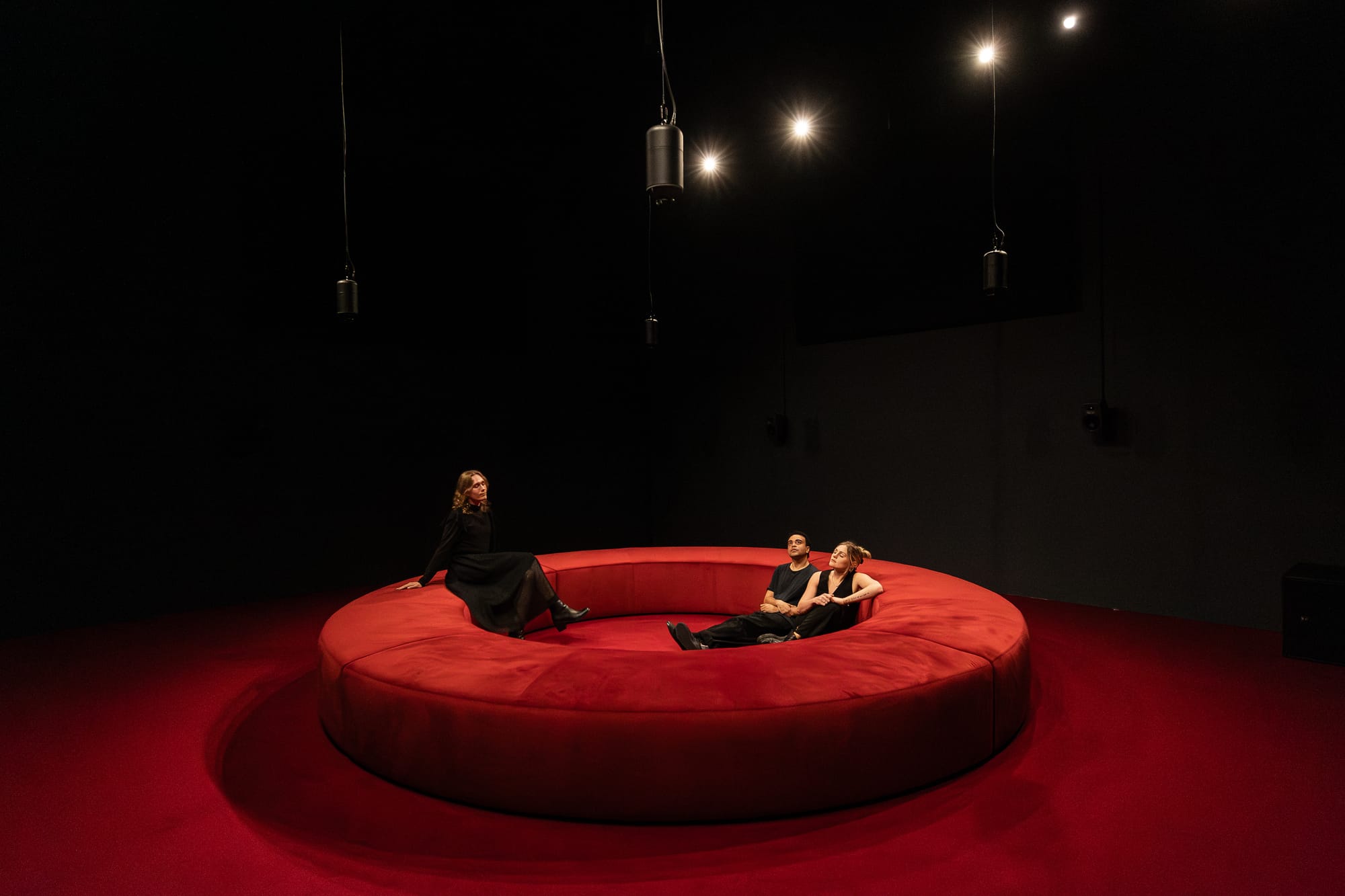
Pioneers of Media Art presents MonteVideo’s history as part of a longer technological and institutional development. Its subject is not simply the adoption of video as a new artistic tool. It examines the network of artists, equipment, galleries, distributors, archives, and preservation specialists required to support an emerging medium and make its history accessible decades later.