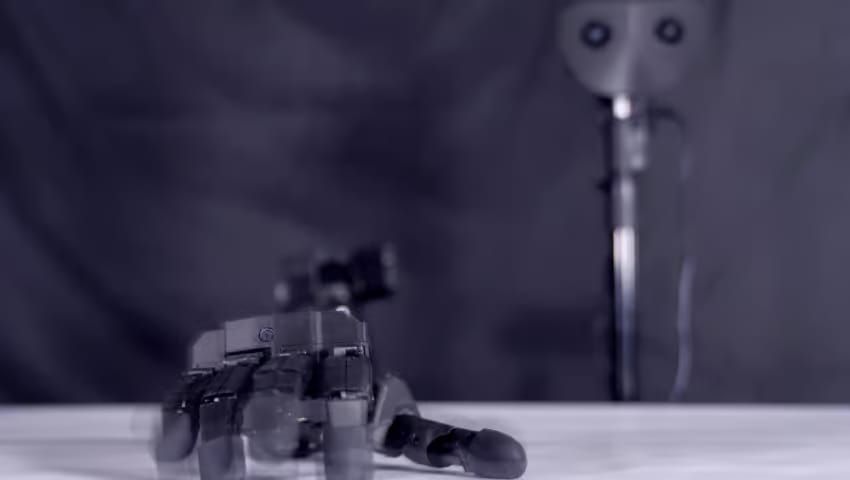
SIGGRAPH 2026 will place a strong focus on robotics, highlighting how techniques developed within computer graphics are increasingly being applied to the design, simulation, and operation of intelligent machines. The conference will take place July 19–23 at the Los Angeles Convention Center, bringing together researchers working across computer graphics, interactive techniques, robotics, and simulation.
Rather than presenting robotics as a standalone topic, the conference integrates it across multiple program areas, including Technical Papers, Emerging Technologies, Courses, Frontiers, Spatial Storytelling, Art Papers, Talks, and Technical Workshops. This reflects the growing overlap between computer graphics research and robotics, particularly in simulation, perception, and human-machine interaction.
Several sessions focus on simulation-first robotics development, where virtual environments are used to design, train, and evaluate robotic systems before physical deployment. High-fidelity rendering, physics-based simulation, and digital twins—technologies long associated with animation, visual effects, and video games—are increasingly supporting robotic perception, motion planning, and interaction in complex environments.
The program also features research on robot fabrication, movement, and control. Technical presentations include methods for converting static 3D assets into articulated robotic models, transferring human motion to humanoid and quadruped robots, and jointly optimizing robot body design alongside control systems. Emerging Technologies demonstrations further examine robotics in conjunction with haptics, sensing, computer vision, and immersive interfaces.
Rather than signaling a new research direction, this year's robotics programming illustrates how computer graphics and robotics have become increasingly interconnected. Tools originally developed to create digital characters and simulated environments are now being adapted for robotics research, digital fabrication, and physical human-machine interaction. As robotics continues to rely on increasingly sophisticated virtual testing environments, SIGGRAPH remains a venue where advances in graphics research increasingly influence the development of intelligent physical systems.