The 2026 S+T+ARTS Prize, awarded annually by the European Commission and presented through Ars Electronica, has recognized two projects that examine technology not as a collection of devices or interfaces, but as a set of interconnected social, ecological, and political systems. This year's Grand Prizes were awarded to Hito Steyerl's Mechanical Kurds in the category of Artistic Exploration and Agnes Meyer-Brandis' Office for Tree Migration (OTM) in the category of Innovative Collaboration.
Established to support collaborations between science, technology, and the arts, the S+T+ARTS Prize has become one of the most closely watched indicators of emerging directions in artistic research. The 2026 recipients draw attention to the infrastructures that underpin contemporary technologies—from the hidden labor that trains machine learning systems to the ecological transformations reshaping life on a warming planet.
Steyerl's Mechanical Kurds investigates the often-invisible human labor embedded within artificial intelligence. The title references the eighteenth-century "Mechanical Turk," a chess-playing automaton that concealed a human operator, as well as Amazon Mechanical Turk, the crowdsourcing platform used to distribute digital microtasks to workers around the world.
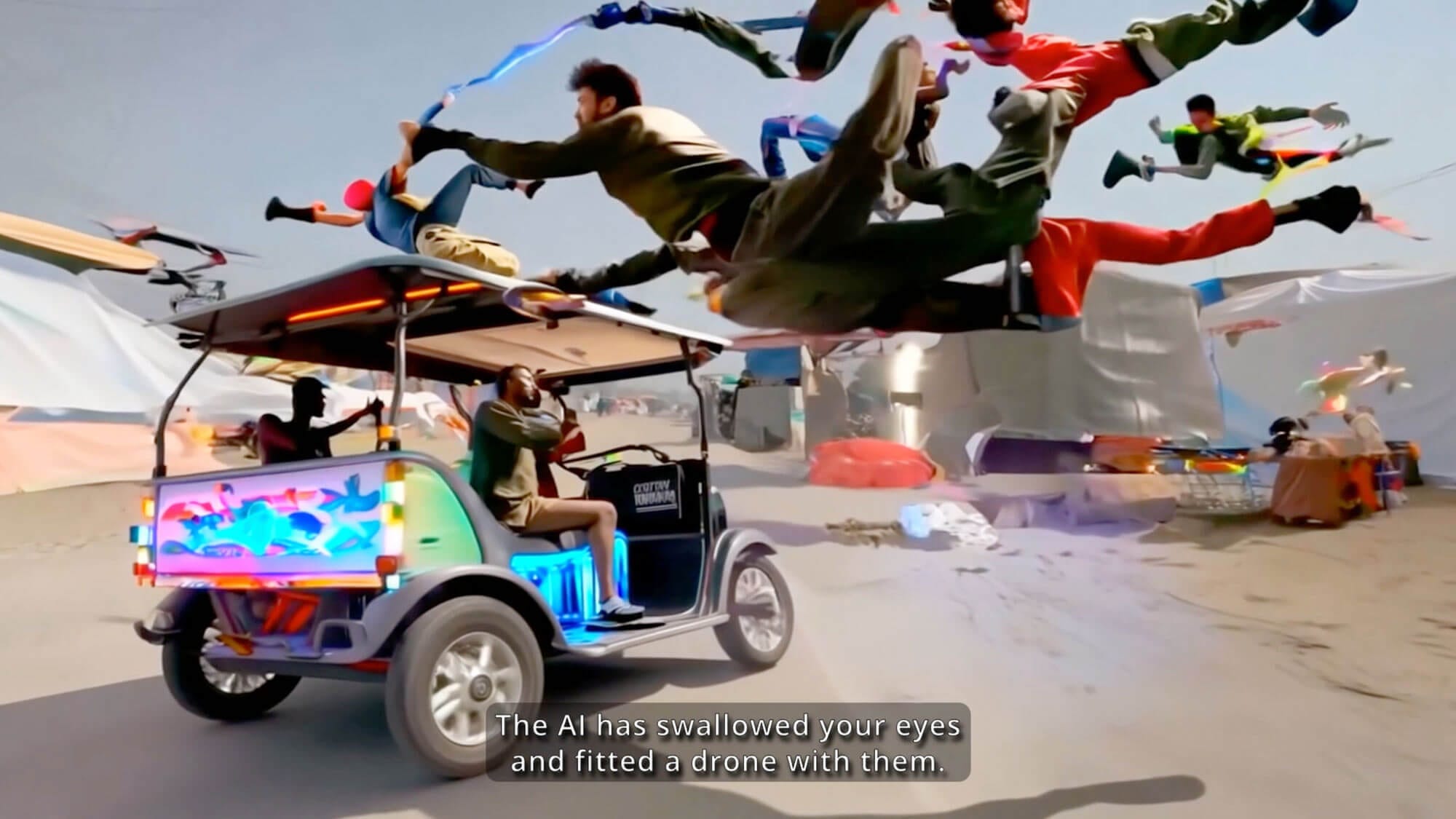
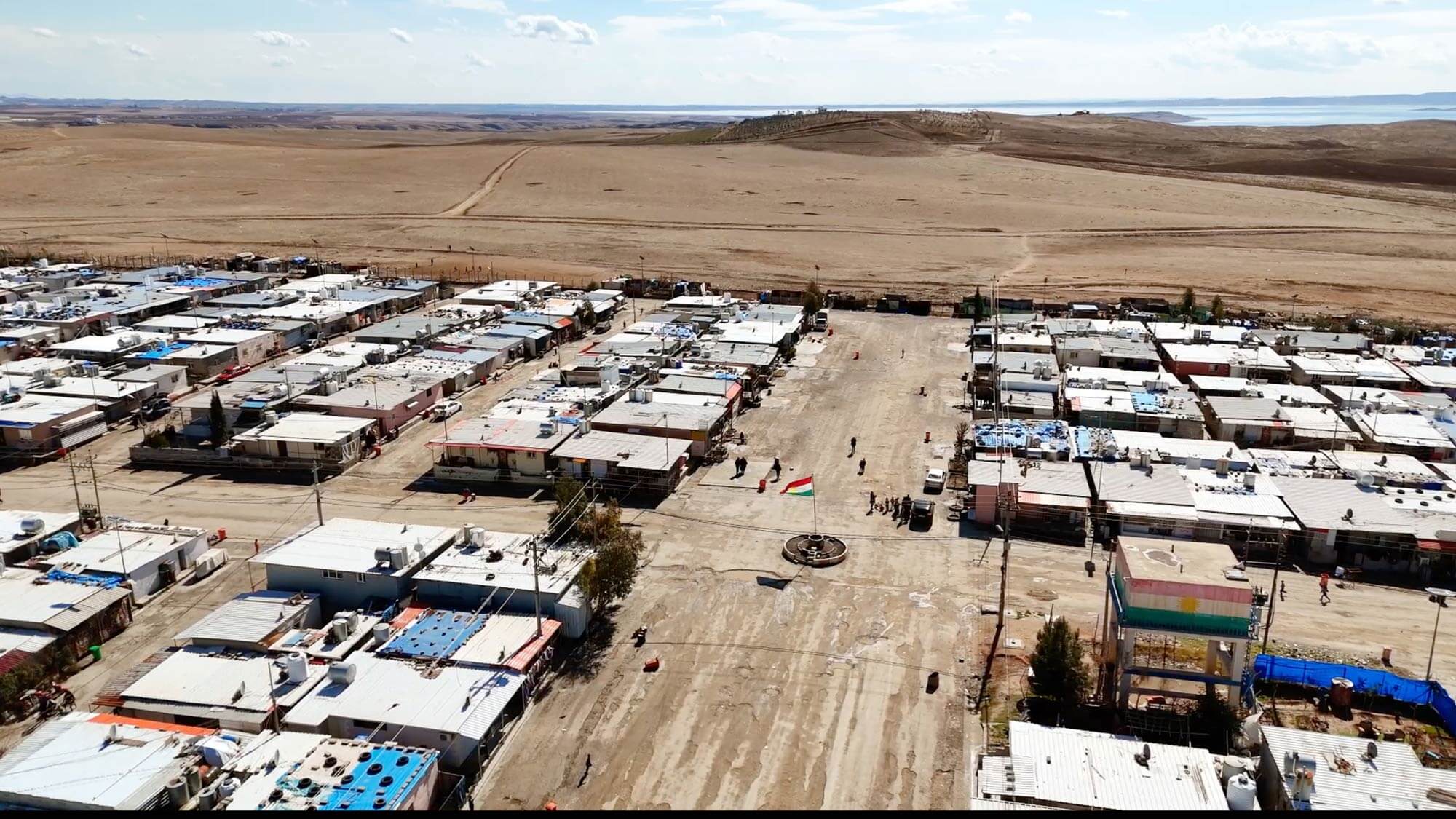
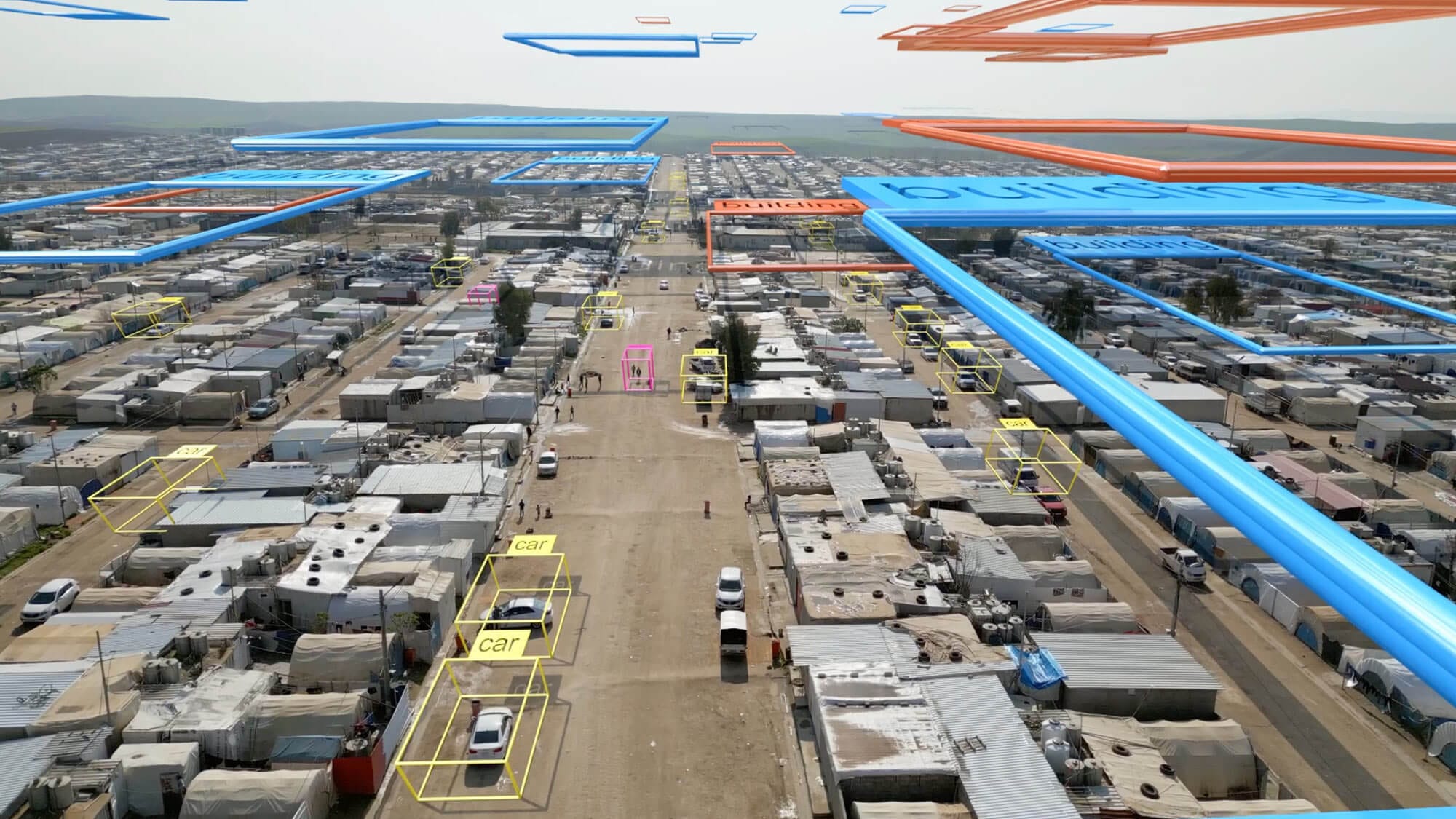
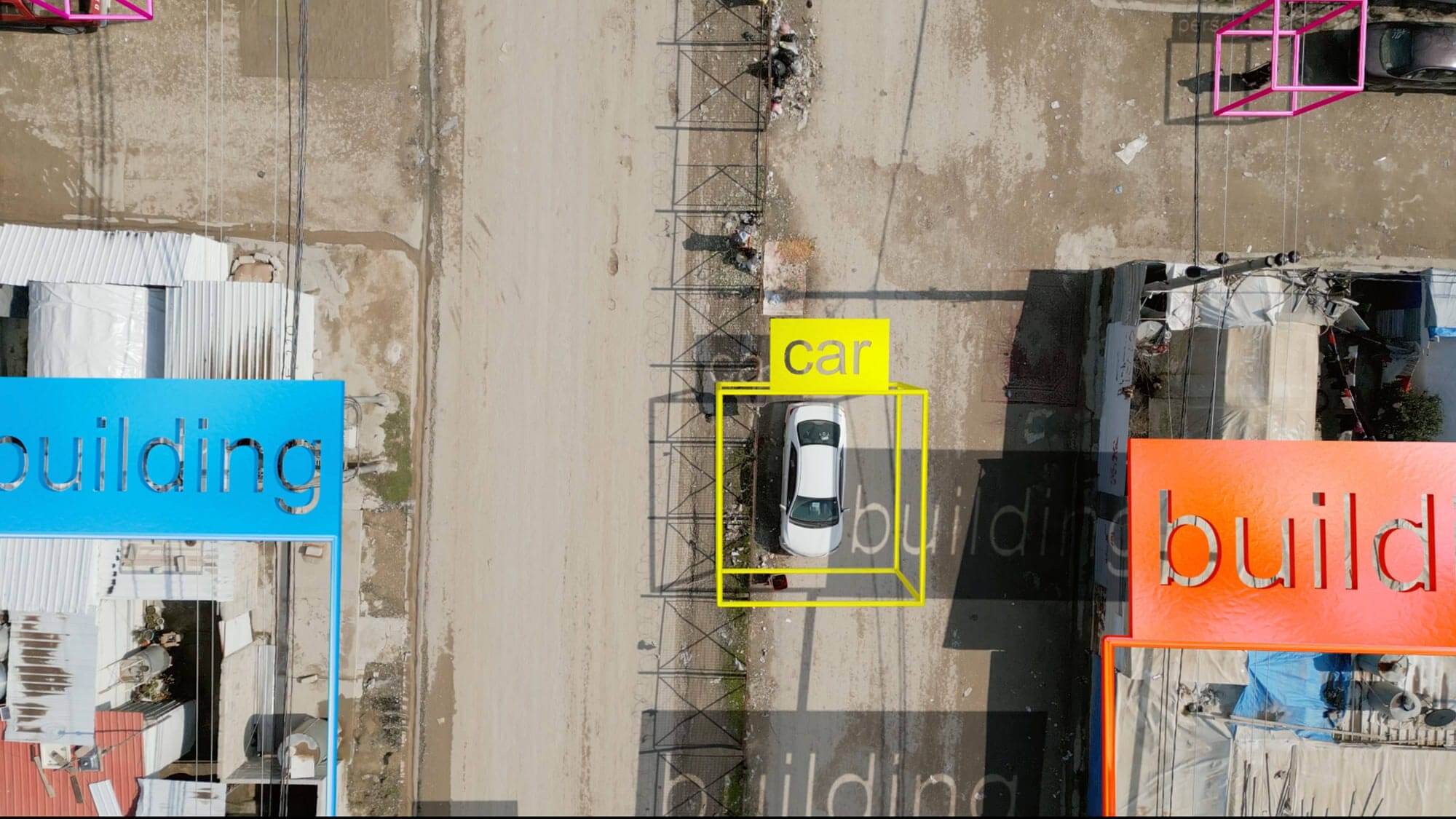
The video installation centers on interviews with Kurdish-Syrian refugees living in a camp in Erbil, Iraq. Participants describe their work annotating thousands of digital images for machine learning systems, identifying objects, people, and buildings to help train computer vision algorithms. Such tasks are foundational to contemporary AI systems, yet the workers who perform them frequently remain absent from public discussions of automation.
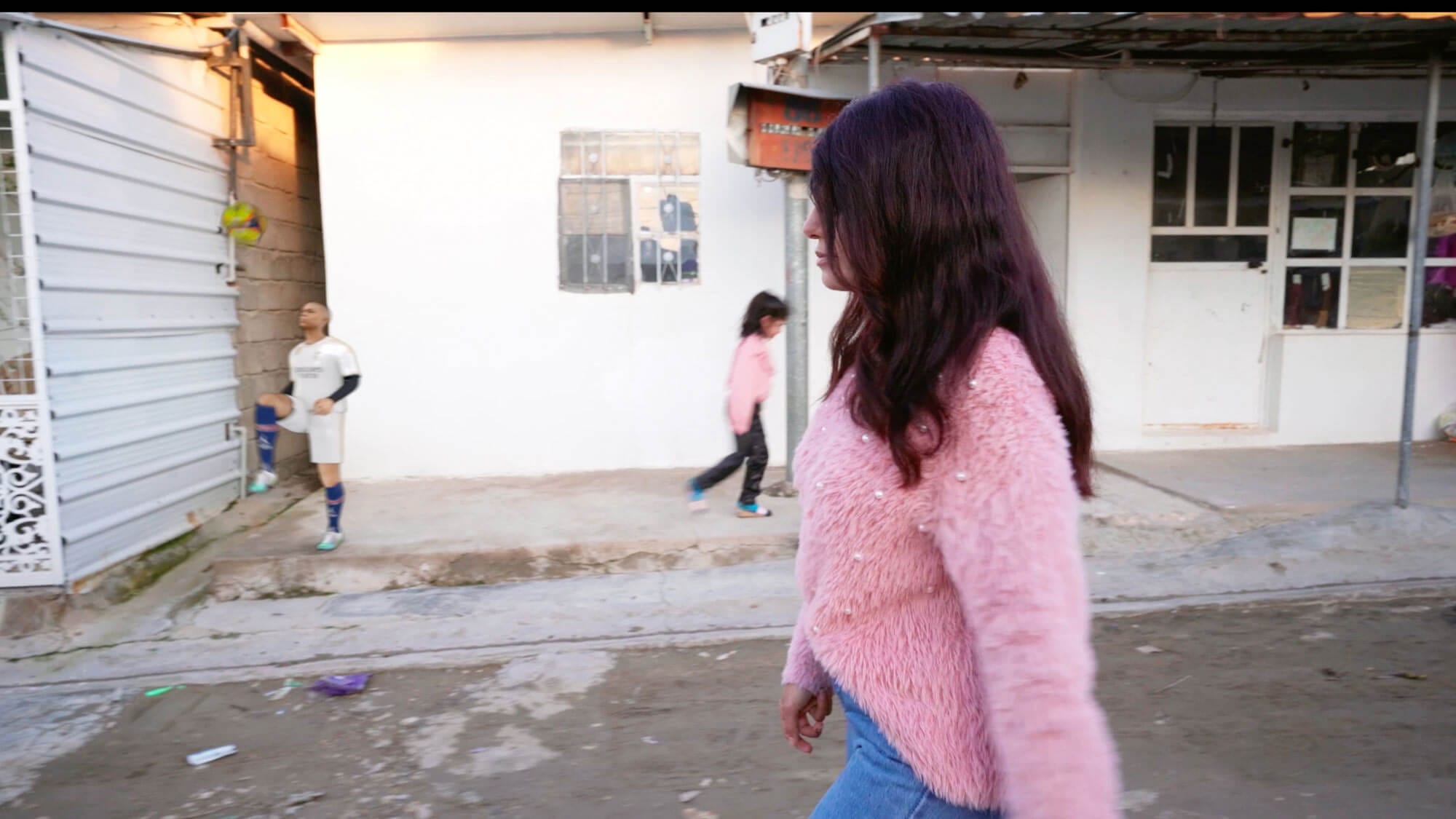
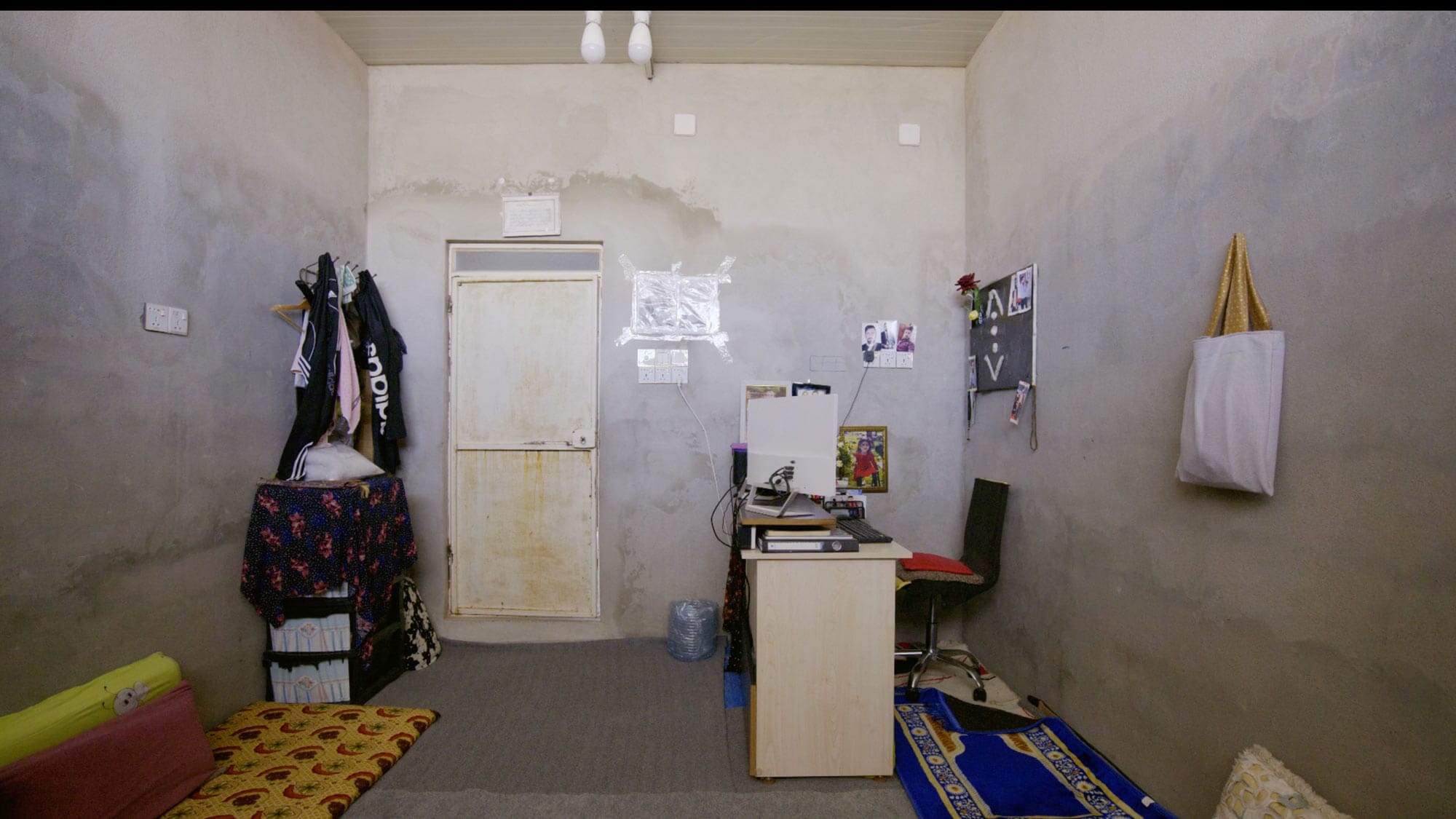
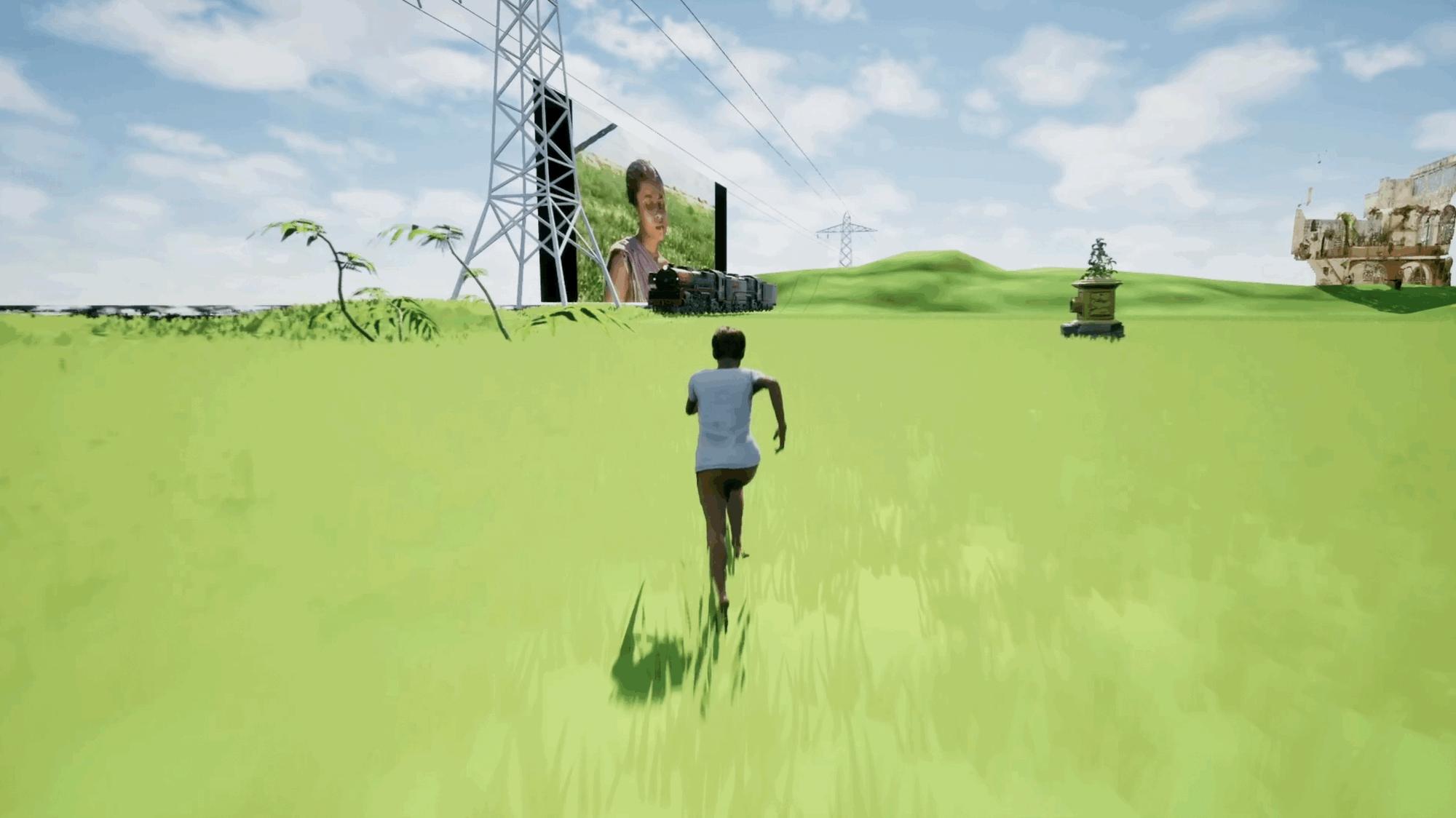
Throughout the installation, annotation frames appear across scenes of everyday life within the camp, visually echoing the interfaces used in image-labeling software. The work draws attention to a troubling feedback loop: this labor contributed to machine vision technologies associated with autonomous vehicles and drones. As the film progresses, algorithmic transformations alter footage of the camp into seemingly unrelated landscapes and urban environments before abruptly confronting viewers with imagery connected to drone warfare in Iraqi Kurdistan.
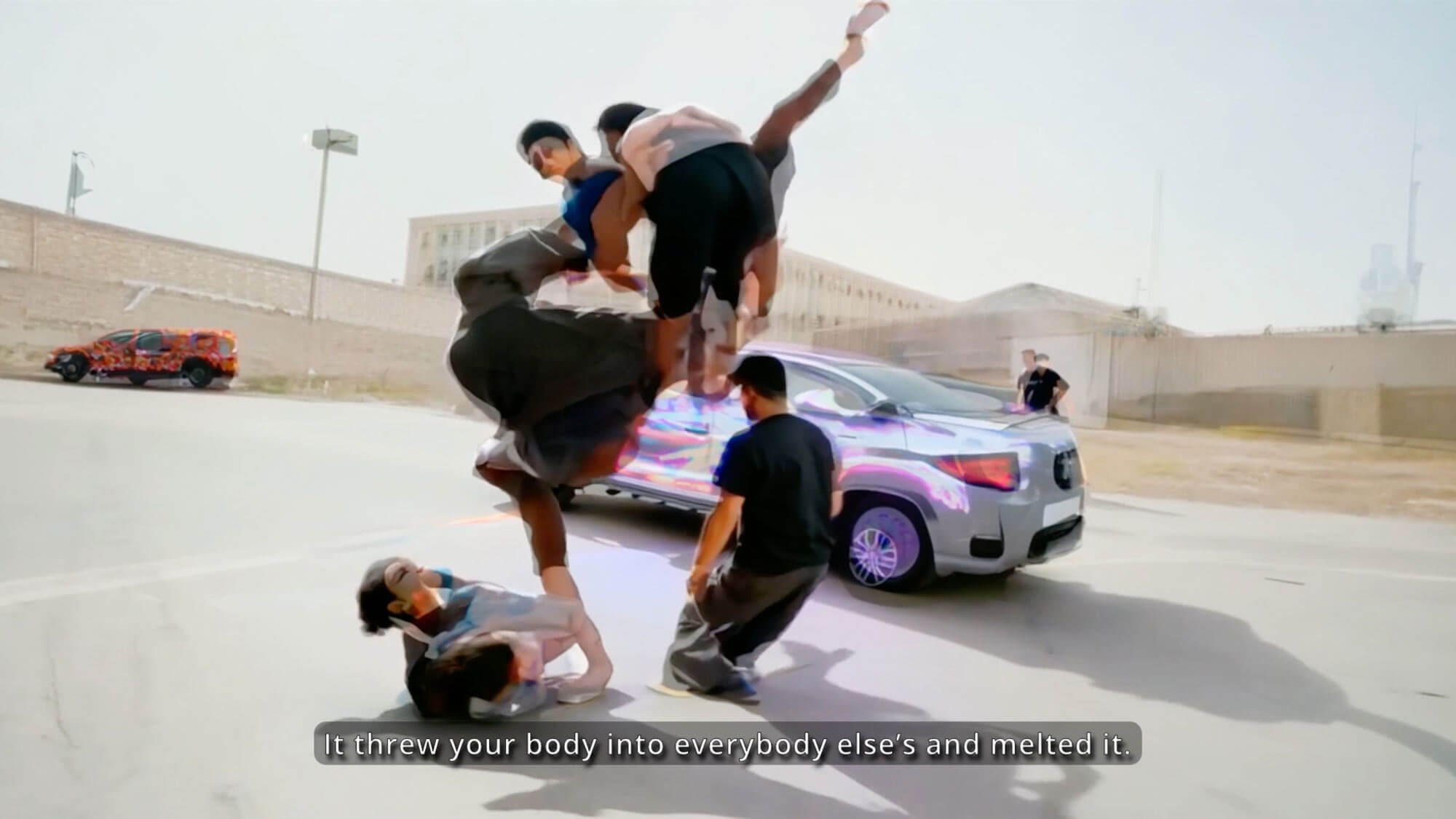
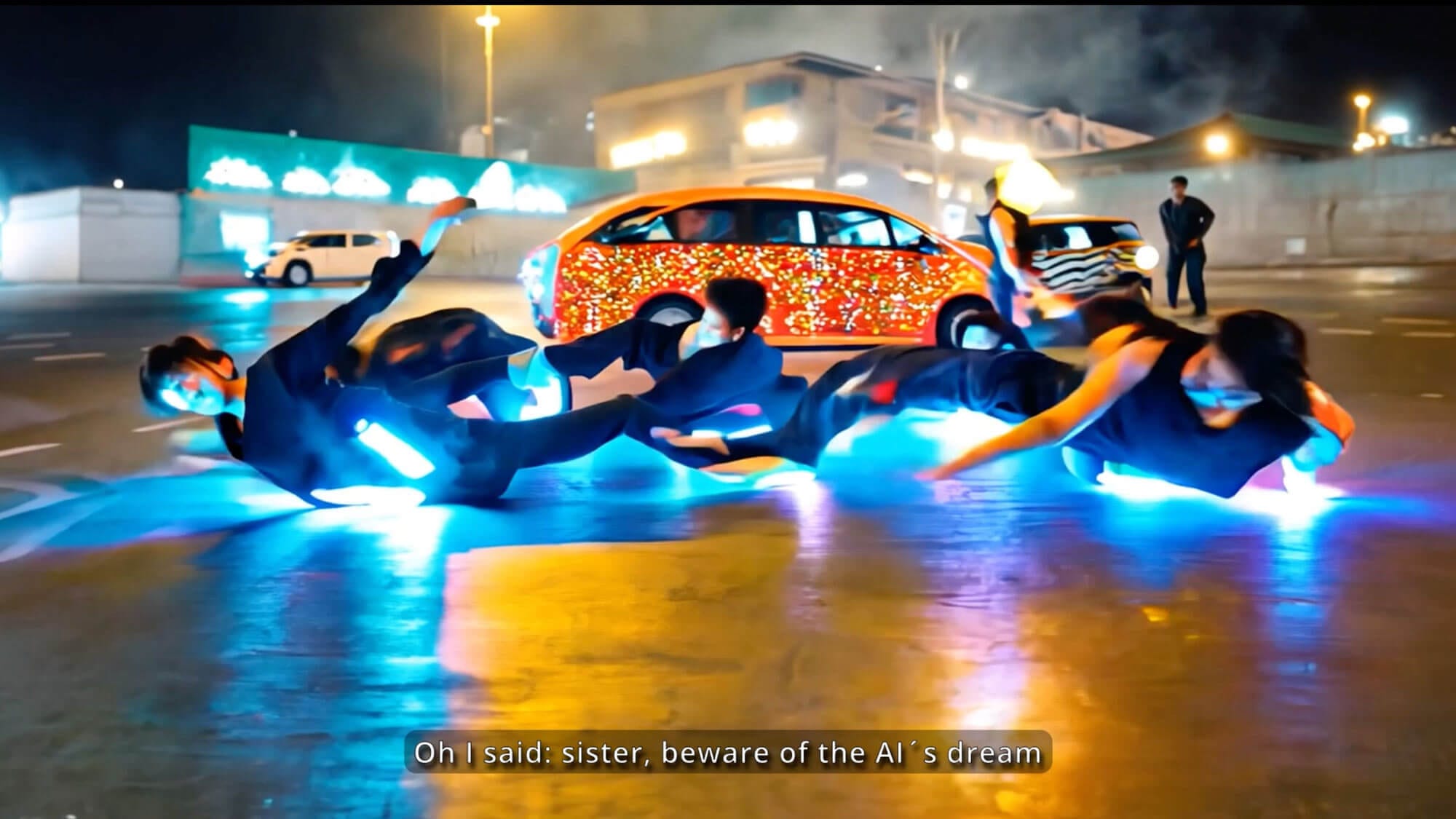
Rather than framing AI as an autonomous technological achievement, Mechanical Kurds situates machine learning within networks of labor, displacement, and geopolitical conflict. The project continues Steyerl's long-standing investigation into surveillance, digital infrastructures, and the political consequences of technological systems.
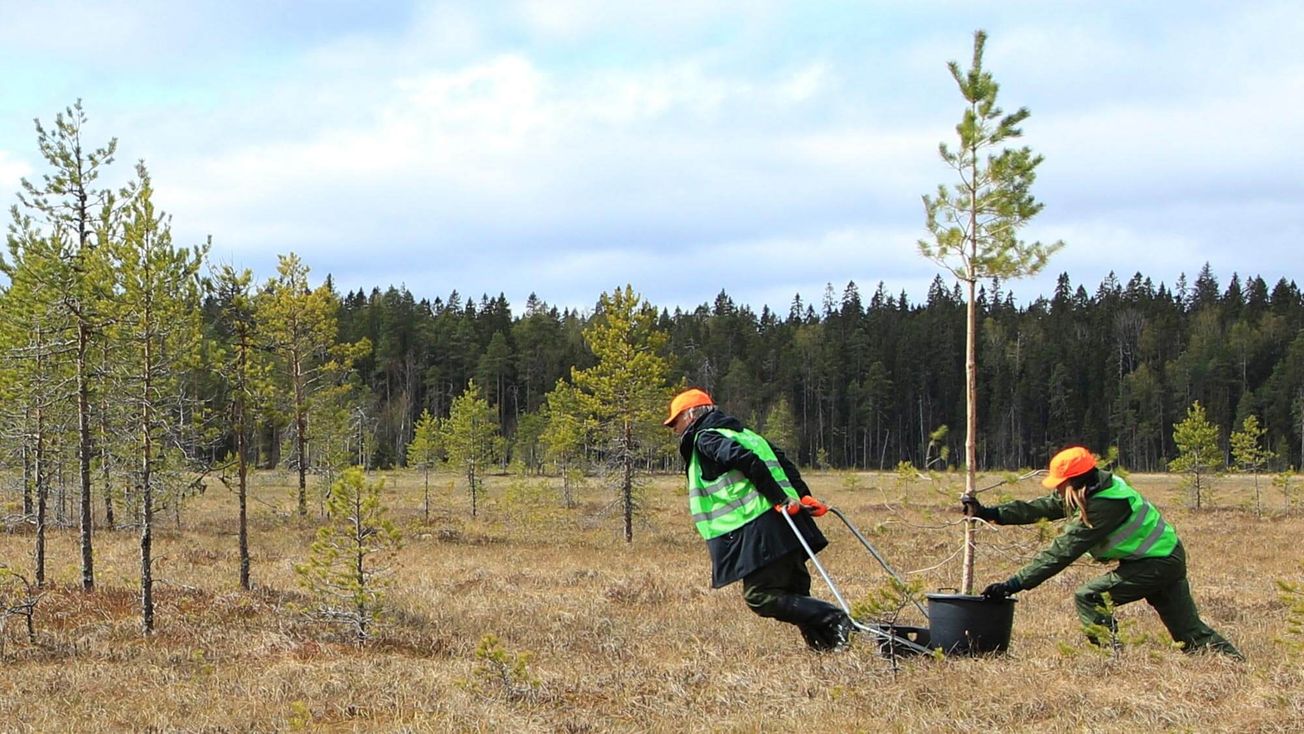
If Mechanical Kurds examines the hidden human foundations of contemporary computation, Meyer-Brandis' Office for Tree Migration explores ecological adaptation in response to climate change. Developed as a long-term interdisciplinary initiative, OTM investigates how trees and plant species respond to shifting climate conditions and asks what happens when environmental change occurs faster than ecosystems can naturally adapt.
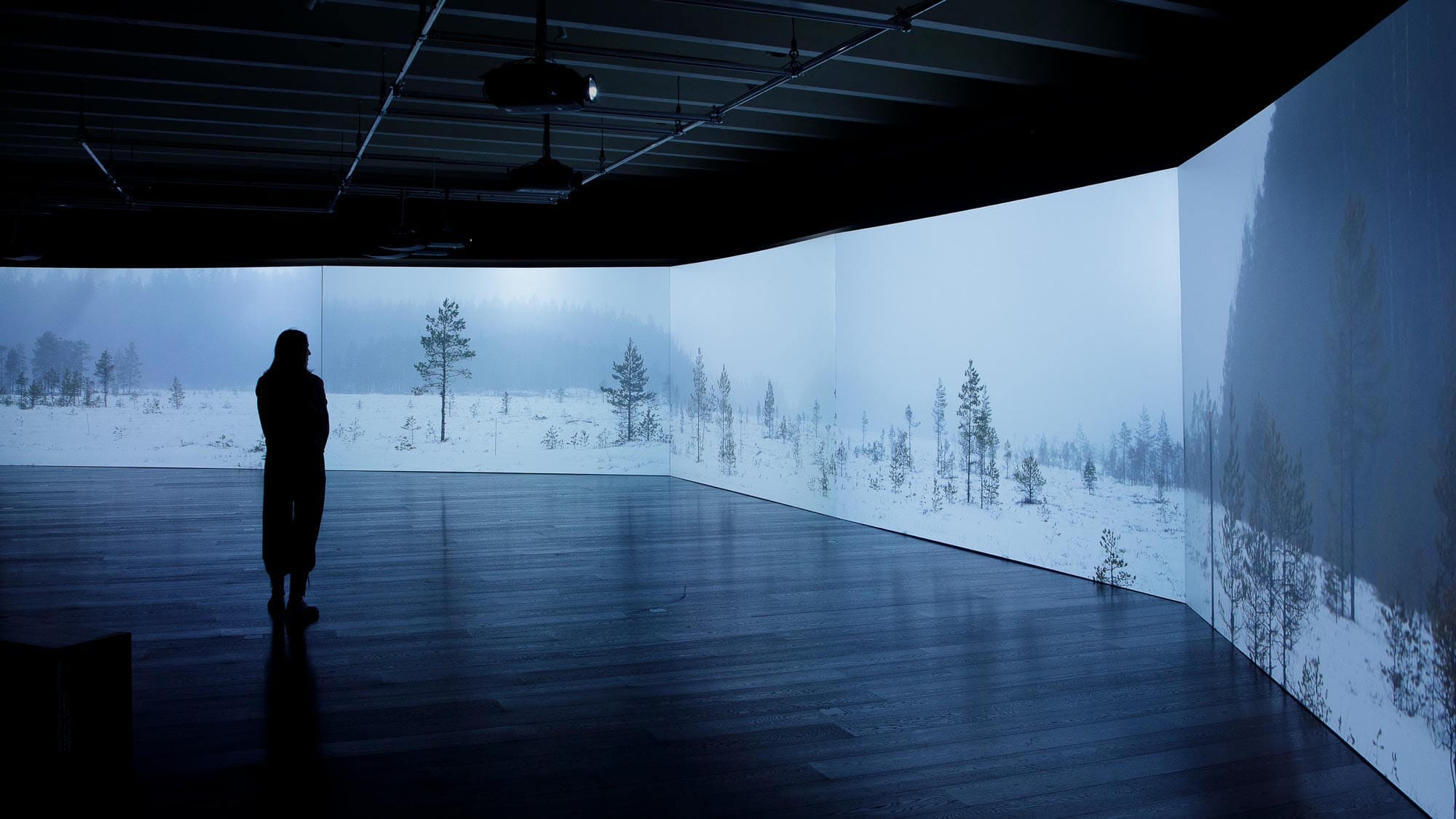
The project combines artistic research with methods drawn from ecology, atmospheric science, meteorology, geoinformatics, and biotechnology. Through environmental monitoring systems, phenological cameras, custom software, field observations, and public installations, OTM studies how vegetation migrates across changing landscapes.
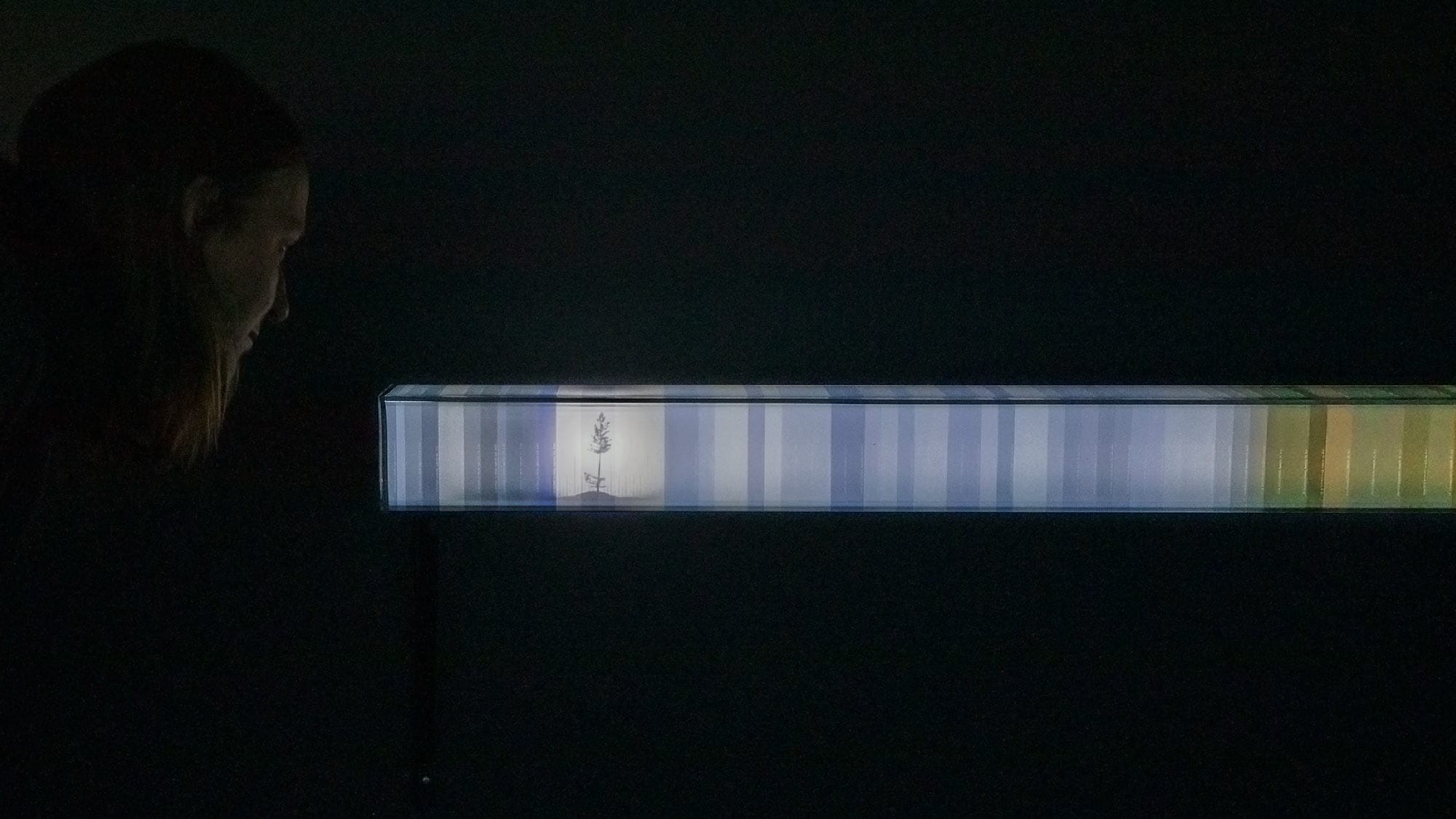
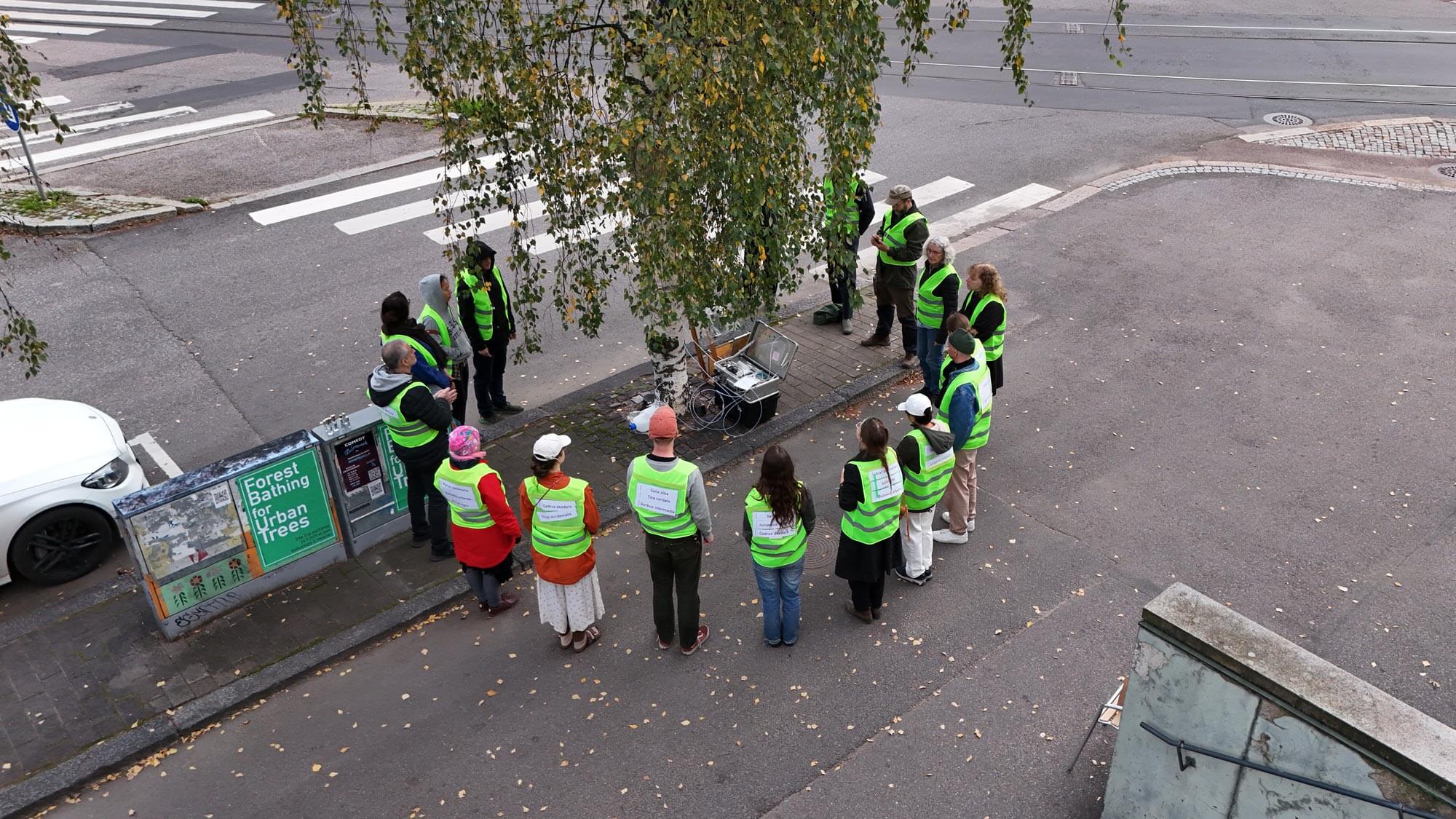
One of the project's central concerns is assisted tree migration. As global temperatures rise, many tree species face conditions that exceed their historical ranges. Because trees migrate across generations rather than individual lifetimes, climate change is occurring at a pace that may outstrip their ability to adapt naturally. OTM examines this challenge through both scientific observation and speculative artistic inquiry.
The initiative operates through a network of installations, field stations, and research sites located across forests, wetlands, laboratories, museums, and ecological transition zones. A permanent OTM branch established at the Hyytiälä Forestry Field Station in Finland functions simultaneously as a research laboratory, public exhibition space, and platform for collaboration among scientists, artists, and local communities.
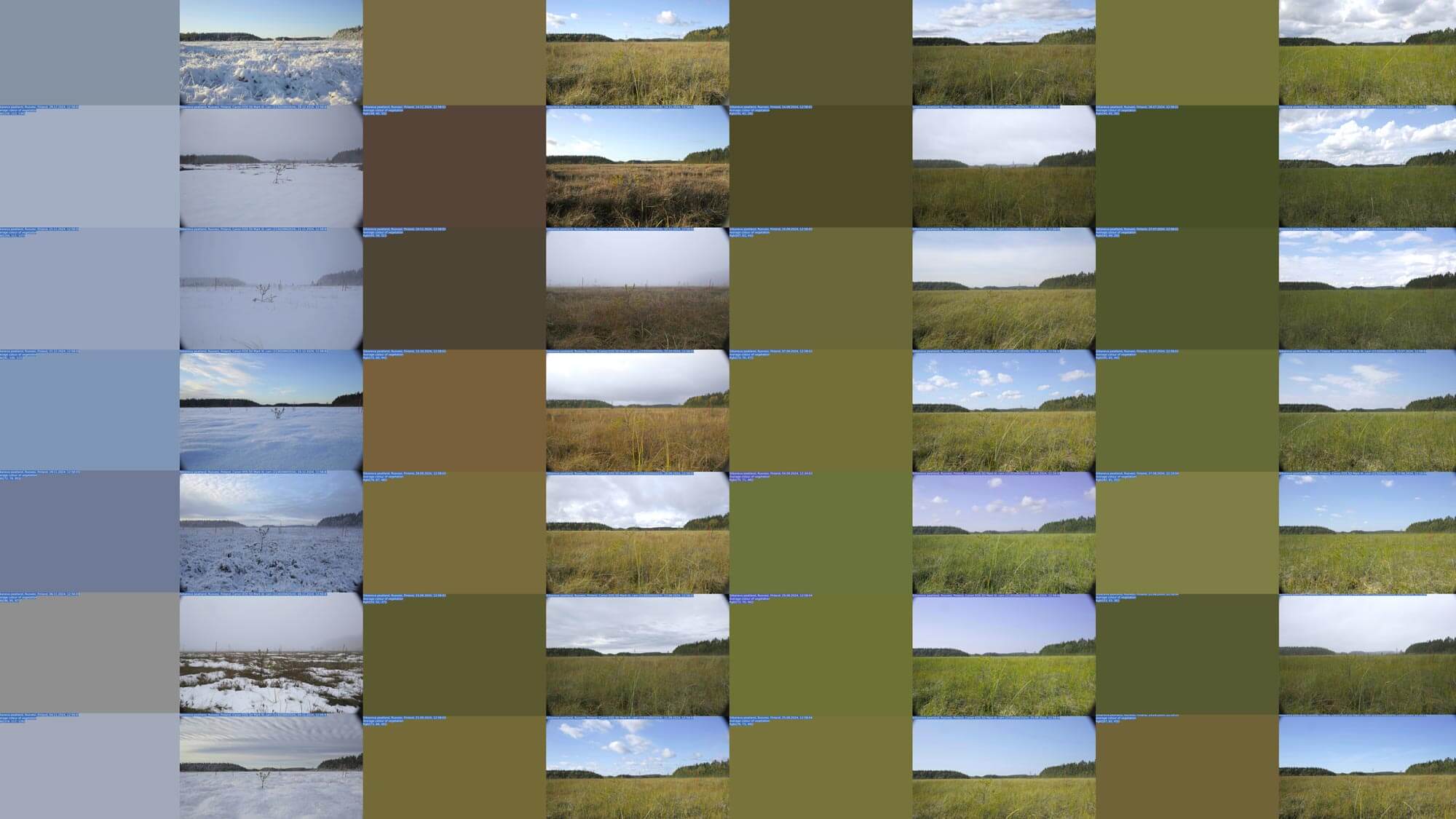
The project encompasses a range of interconnected works. As Trees Go By uses time-lapse imagery collected over several years to document ecological change in Finnish peatlands. Migration Route translates tree movement and environmental color data into sculptural form. Forest Green employs camera networks and software systems to investigate color as a form of ecological information. Across these works, environmental monitoring becomes both a scientific methodology and an artistic medium.
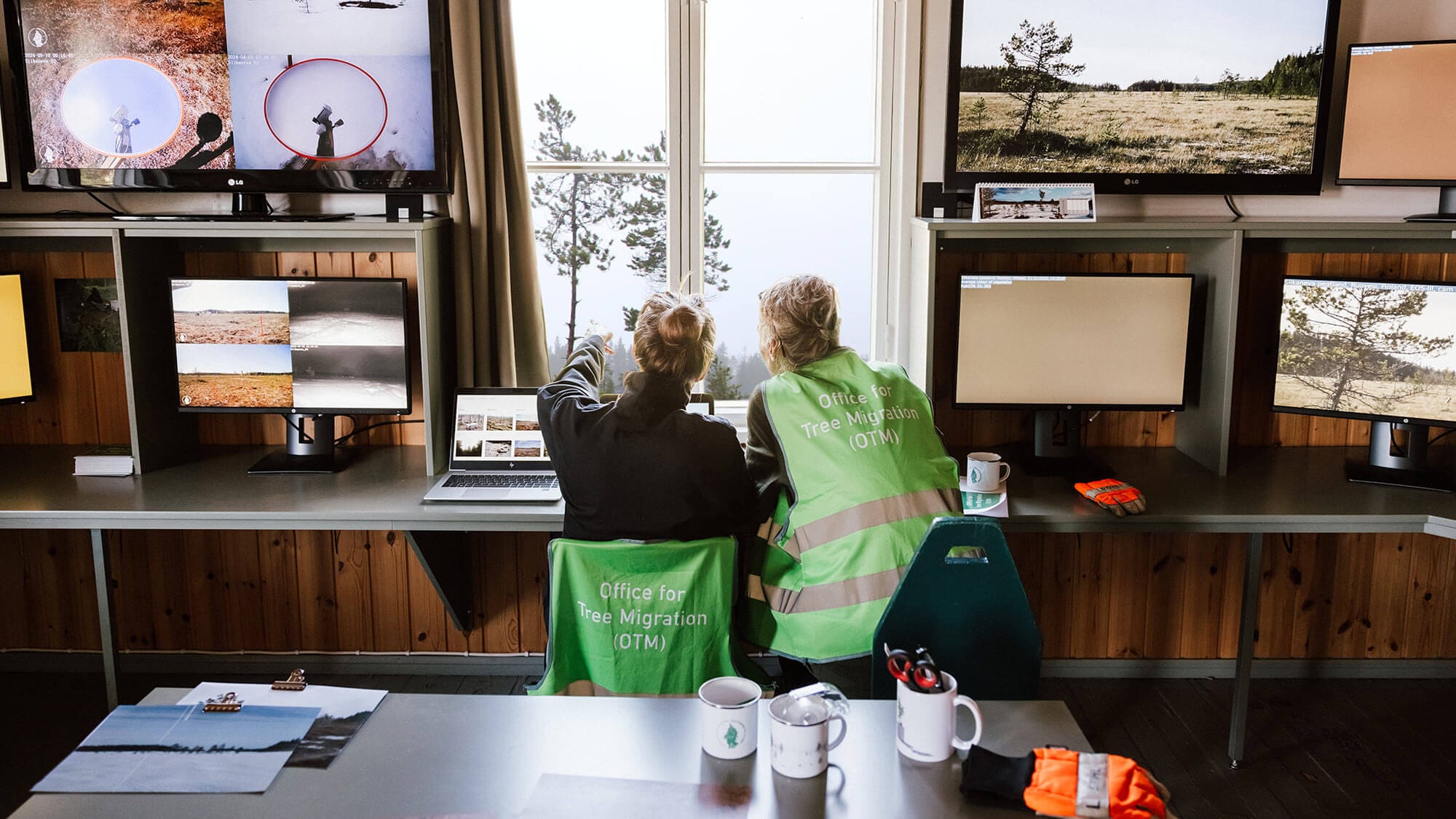
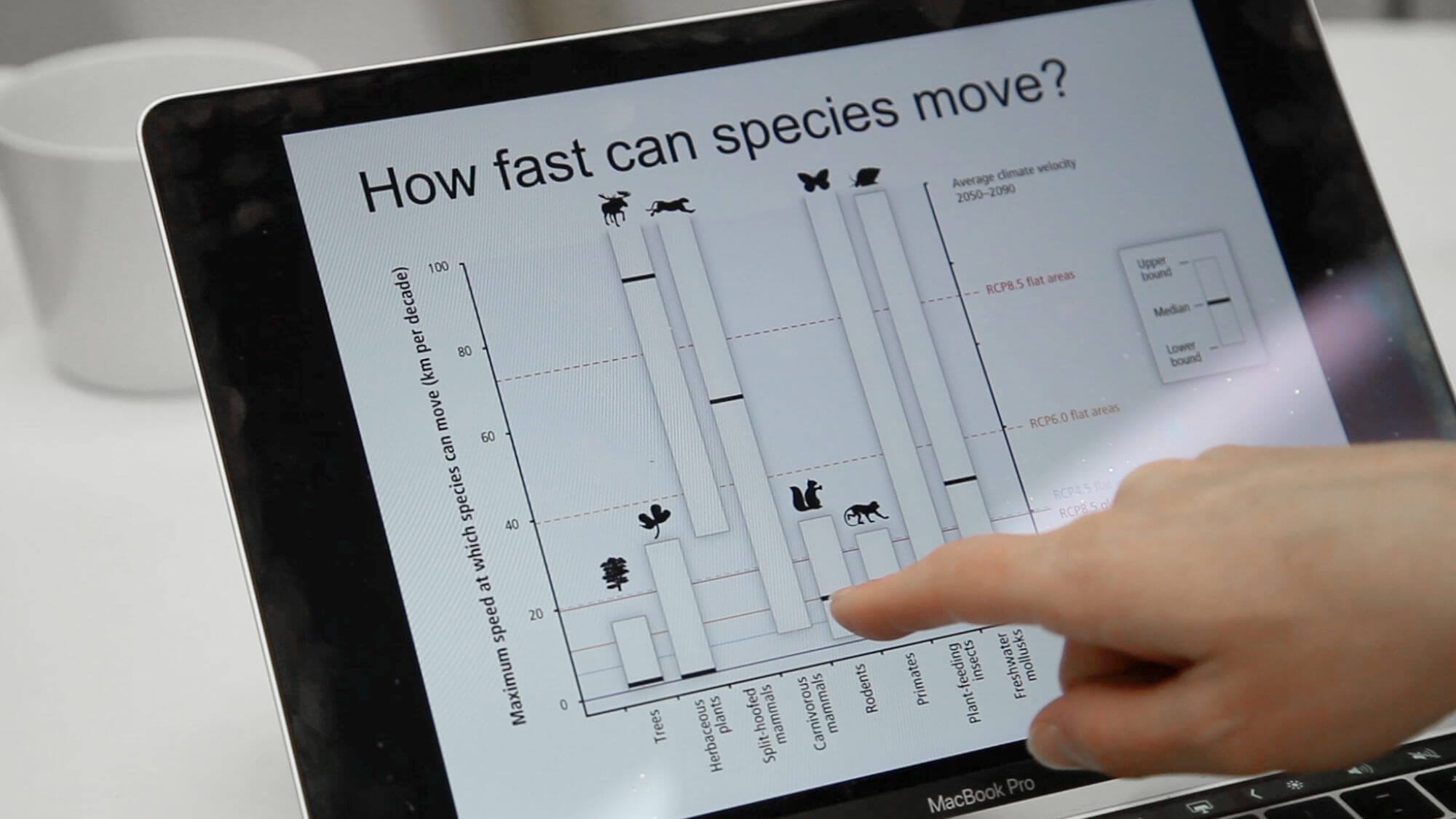
What distinguishes OTM is its refusal to separate technological innovation from ecological complexity. Rather than presenting technology as a solution to environmental crisis, the project uses technological tools to observe, document, and question the conditions under which adaptation becomes necessary.
Taken together, the two Grand Prize recipients point toward a broader shift in contemporary art-and-technology discourse. Both projects focus less on technological products than on the infrastructures that make them possible. In Mechanical Kurds, machine learning is understood through labor, migration, and conflict. In Office for Tree Migration, environmental sensing technologies become a means of examining ecological transformation across temporal scales far longer than those typically associated with innovation cycles.
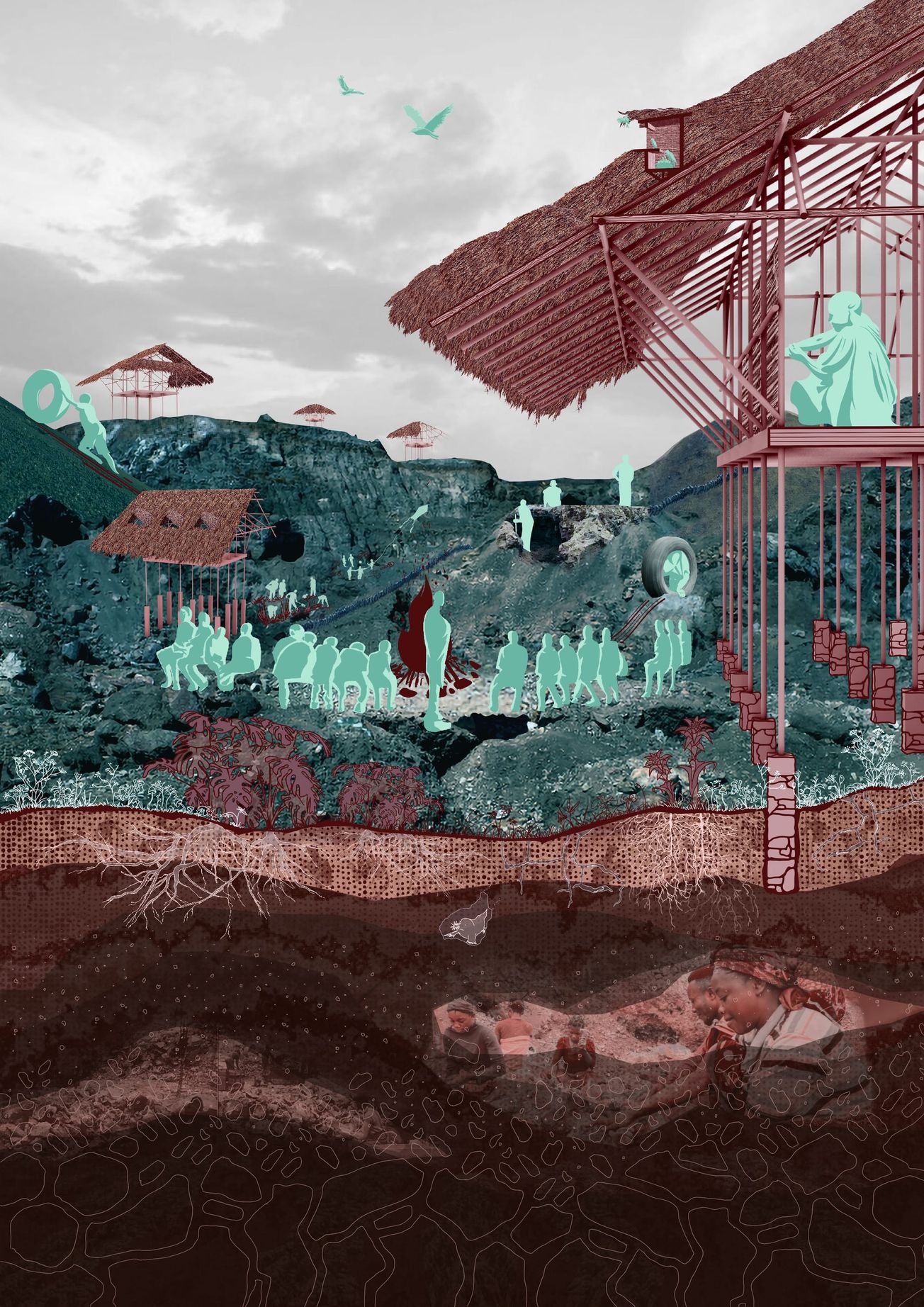
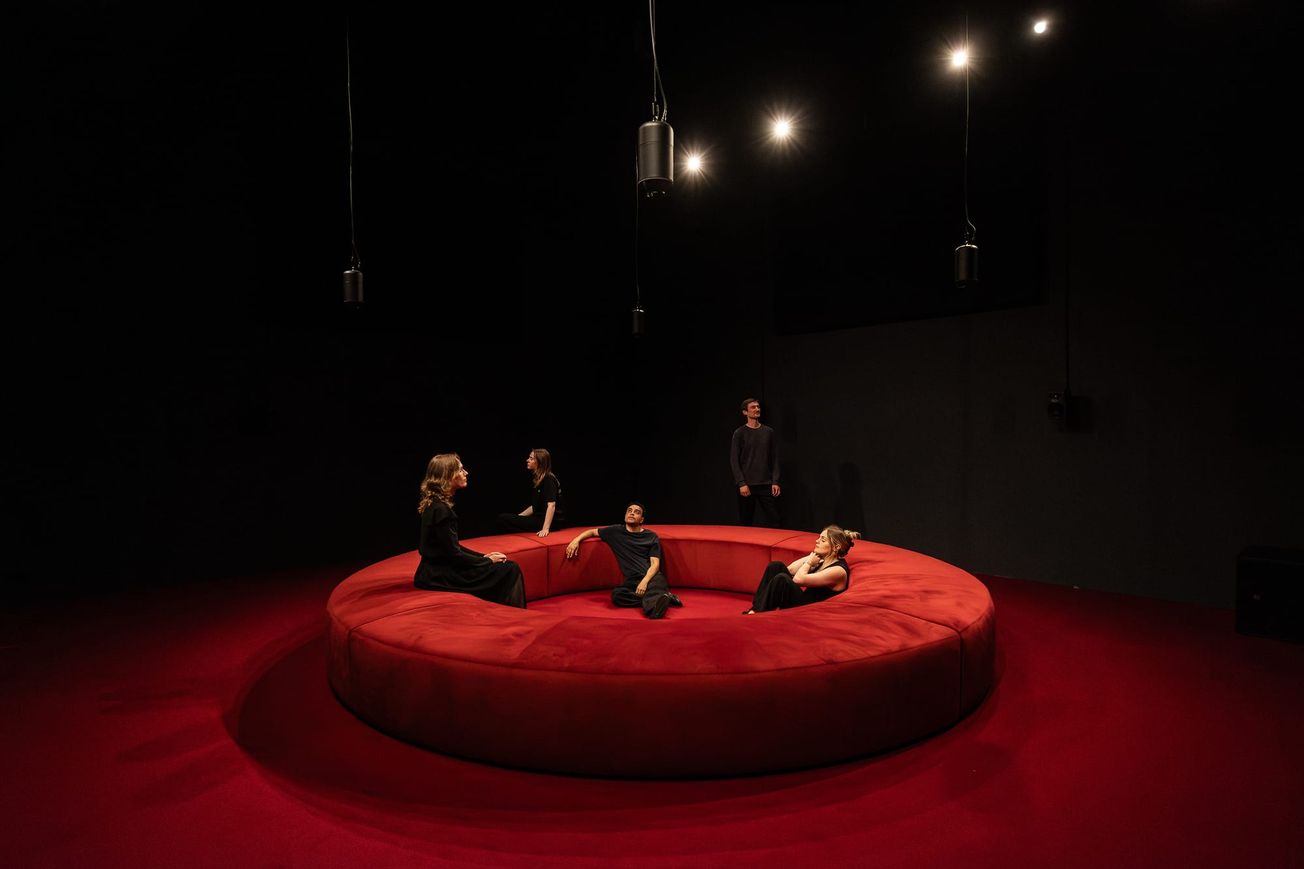
The 2026 honorary mentions reinforce these themes. Projects such as Marina Otero Verzier and Manuel Correa's Building for Quantum investigate the spatial and architectural dimensions of advanced computing infrastructure. Another honorary mention, Creative Intelligence: Reimagining Supercomputing through Artistic Research, developed with the Barcelona Supercomputing Center, explores how artistic research can engage directly with high-performance computing environments. Holly Herndon and Mat Dryhurst's The Call continues their exploration of collective intelligence, synthetic media, and AI governance. Other recognized projects address ocean futures, biotechnology, textile knowledge systems, and alternative computational imaginaries.
The result is a cohort of projects that treats technology not as an isolated domain but as a set of relationships connecting labor, ecology, infrastructure, culture, and power. The 2026 S+T+ARTS Prize highlights artistic research that examines the conditions under which technologies are built, deployed, and experienced. In doing so, it offers a snapshot of a field increasingly concerned with the systems behind the tools.