Researchers at the University of Hong Kong have developed what they describe as the world’s first soft, three-dimensional, biocompatible semiconductor made from hydrogel, marking a significant step toward electronics that physically and functionally integrate with living tissue. The work was led by Shiming Zhang and his team in HKU’s Wearable, Intelligent, Soft Electronics (WISE) research group.
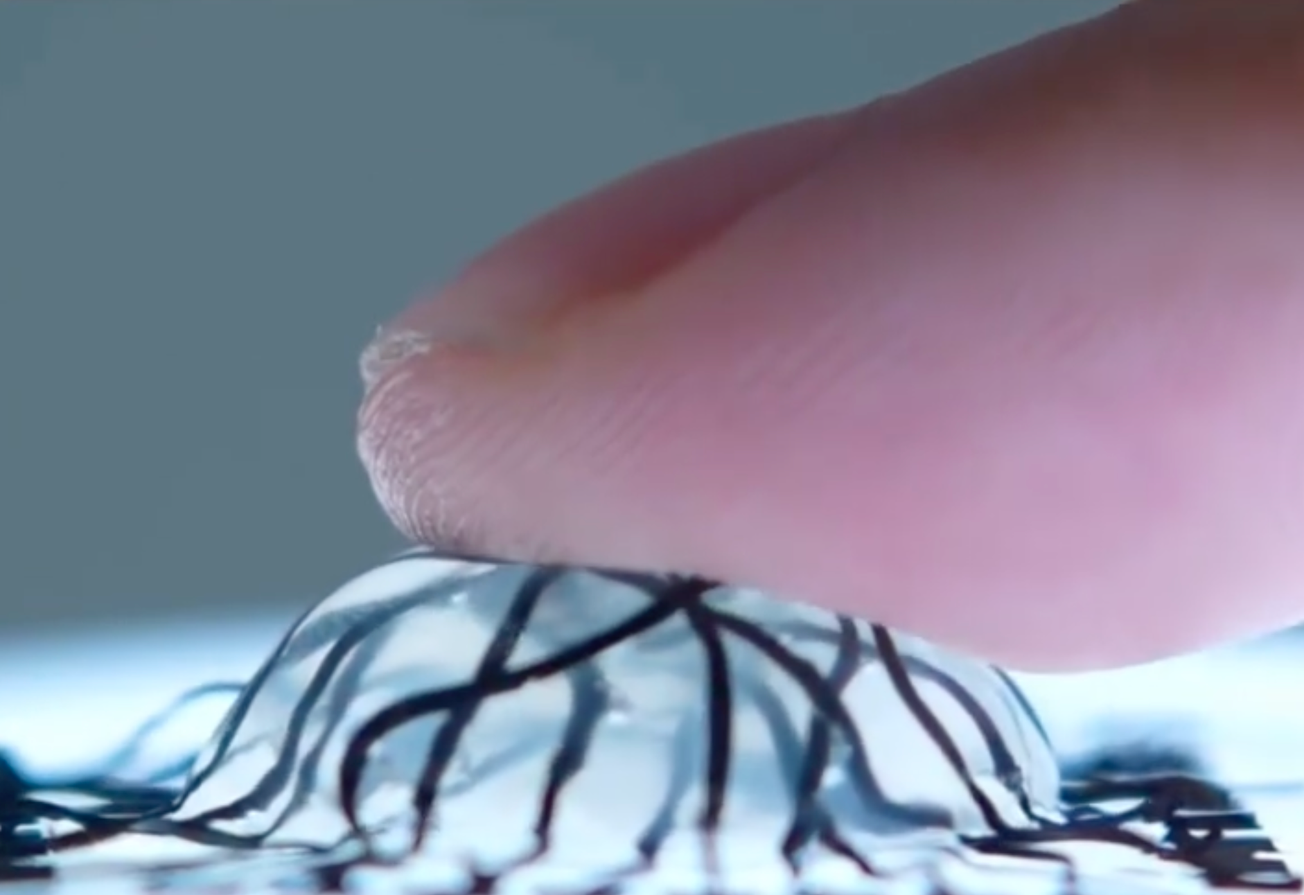
Unlike conventional semiconductors, which are rigid, flat, and mechanically mismatched with the body, the HKU device is water-rich, deformable, and volumetric. The hydrogel-based semiconductor can be fabricated into thick, three-dimensional structures while remaining soft—closer in texture and mechanical behavior to biological tissue than to silicon. According to the researchers, the material is also compatible with living cells, which can survive and grow within the electronic structure itself.
The team demonstrated three-dimensional hydrogel transistors capable of conducting electrical signals while hosting living cells, a combination that has not been achievable with previous electronic materials. This enables electronic architectures that operate not only on the surface of tissue but within tissue-like volumes, opening new possibilities for bioelectronic interfaces. The research, reported in Science, positions hydrogel semiconductors as a potential foundation for future neural interfaces, prosthetics, and regenerative medical technologies. Because the material reduces mechanical mismatch and supports biological integration, it addresses longstanding challenges in implantable electronics, including inflammation, signal degradation, and device longevity.
Rather than presenting electronics as external tools applied to the body, the HKU work reframes electronic systems as materials that can coexist with biological structures. As interest grows in brain–machine interfaces, soft prosthetics, and biointegrated healing technologies, this development points toward a class of electronics designed to blend into living systems rather than resist them.