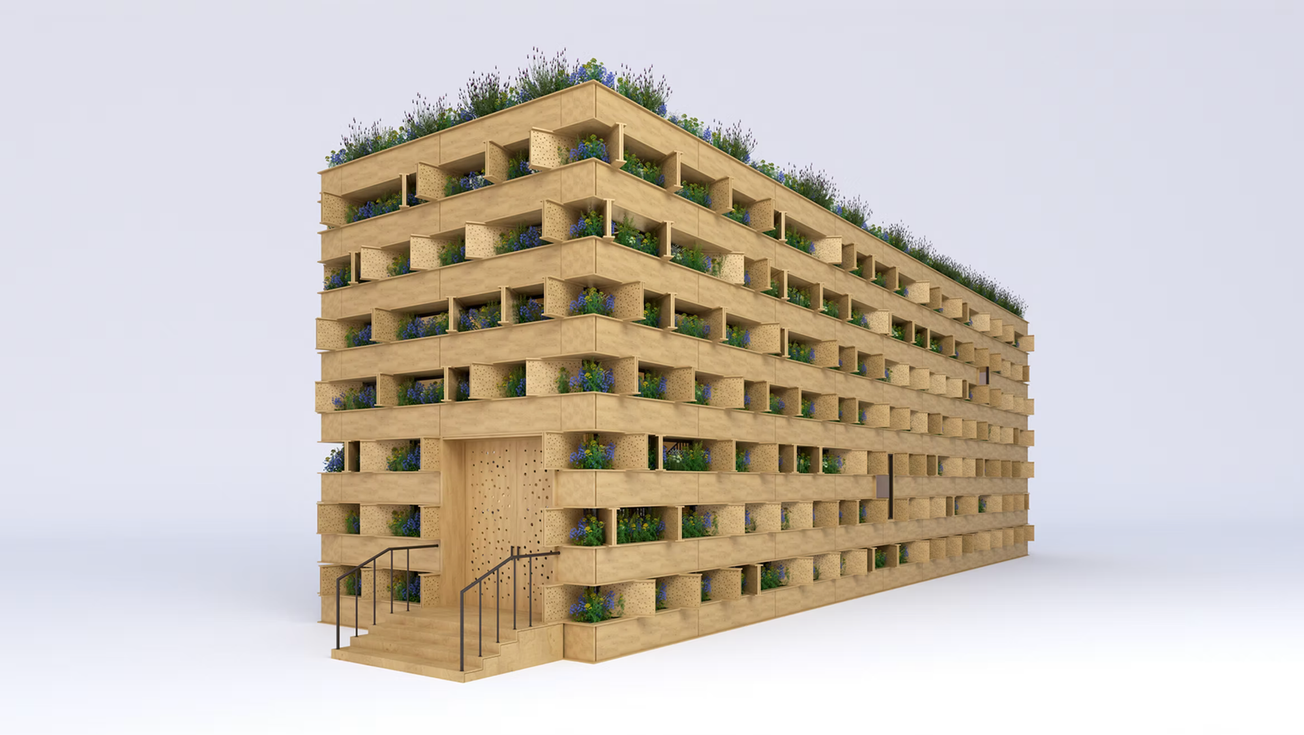
A new research training group funded by the German Research Foundation brings together the University of Stuttgartand the University of Freiburg to investigate smart materials and responsive building envelopes. The initiative focuses on envelope systems that adapt to environmental conditions through material behavior, with particular emphasis on bio-inspired materials and compliant mechanisms as alternatives to electronically controlled adaptive systems.
The research is situated at the intersection of architecture, engineering, and materials science, addressing long-standing challenges in how buildings manage environmental performance while limiting mechanical complexity.
Rethinking the Building Envelope as an Active System
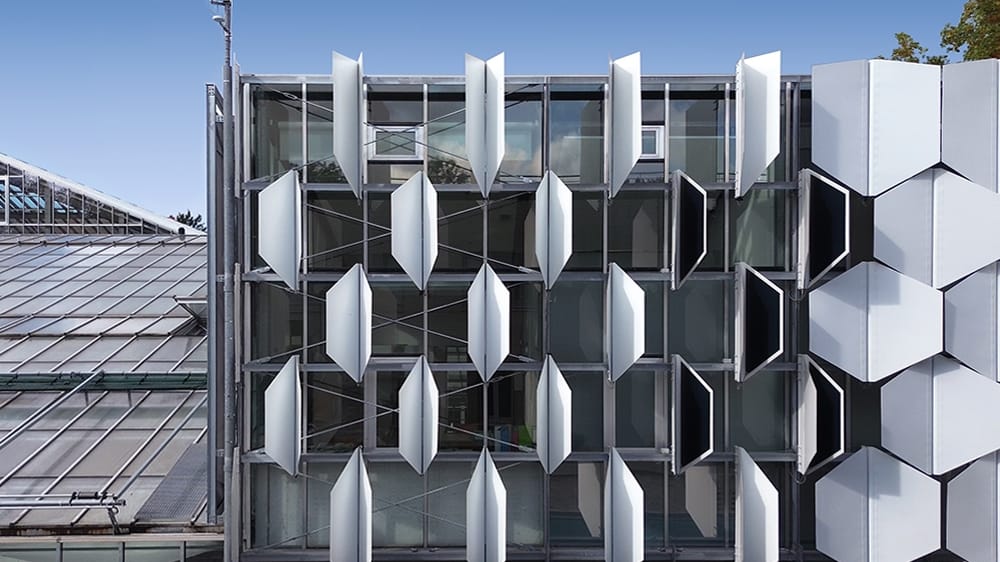
Building envelopes have historically been designed as largely static assemblies, optimized for insulation, weather protection, and visual performance. Over the past two decades, performance-driven design approaches have introduced dynamic shading systems, kinetic facades, and automated ventilation strategies. These systems have improved environmental responsiveness but often depend on electromechanical components, centralized control systems, and ongoing maintenance.
The research training group focuses on alternative approaches to adaptive envelopes, investigating systems that respond to environmental stimuli such as humidity, temperature, and solar radiation through material behavior and structural configuration. Rather than relying on motors, sensors, or software-driven control, the research explores how responsiveness can be achieved through the intrinsic properties of materials and the way they are assembled.
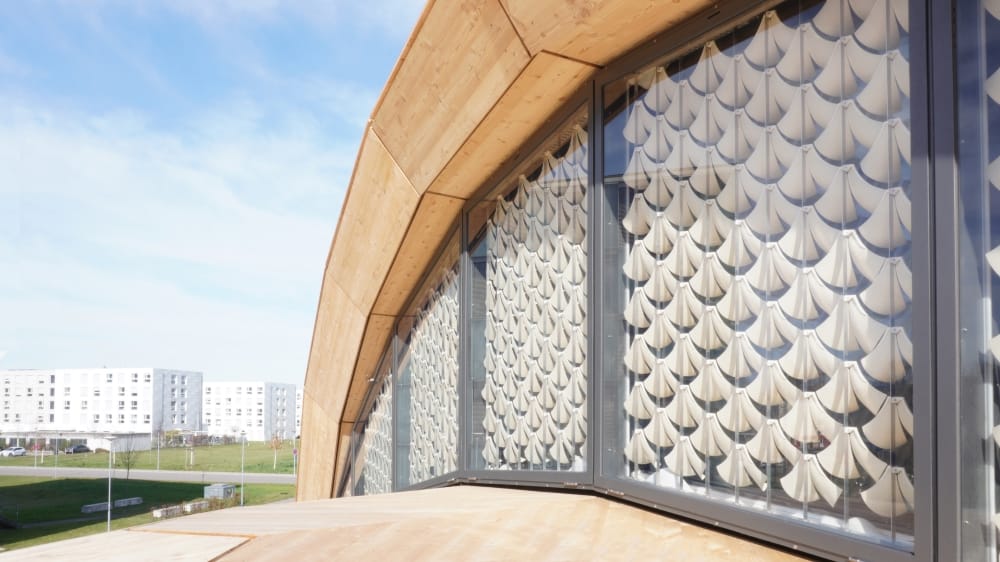
Drawing on bio-inspired principles, the work examines how movement and adaptation can emerge from material composition, geometry, and compliant mechanisms. In natural systems, environmental responsiveness is often achieved without centralized control, offering models for architectural components that operate passively and predictably over time.
Smart Materials Beyond Embedded Electronics
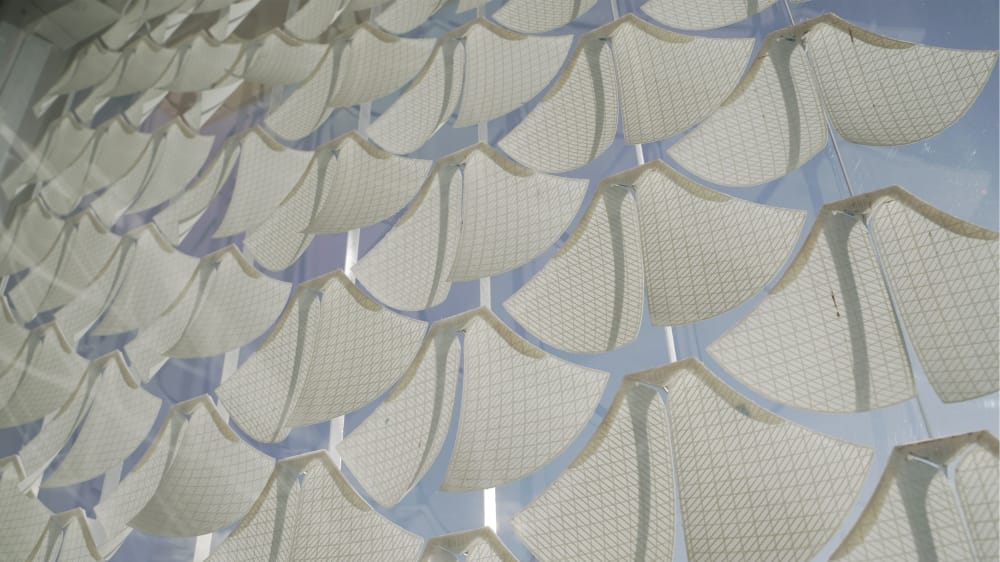
The research training group emphasizes approaches to smart materials that foreground material behavior and structural logic rather than electronically controlled systems alone. Research areas include bio-inspired composites, anisotropic materials, and hybrid structures whose performance can be influenced during design and fabrication. Computational design plays a central role in this process, serving as a tool for modeling, simulating, and predicting how material systems respond under environmental loads. These digital methods are integrated with physical workflows, including robotic fabrication and material testing, allowing researchers to evaluate behavior across multiple scales and conditions.

By exploring material-driven responsiveness, the research investigates alternatives to mechanically complex adaptive systems. These approaches are examined for their potential relevance to durability, energy use, and architectural expression, particularly in contexts where simplicity and passive performance are critical.
Training Researchers at the Intersection of Design and Science
The research training group will support approximately 20 doctoral researchers over a five-year period beginning in 2026. The program brings together doctoral projects across architecture, engineering, materials science, and biology within a structured interdisciplinary framework, reflecting the complexity of adaptive building systems.
Doctoral researchers engage with a range of scales and methods relevant to responsive envelopes, including material development, component prototyping, computational modeling, and experimental testing. As with other DFG Research Training Groups, the program includes coordinated supervision, seminars, and collaborative research formats designed to support interdisciplinary exchange and methodological rigor.
Implications for Architecture, Industry, and Design Culture
While the research training group is focused on building envelopes, the material systems under investigation relate to broader developments in adaptive structures and bio-inspired materials research. Similar approaches are being explored across architecture, construction, and adjacent design fields where lightweight, passive, and materially efficient performance strategies are increasingly relevant.
Within architectural discourse, the research aligns with ongoing interest in material-driven responsiveness and alternatives to digitally controlled adaptive systems. By combining computational design with material experimentation, the program contributes to wider discussions about how environmental performance can be addressed through structural and material behavior rather than through additional technological layers.