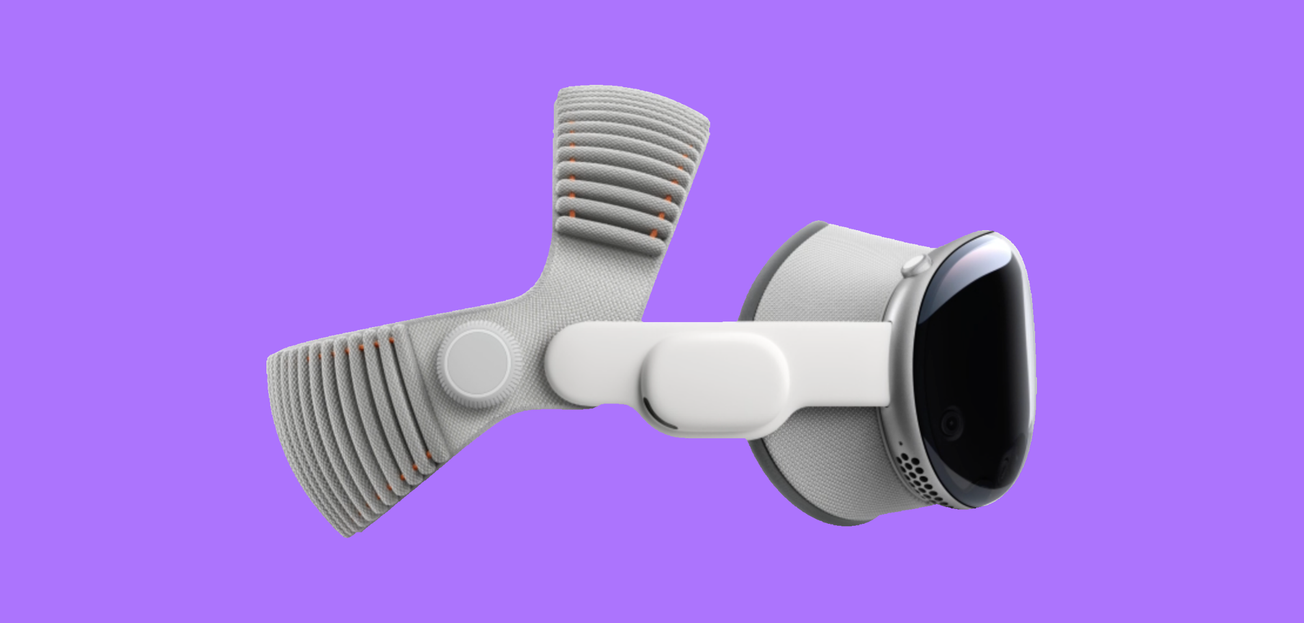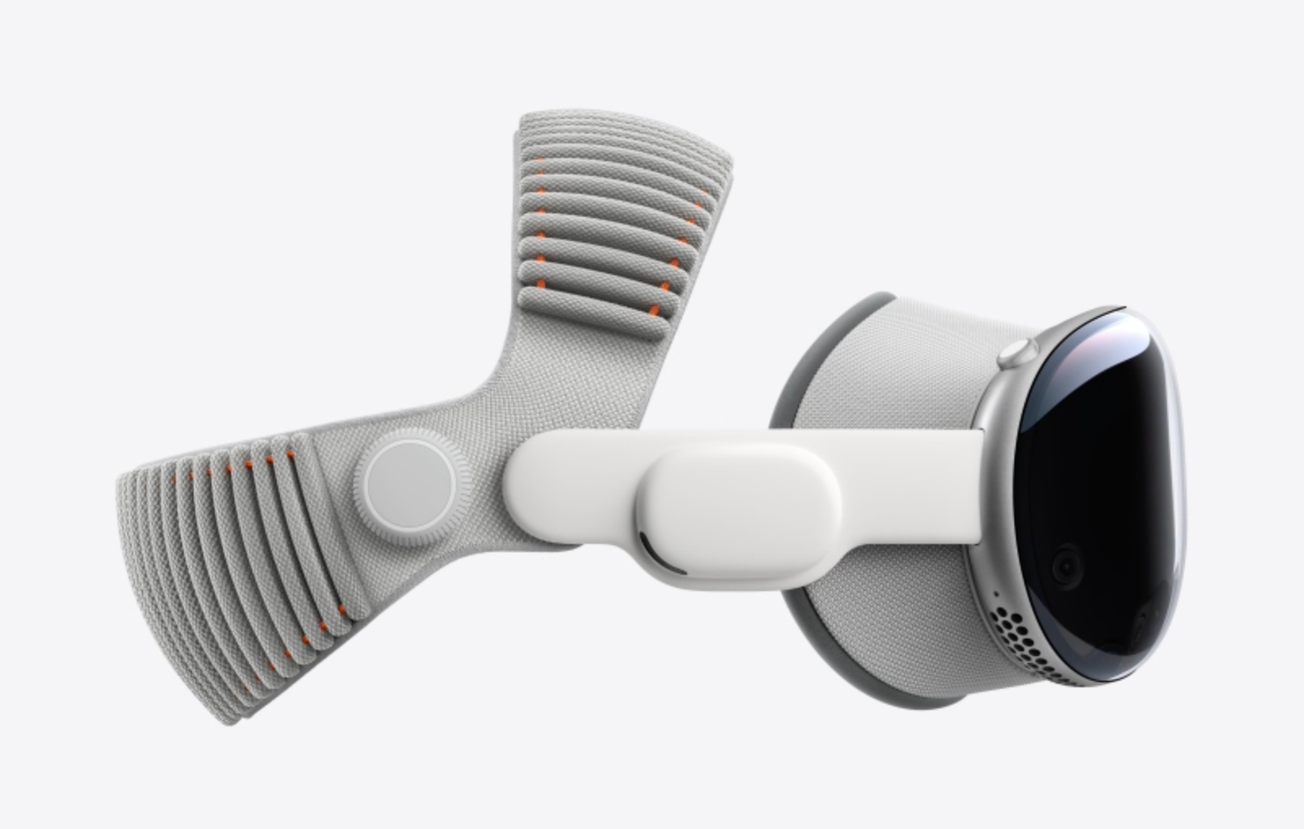
Apple’s Vision Pro is increasingly being framed less as a consumer entertainment device and more as a professional spatial computing platform. While early attention focused on immersive media and personal productivity, recent software updates, developer messaging, and partnerships signal a deliberate shift toward enterprise, engineering, and design-oriented use cases.
Since launch, Apple has emphasized Vision Pro’s ability to run familiar desktop-class applications in spatial environments. Native support for macOS screen mirroring allows professionals to scale multiple high-resolution virtual displays, positioning the headset as an alternative to multi-monitor setups rather than a replacement for traditional computing. This approach aligns Vision Pro with production workflows already common in design studios, architecture firms, and engineering teams.
Enterprise-focused collaborations reinforce this direction. Companies including Adobe and Autodesk have introduced Vision Pro-compatible tools that extend creative and technical workflows into three-dimensional space. Rather than promoting novelty, these integrations emphasize continuity: familiar software, spatially expanded. Apple has also highlighted use cases in product design review, medical visualization, and industrial training—areas where immersive context adds measurable value.
Notably absent is aggressive consumer marketing around gaming or social experiences. Instead, Apple’s messaging increasingly mirrors that of a professional workstation vendor. Vision Pro’s precise eye tracking, low-latency hand input, and high pixel density are framed as instruments for accuracy and focus, not spectacle. This positioning aligns with Apple’s broader strategy of targeting high-margin professional markets before mass adoption.
The implication is clear. Vision Pro is less about lifestyle augmentation and more about spatial computing as infrastructure—a tool for thinking, prototyping, and collaboration. As software ecosystems mature and costs eventually come down, Apple appears to be laying groundwork for spatial computing to become a normalized layer of professional production rather than a niche entertainment format. From this perspective, Vision Pro is not an experiment. It is a quiet bet that future creative work will happen in space, not just on screens.