For much of the past century, air conditioning, automated shading, and sensor-driven building management systems have controlled temperature, airflow, and light across much of the built environment. Yet architecture has long incorporated another approach: designing buildings so that environmental regulation emerges from their physical structure. Through orientation, airflow, material behavior, and solar shading, buildings can moderate interior conditions without relying entirely on mechanical equipment.
Climate-responsive design has deep historical roots. Long before mechanical heating and cooling systems became widespread in the twentieth century, buildings responded directly to local environmental conditions. Courtyard houses created shaded microclimates, thick masonry walls stabilized temperature swings, and ventilation towers encouraged air movement through interior spaces. Today architects often combine these established strategies with environmental modeling tools that simulate airflow, solar exposure, and thermal performance during the design process.
Designing with Air: Passive Ventilation Strategies
Air movement remains one of the most effective ways to moderate indoor temperature. Long before mechanical ventilation systems existed, architects developed ways to guide airflow through buildings using orientation, spatial layout, and carefully positioned openings.
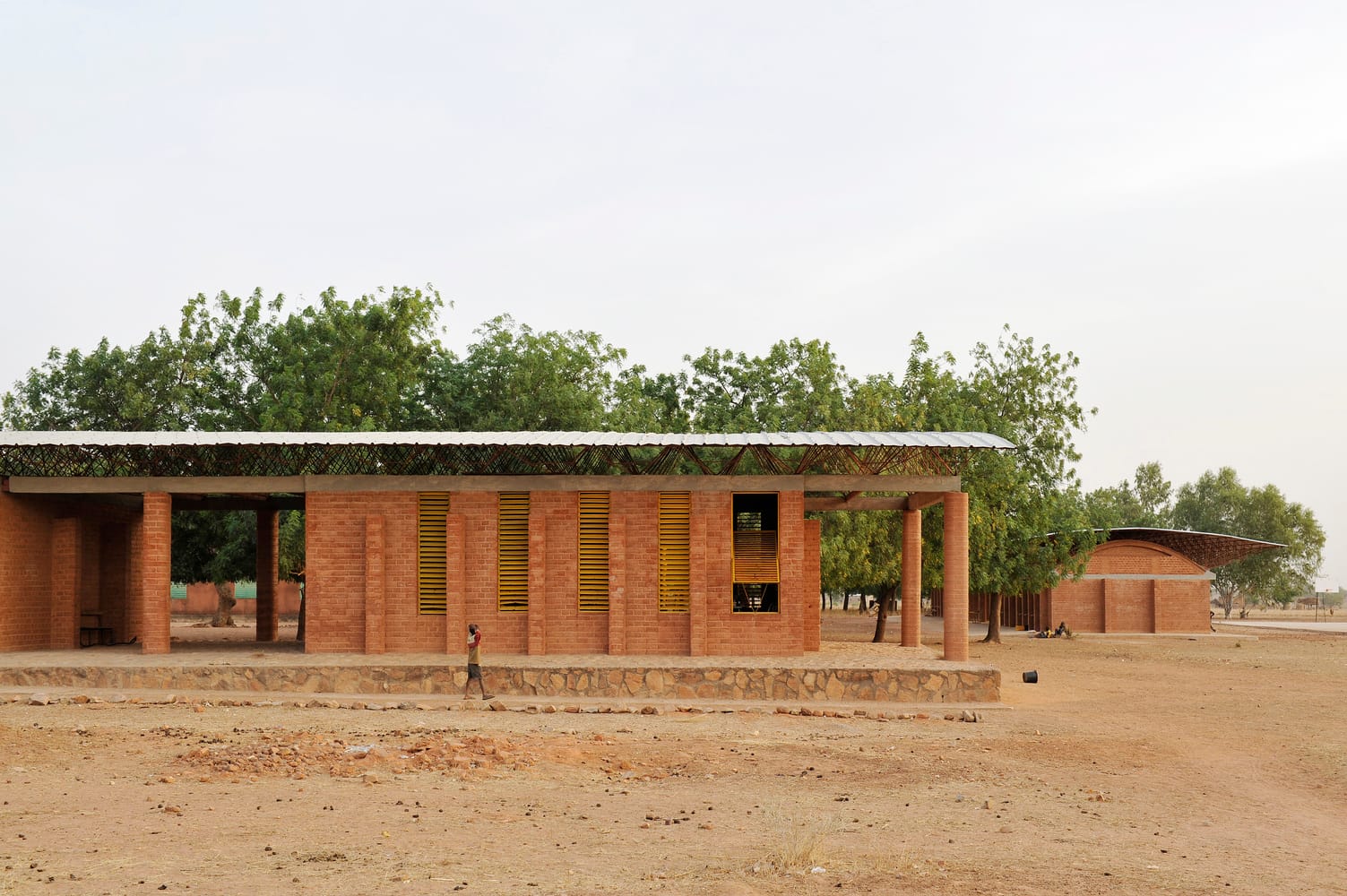
Cross ventilation is among the most widely used strategies. Openings placed on opposing sides of a building allow prevailing winds to move through interior spaces, carrying away heat and introducing cooler outdoor air. When combined with shading and appropriate building orientation, cross ventilation can substantially reduce indoor heat accumulation in warm climates.
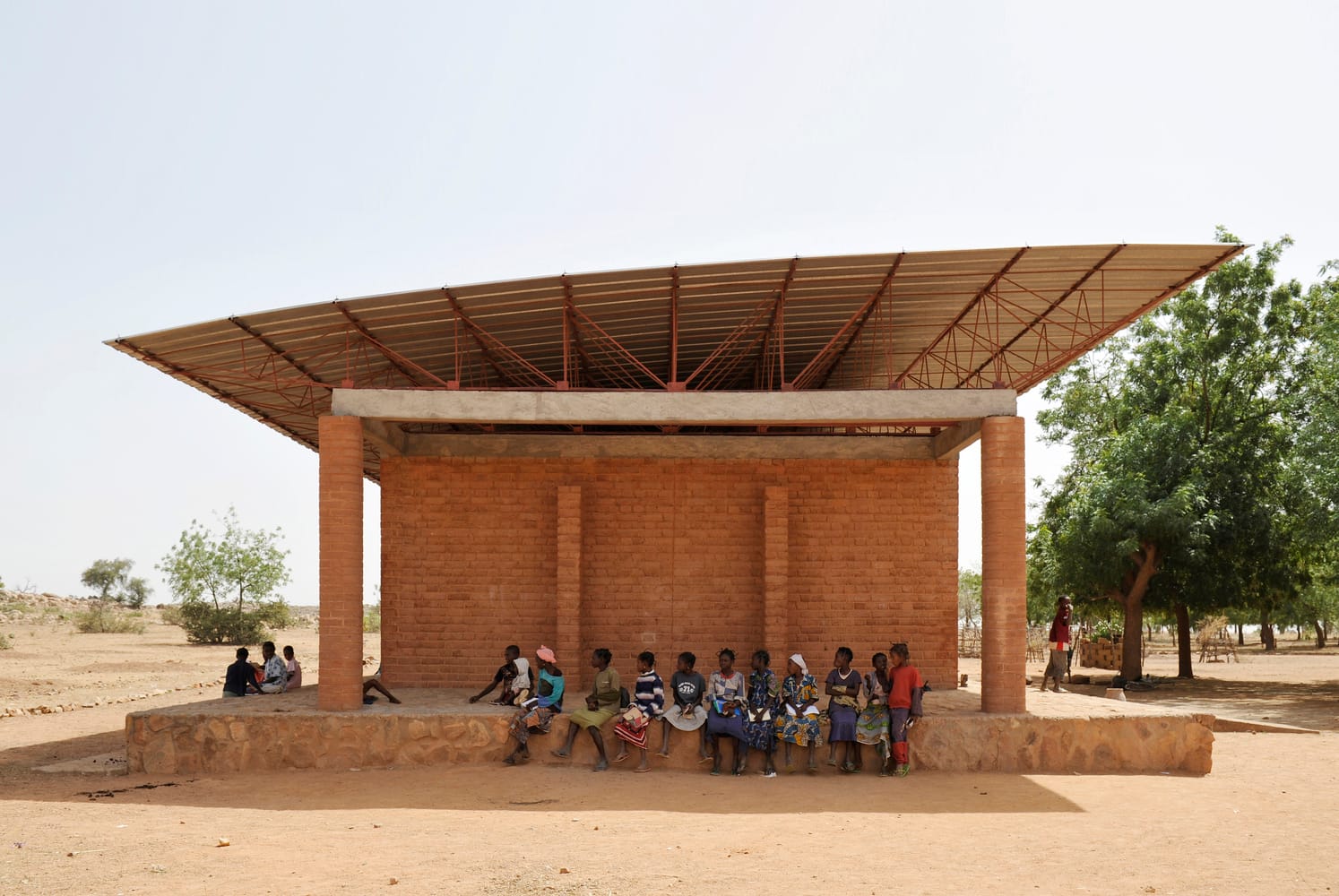
Buildings can also generate vertical airflow through the stack effect. Because warm air rises, structures can incorporate atriums, chimneys, or ventilation shafts that allow heated air to escape at higher elevations. As warm air exits, cooler air is drawn in through lower openings, producing continuous circulation driven by temperature differences rather than mechanical fans.
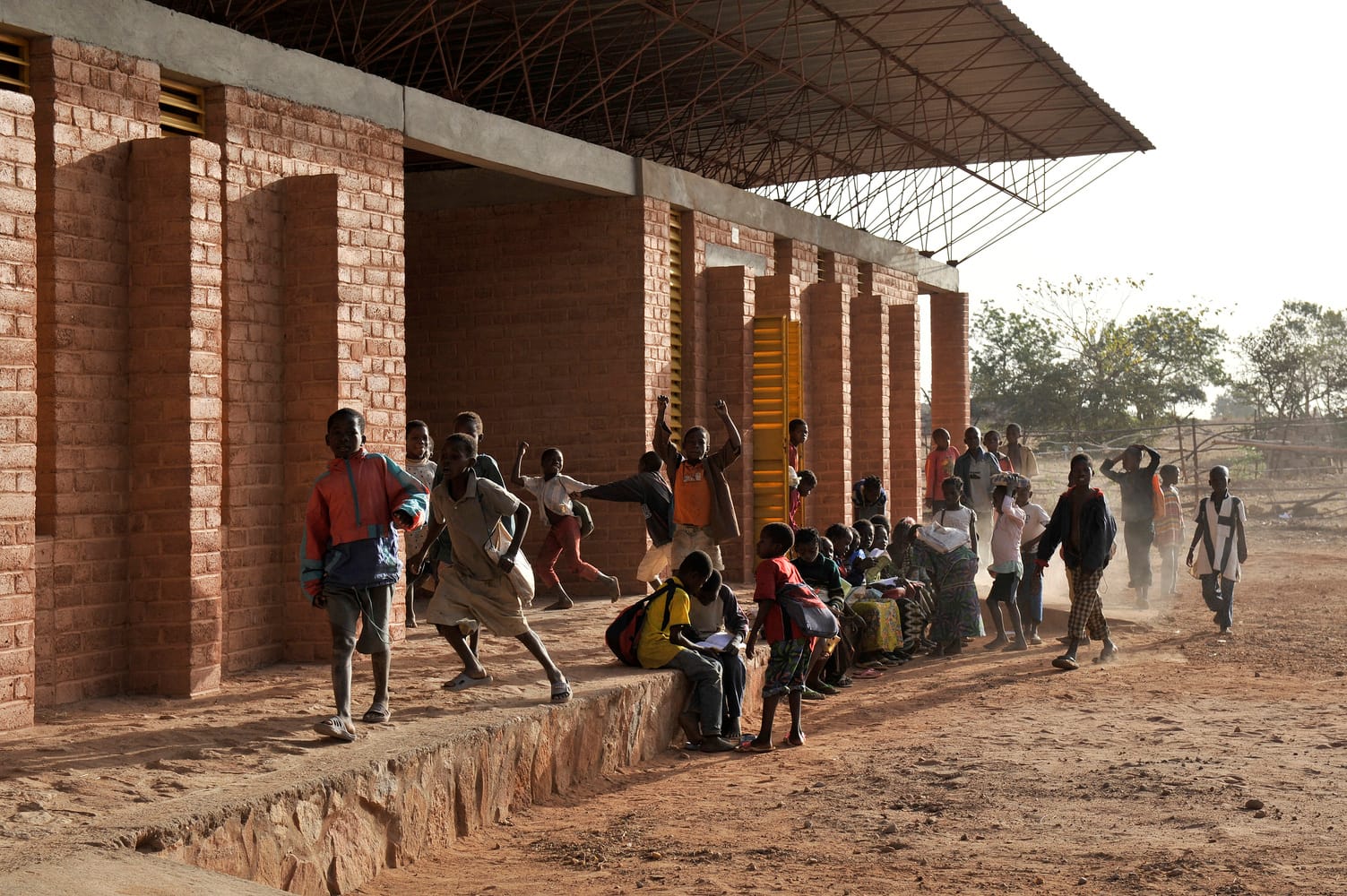
Contemporary architects continue to refine these principles. Architect Francis Kéré’s Gando Primary School in Burkina Faso, first completed in 2001, uses compressed earth walls and a raised metal roof structure separated from the ceiling below. The gap between roof and ceiling allows heat to accumulate and escape while shaded openings draw cooler air through the classrooms. In regions where wind conditions vary, buildings may incorporate ventilation towers or high-level openings designed to capture breezes and direct them into interior spaces. These systems operate through pressure differences created by wind and temperature gradients rather than electrical equipment.
Thermal Mass and the Physics of Materials
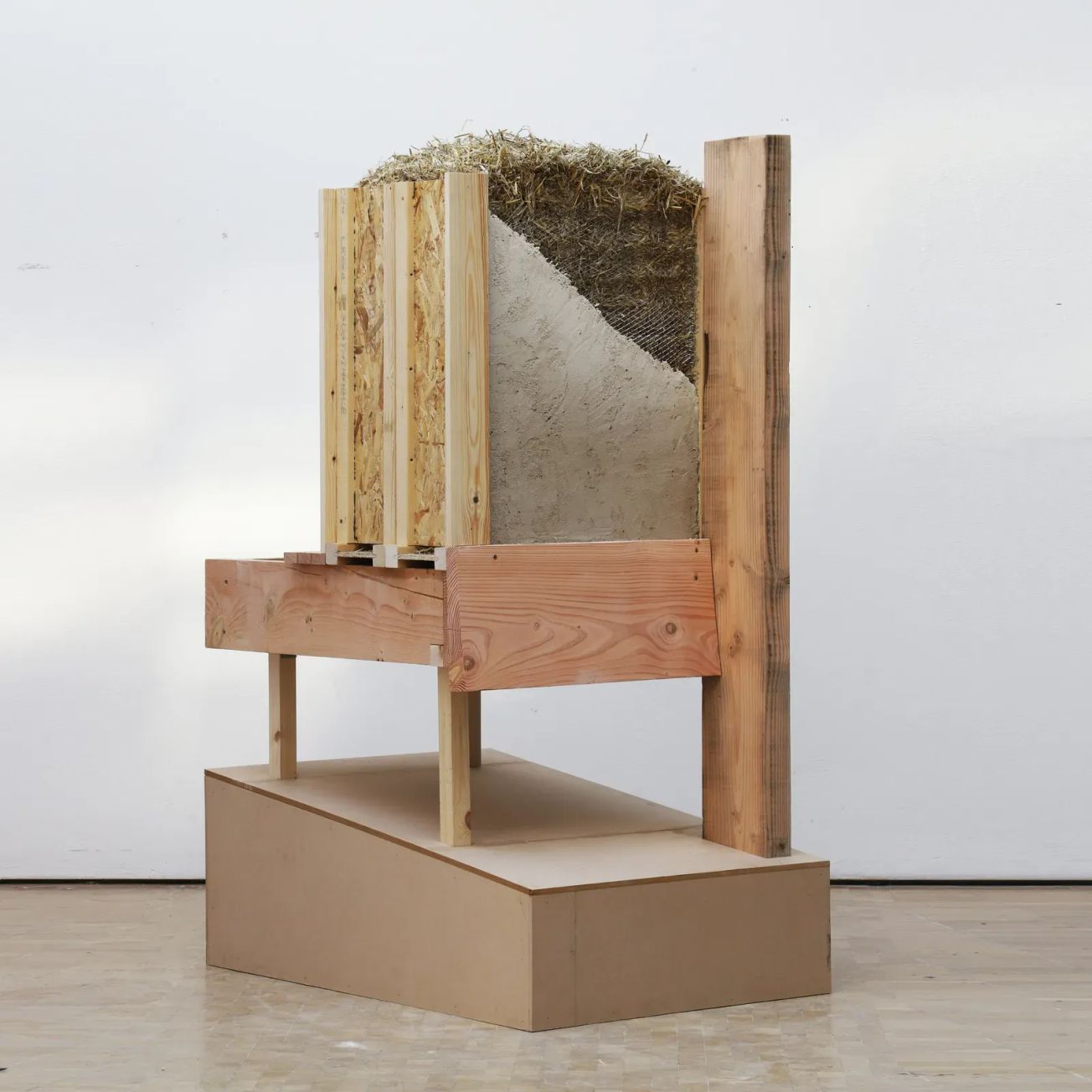
Another key strategy in climate-responsive architecture involves the thermal behavior of building materials. Materials such as stone, adobe, rammed earth, and concrete have high thermal mass, allowing them to absorb heat slowly and release it gradually over time.
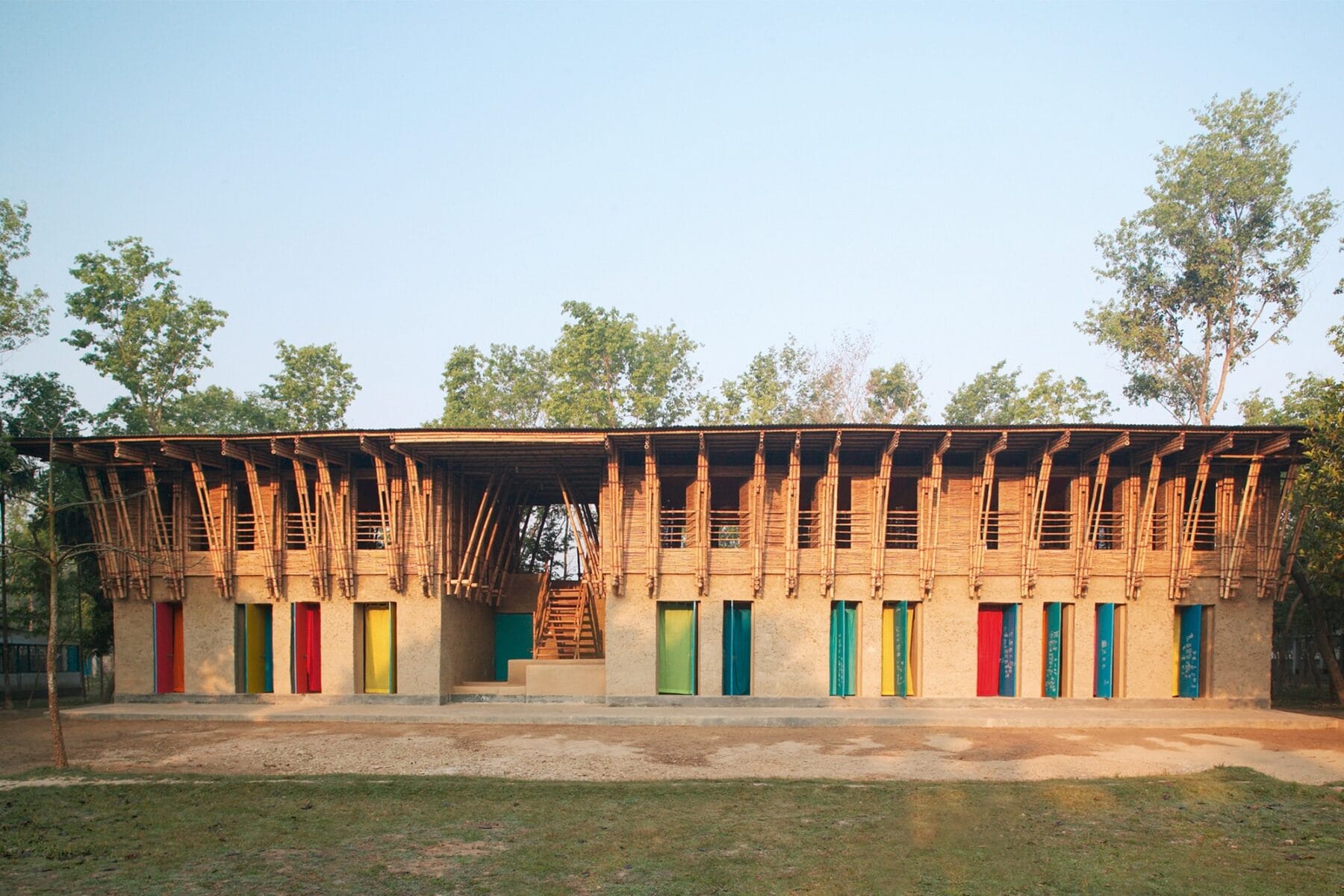
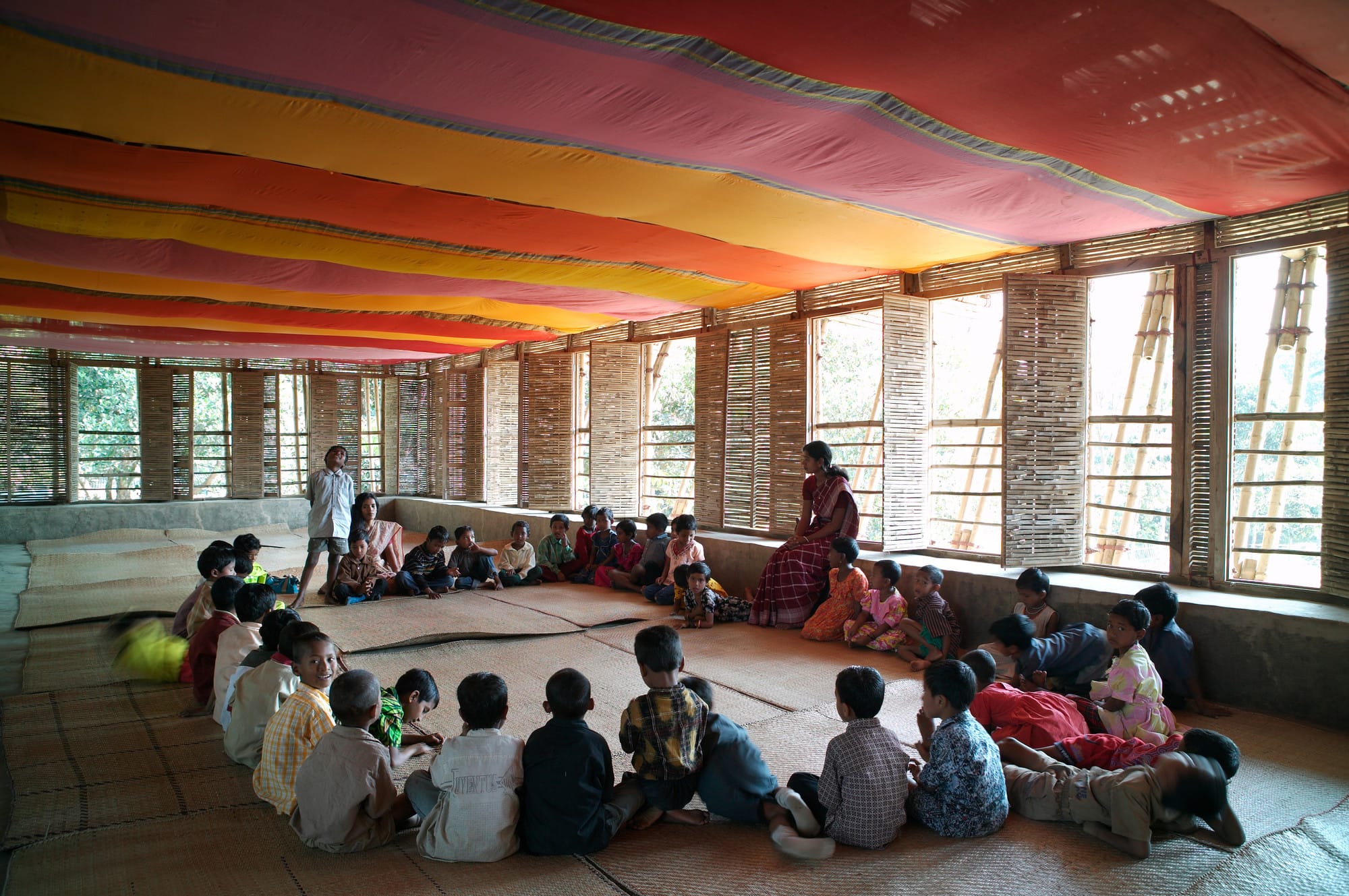
In hot climates, this property moderates indoor temperatures by delaying the transfer of external heat into interior spaces. Thick earthen or masonry walls absorb heat during the day and release it later in the evening as outdoor temperatures fall, reducing temperature fluctuations between day and night. Architects continue to explore these material properties in contemporary construction. Anna Heringer’s METI Handmade School in Rudrapur, Bangladesh, completed in 2006, combines earthen walls with bamboo structural elements derived from regional building traditions. The thick earthen walls provide thermal mass that slows heat transfer, while permeable bamboo upper levels and elevated openings allow air to circulate through the building.
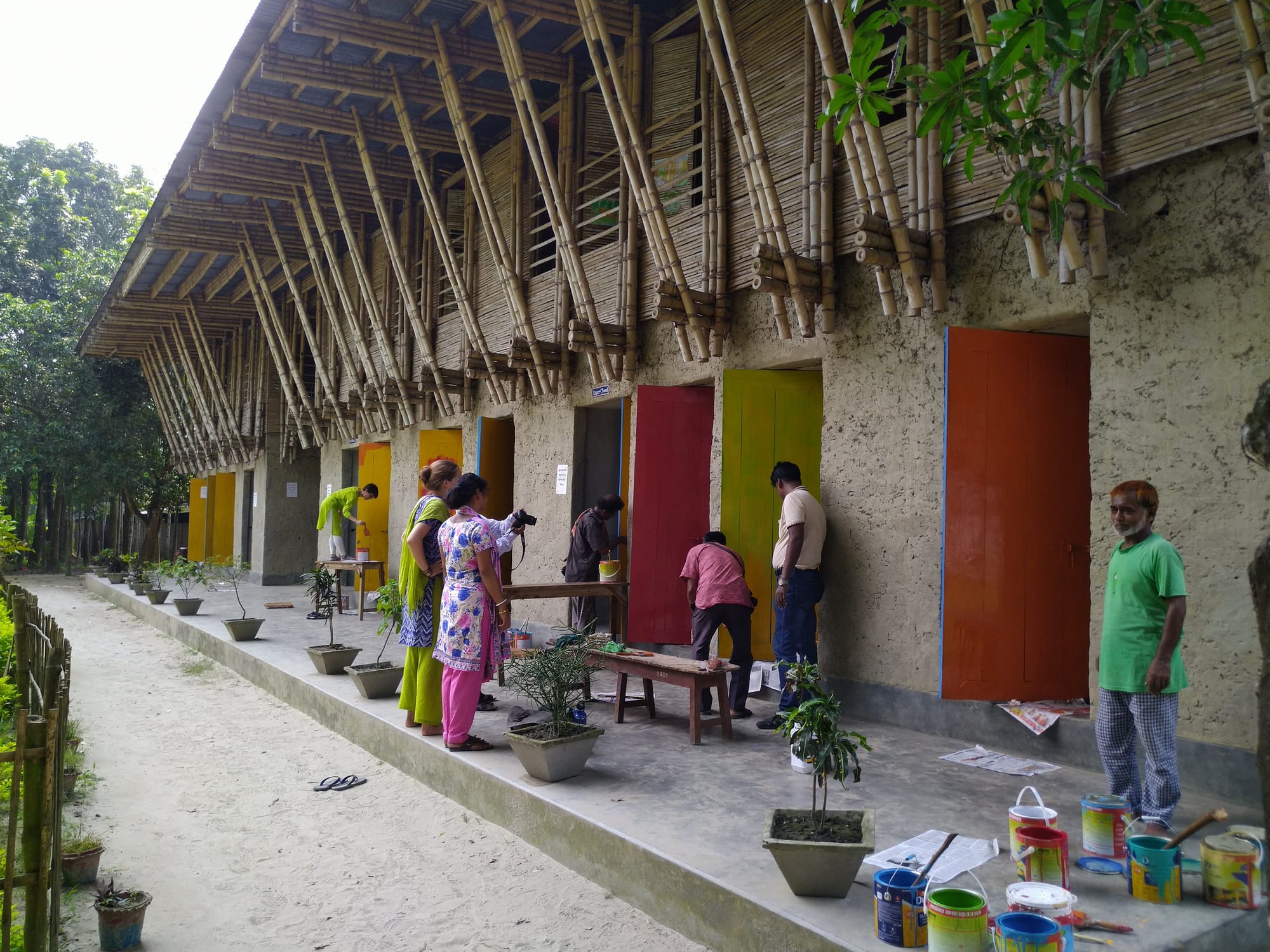
Thermal mass often works in combination with ventilation strategies. When buildings cool at night through natural airflow, heavy materials release heat stored during the day. This daily cycle of heat absorption and release allows the structure itself to participate in regulating interior climate.
Controlling Solar Radiation Through Architecture
Reducing solar heat gain before it enters a building is often more effective than removing it after interior temperatures rise. Climate-responsive architecture therefore addresses solar radiation directly through façade design, shading systems, and spatial depth.
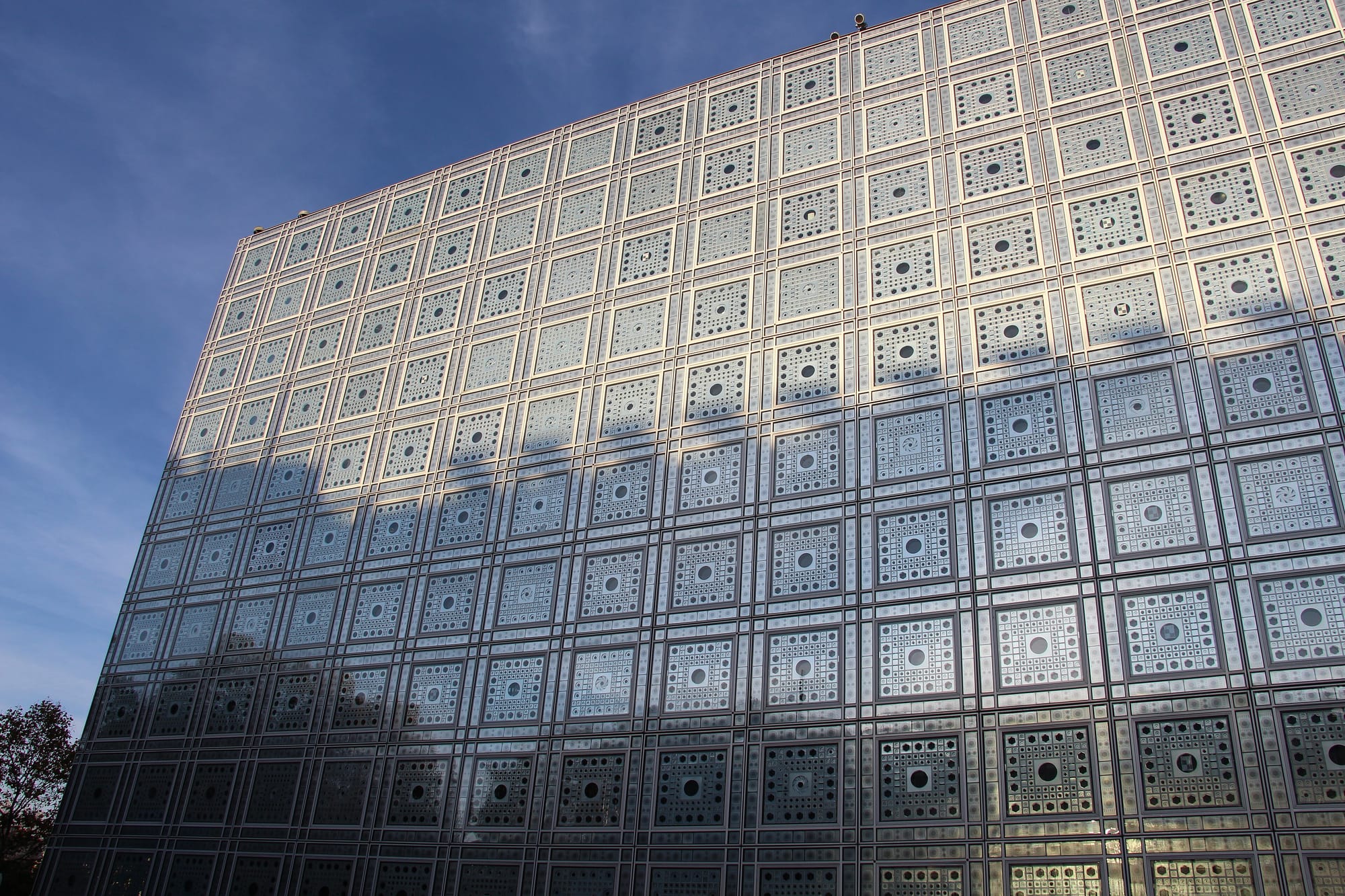
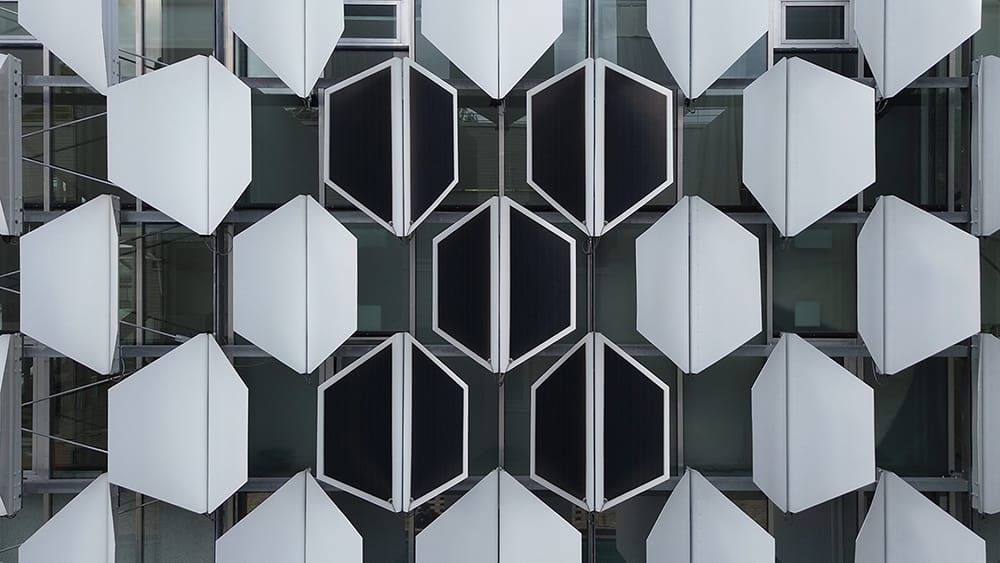
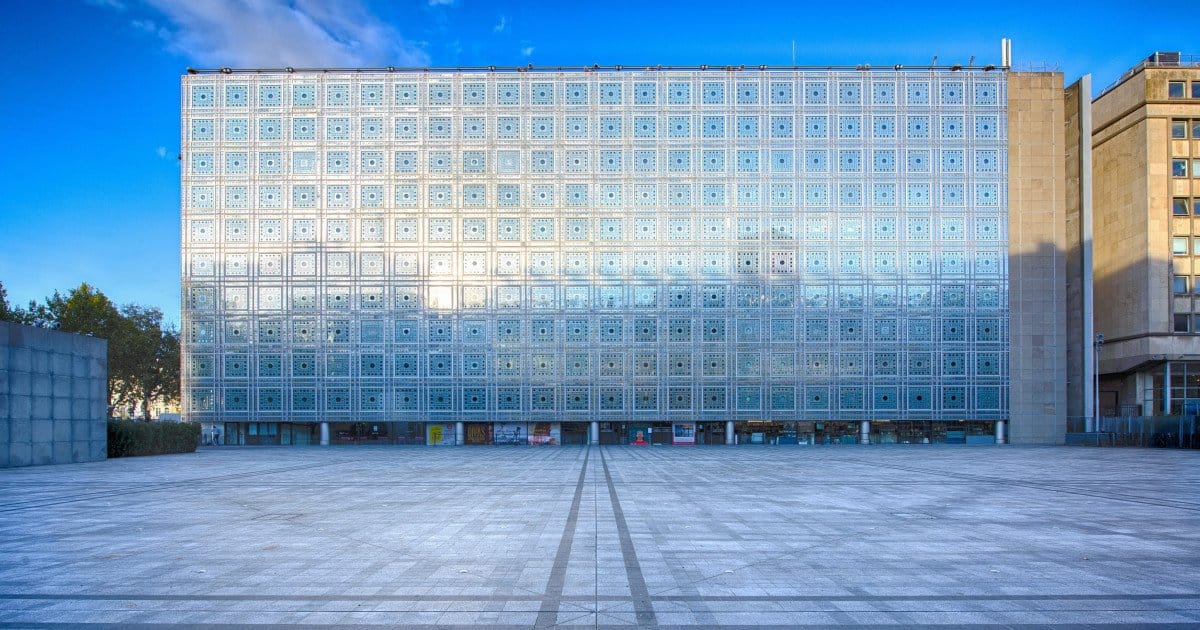
Shading devices such as overhangs, screens, and vertical fins limit direct sunlight on walls and windows, reducing the amount of heat absorbed by the building envelope. In many climates, carefully designed shading strategies can significantly reduce cooling demand while still allowing daylight into interior spaces. The Institut du Monde Arabe in Paris, designed by Jean Nouvel and Architecture-Studio and completed in 1987, remains one of the most widely cited architectural experiments in solar control. Its south-facing façade incorporates hundreds of mechanical diaphragms inspired by traditional mashrabiya screens. Photoelectric sensors adjust the apertures in response to changing light conditions, regulating daylight and solar gain.
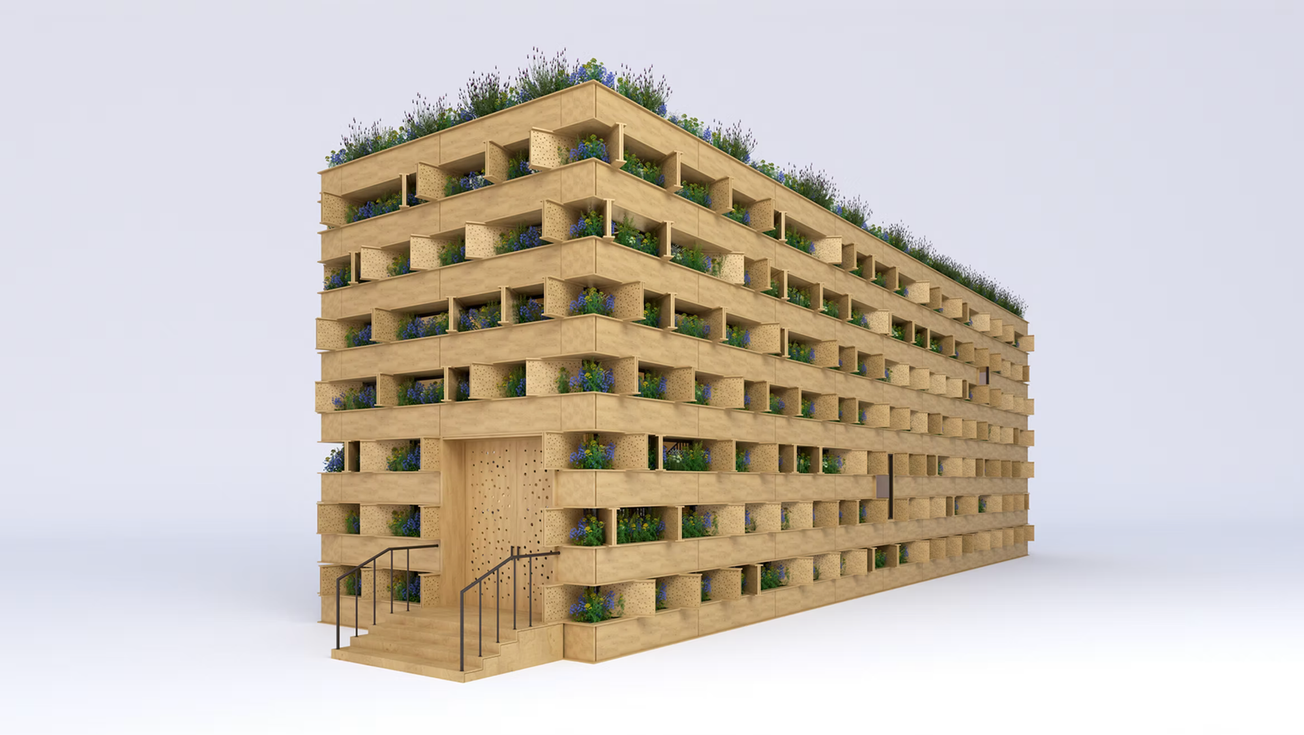
More recent buildings often rely on simpler passive systems. Deep window recesses, perforated screens, and layered façades create shaded buffer zones that limit solar exposure while allowing filtered daylight to reach interior spaces.
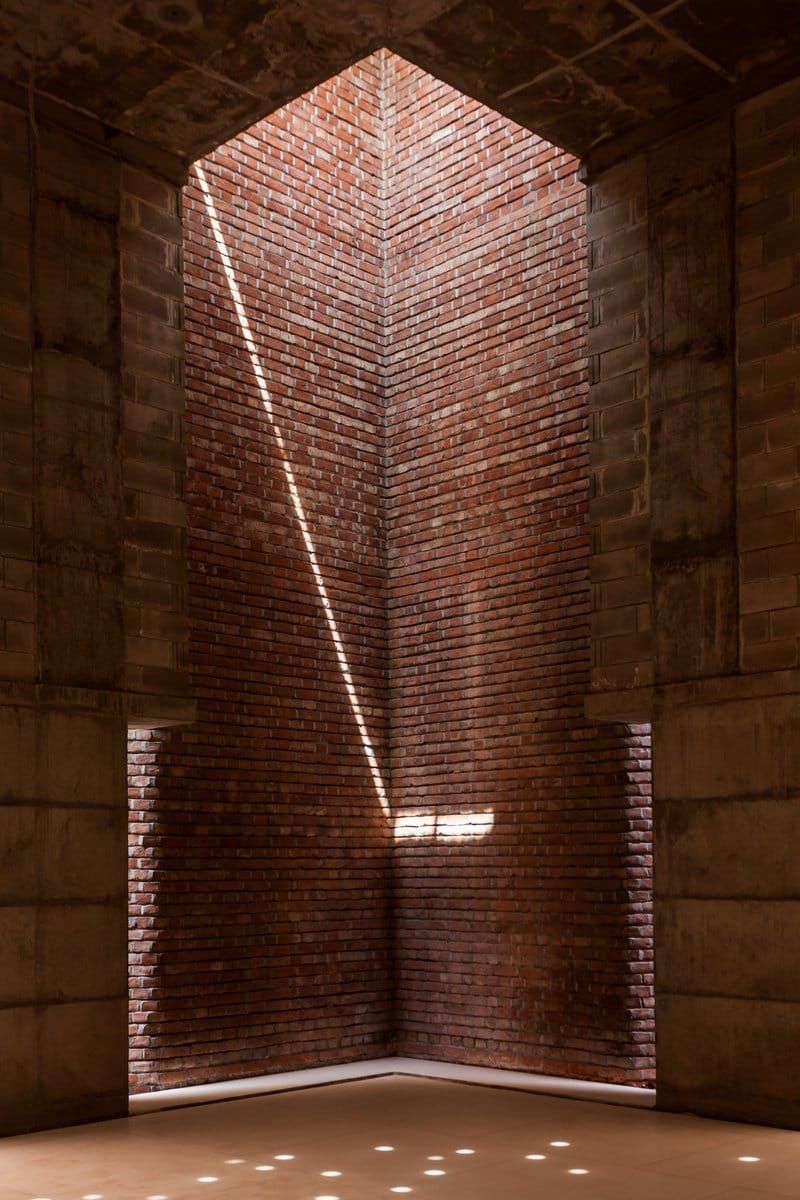
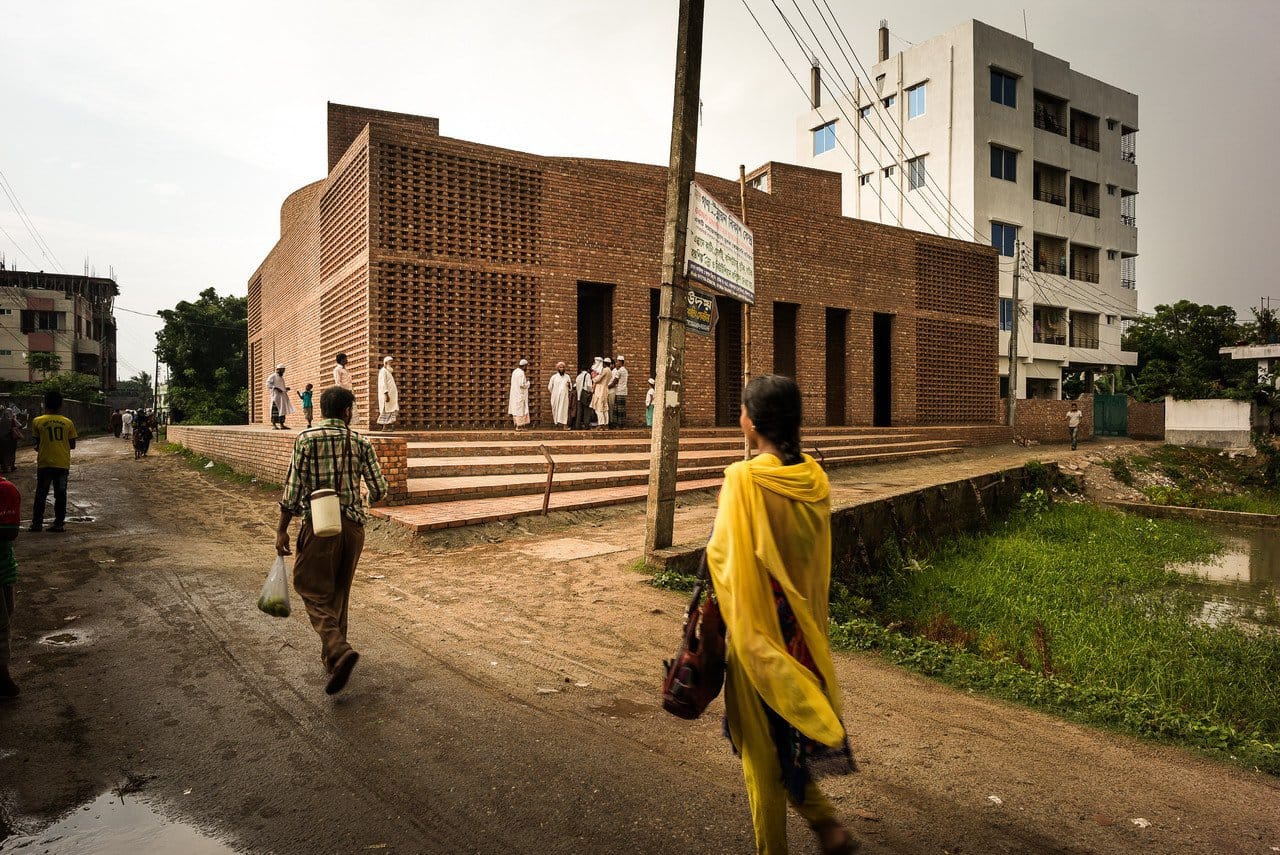
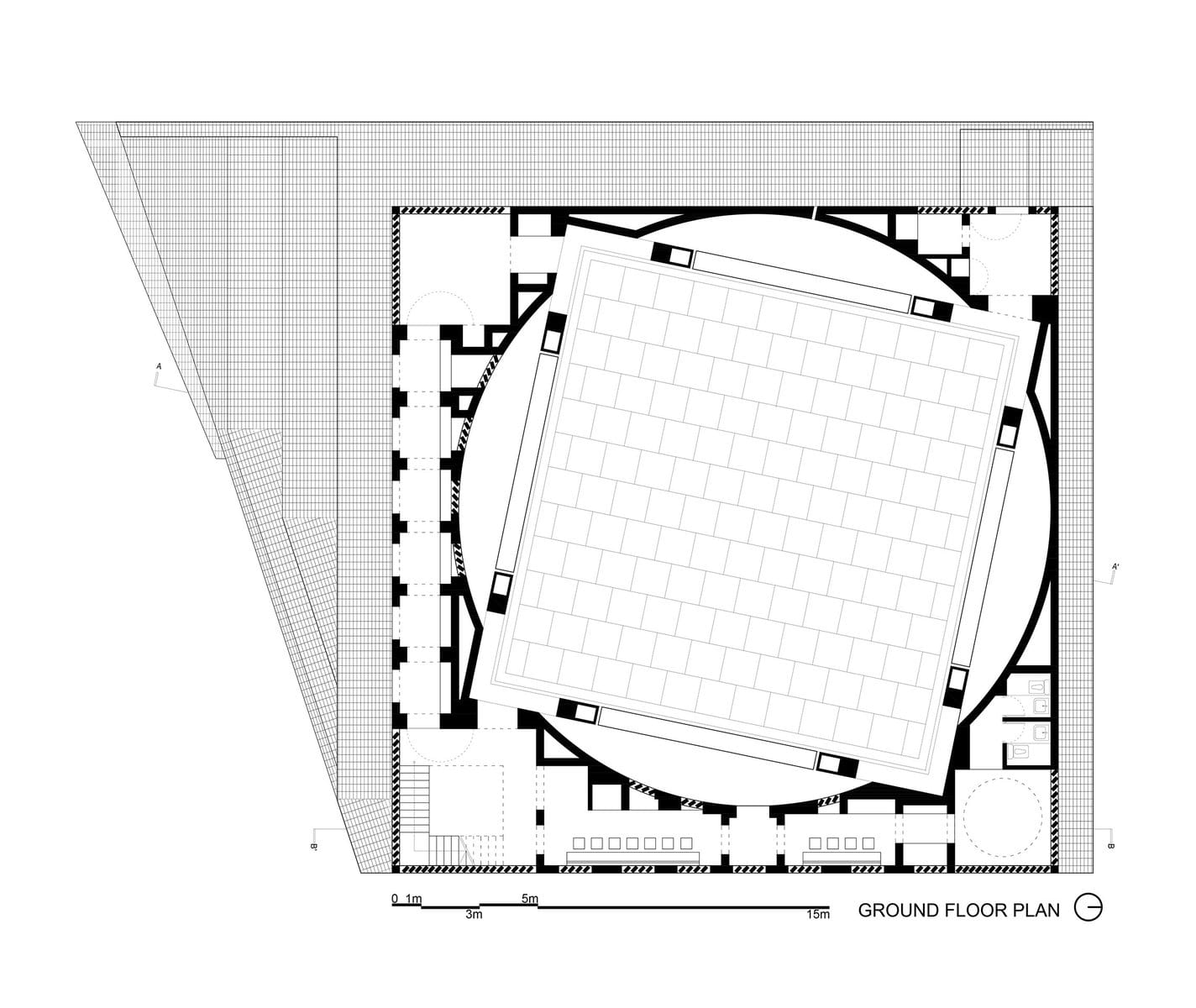
Architect Marina Tabassum’s Bait Ur Rouf Mosque in Dhaka, completed in 2012, provides a contemporary example. Constructed primarily from brick, the building uses thick masonry walls, carefully positioned openings, and natural ventilation to moderate interior conditions. Light enters through perforated brick surfaces and roof apertures, producing diffuse illumination while limiting direct solar heat gain.
Reintegrating Environmental Intelligence into Building Design
The renewed interest in climate-responsive architecture reflects broader shifts in how buildings are designed and operated. According to the United Nations Environment Programme’s Global Status Report for Buildings and Construction, buildings and construction together account for roughly 37 percent of global energy-related carbon dioxide emissions, much of it associated with heating and cooling.
Digital tools remain central to the design process. Architects routinely use environmental simulation platforms such as EnergyPlus and Ladybug Tools to model airflow, solar exposure, and thermal performance. The resulting buildings, however, regulate environmental conditions through physical relationships—air movement, thermal mass, and solar shading—rather than electronic control systems. This approach also draws on architectural traditions developed long before modern mechanical infrastructure. Courtyard houses across the Middle East and North Africa create shaded microclimates and encourage airflow. Windcatchers in Iran and the Gulf channel prevailing breezes into interior spaces. Earthen construction in arid regions uses thermal mass to moderate daily temperature swings.
Contemporary architects are not simply replicating historical forms. Instead, they reinterpret these environmental principles using modern materials, structural systems, and computational analysis. Passive design strategies are increasingly integrated with contemporary construction techniques and performance modeling. As climate pressures intensify and energy demand rises, buildings that regulate temperature, airflow, and light through their own physical properties are attracting renewed attention. In these projects, environmental control is not a technological layer added after construction. It is embedded directly in the design logic of the building itself.