Wendy Yu describes her practice as transforming movement into “living visuals.” Trained in dance at the Victorian College of the Arts, Yu has built a cross-disciplinary career spanning choreography, projection design, creative coding, and large-scale spatial installations. Her work operates across public art commissions, brand activations, performance design, and research-driven experimentation.
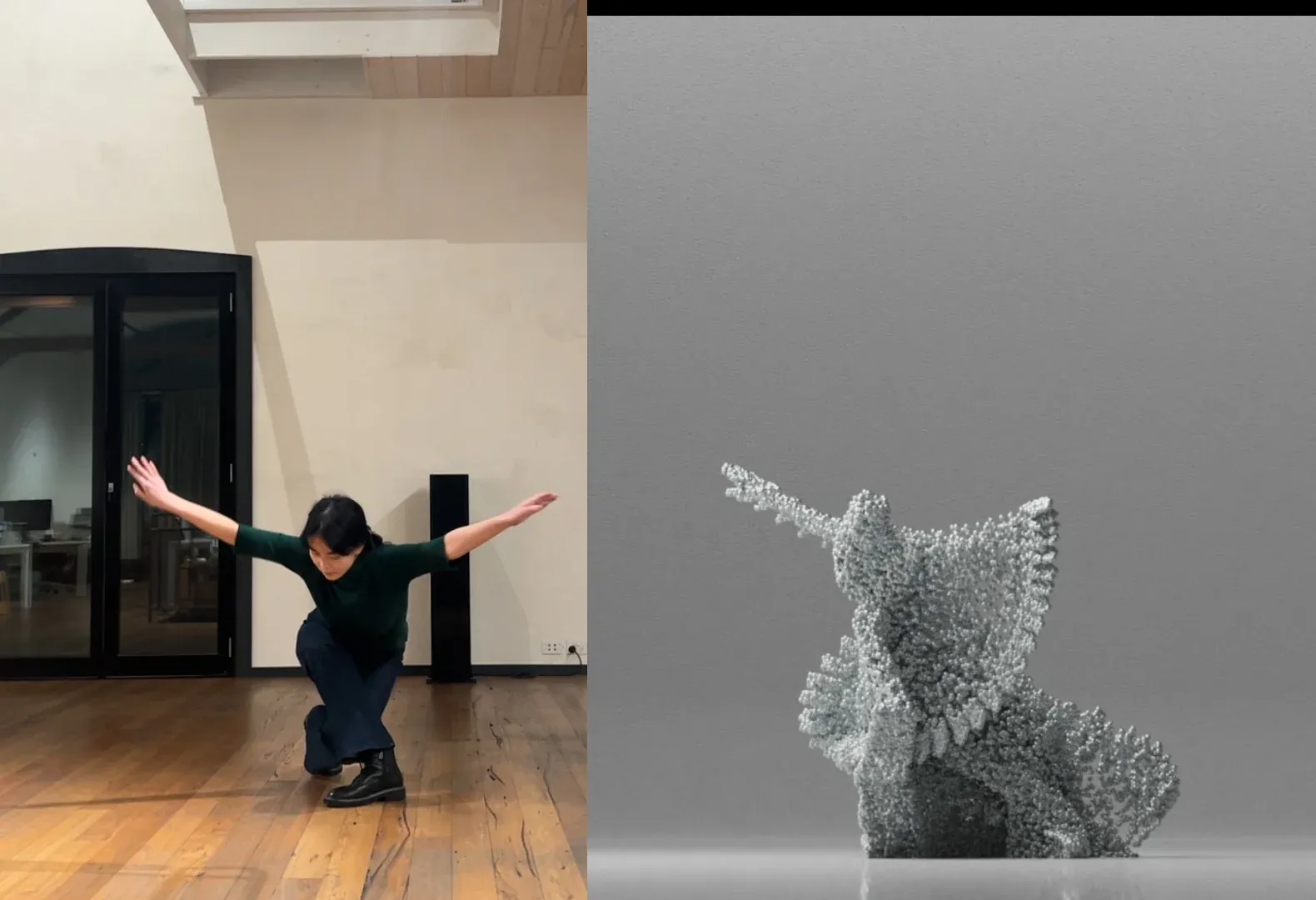
Rather than separating choreography from technical production, Yu integrates them. Movement informs system behavior; visual systems are structured through timing, sequencing, and embodied logic. Across her portfolio, choreography functions not only as performance content but as an organizing framework for responsive environments. Her projects frequently combine projection mapping, motion capture, generative visual systems, and site-specific architectural integration. The through-line is consistent: movement is translated into structured visual output across physical surfaces and digital platforms.
Public Projection as Data Visualization
Yu’s large-scale public works demonstrate how choreography intersects with architectural media and urban data. The Acts of Holding Dance, currently exhibited at the Art Gallery of New South Wales is a digital placemaking project that visualizes human movement data on the museum’s exterior surfaces. According to her project documentation, the work renders traces of community activity as persistent visual layers integrated with the building façade. The installation situates motion data within architectural context rather than isolating it within screen-based environments.
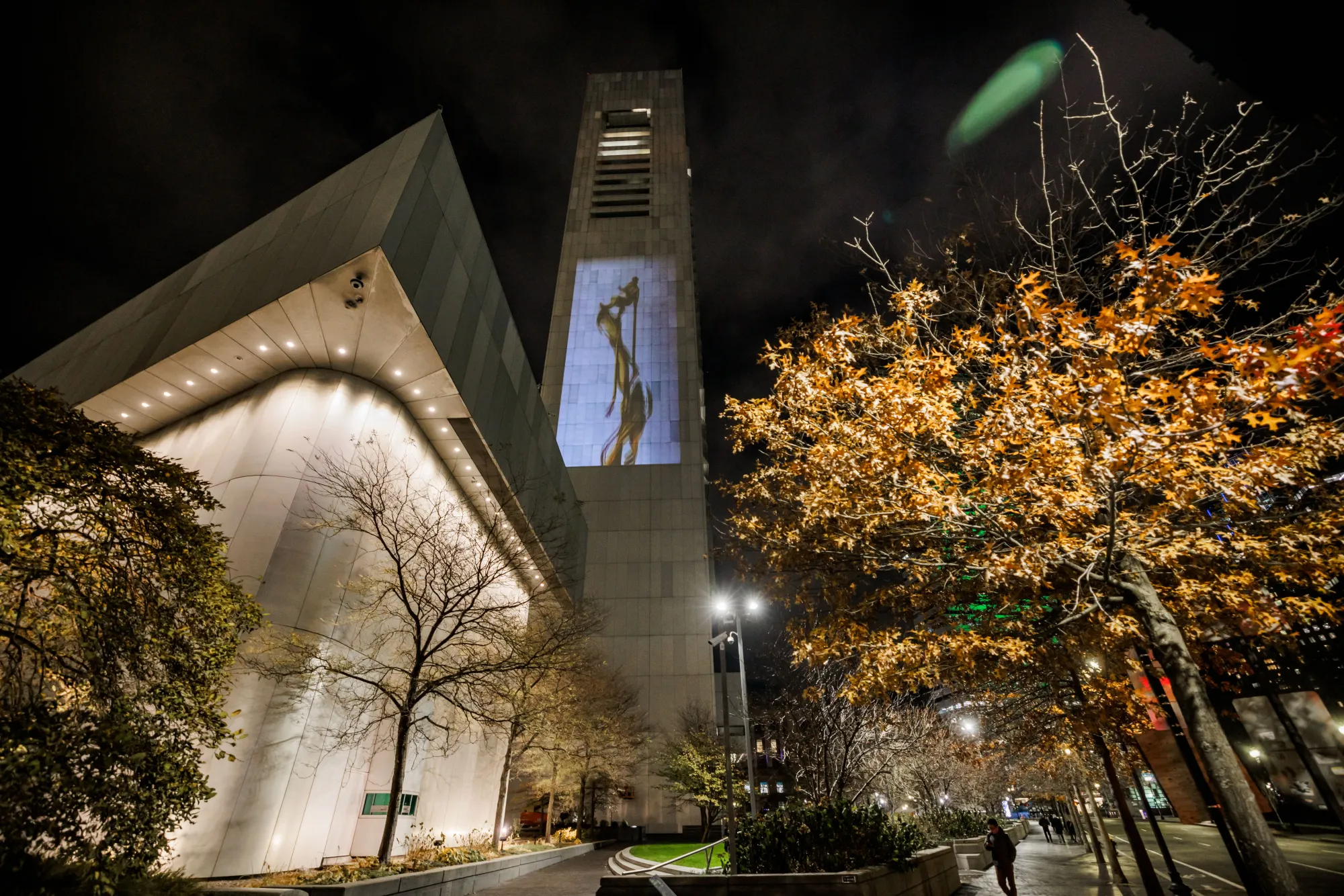
Similarly, the Boston Rose Kennedy Greenway Projection translates patterns of human movement into projected narratives across public space. The project uses projection mapping to anchor data-driven visuals to specific architectural sites, making patterns of circulation legible at urban scale.
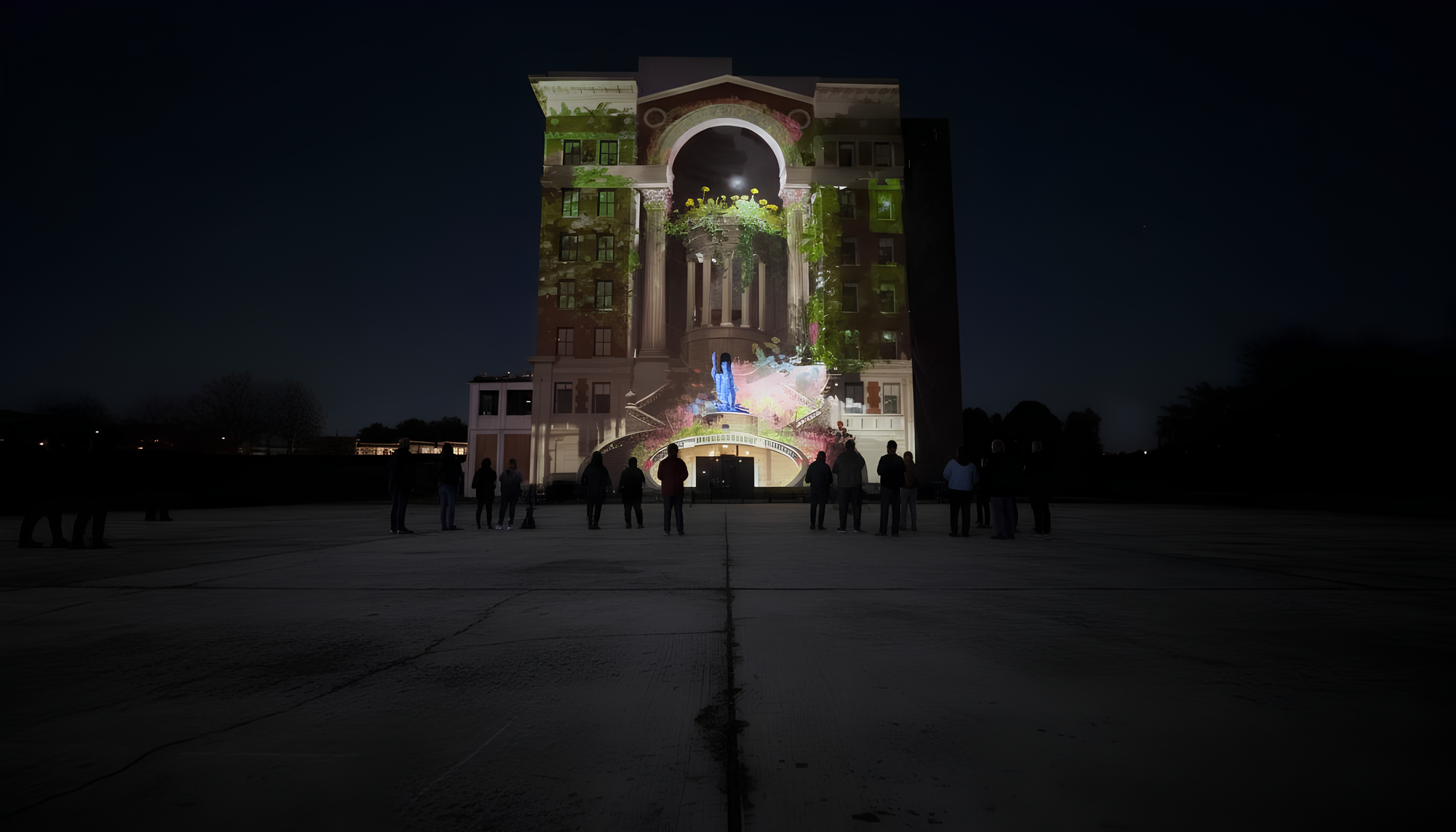
At BLINK Cincinnati, an international light and art festival, Yu developed a projection mapping work structured around kishotenketsu, a four-part narrative framework that progresses without conflict. The piece animates a local legend through evolving architectural imagery, applying narrative sequencing principles to large-format projection design. These projects illustrate a consistent methodology: architectural surfaces become temporal canvases, and movement patterns become visual structure.
Performance Design and Brand Activation
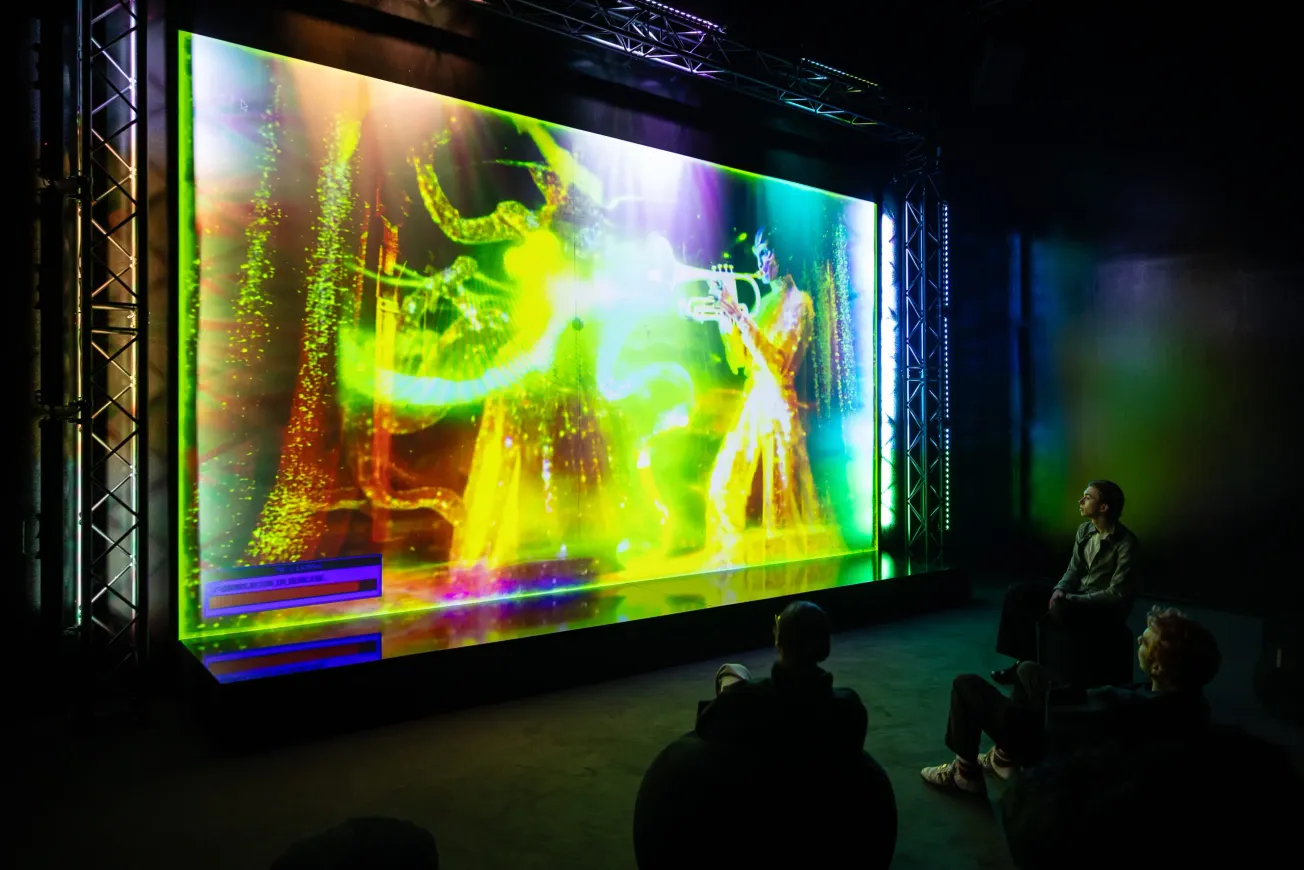
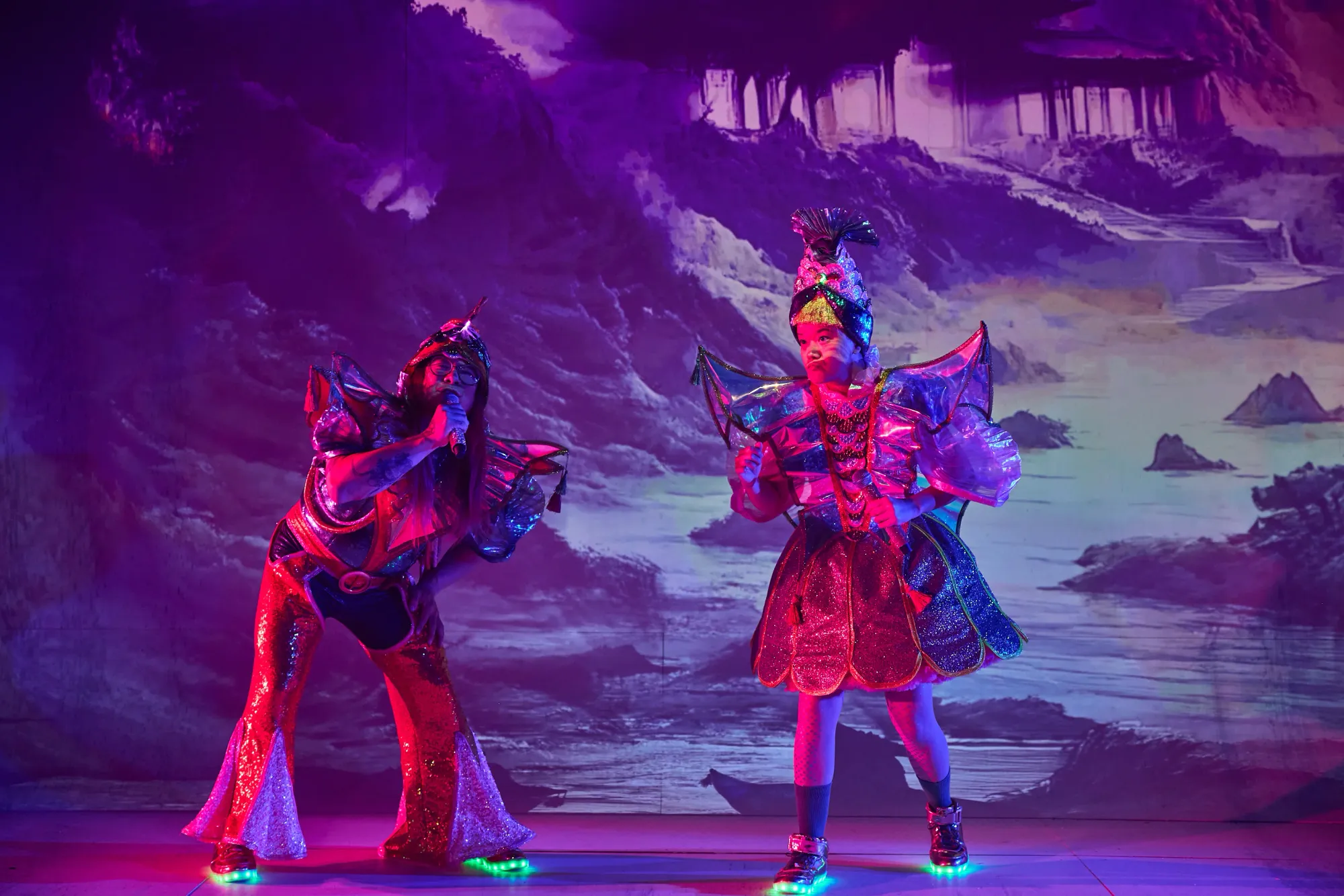
Yu’s practice extends into theatrical production and commercial campaigns, where choreography informs both visual language and audience engagement. For the 2025 international theatrical production Legends of the Golden Arches, she designed projection content and real-time visual systems that support stage choreography and narrative development. The project integrates animated environments with live performance, aligning visual sequencing with the timing of movement on stage.
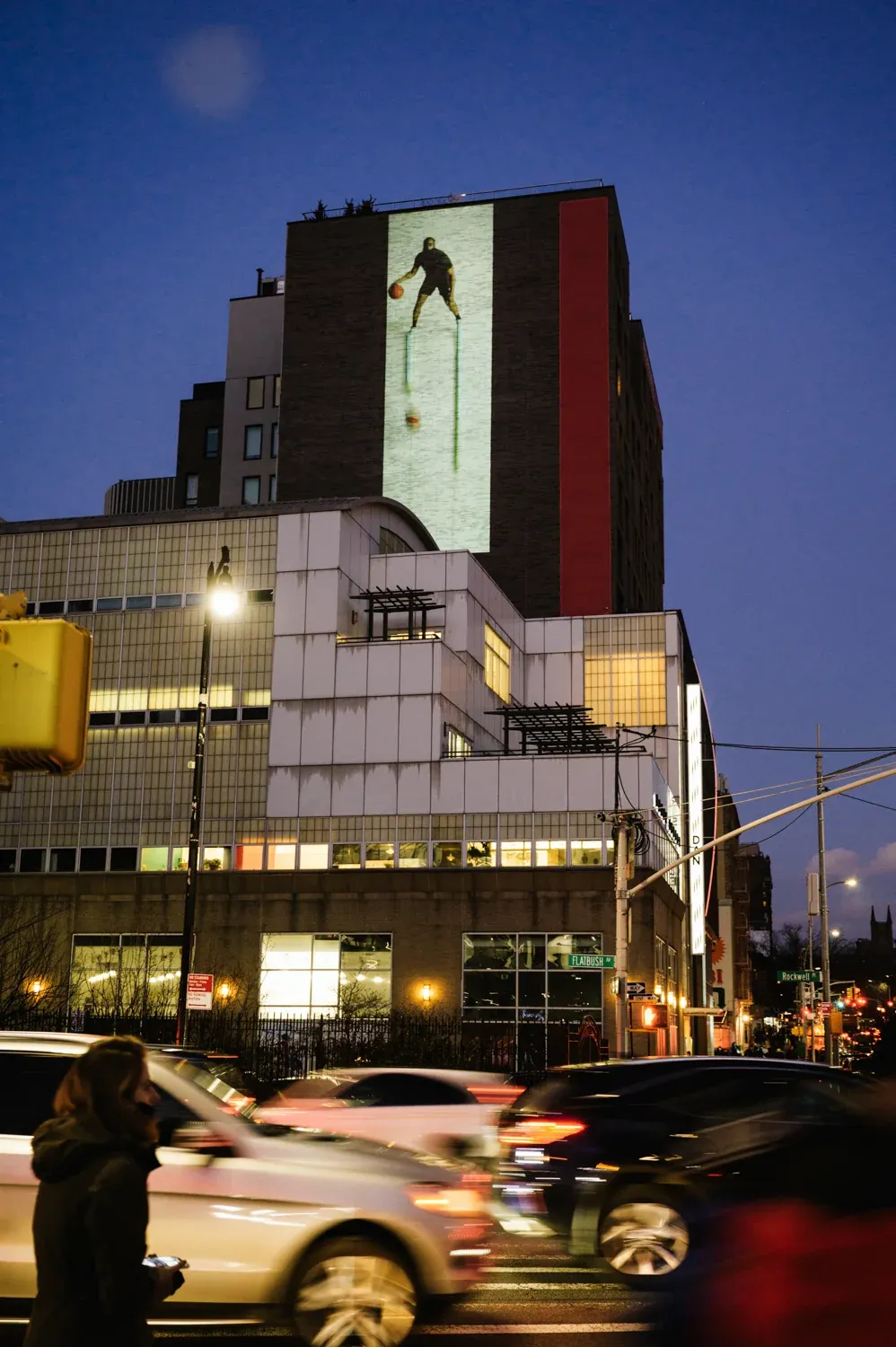
In 2022, Yu served as principal artist for the Adidas James Harden Vol. 6 campaign, producing projection-based activations around the Barclays Center in Brooklyn. The project translated athletic movement into large-scale projected visuals, integrating brand storytelling with choreographic motion principles.
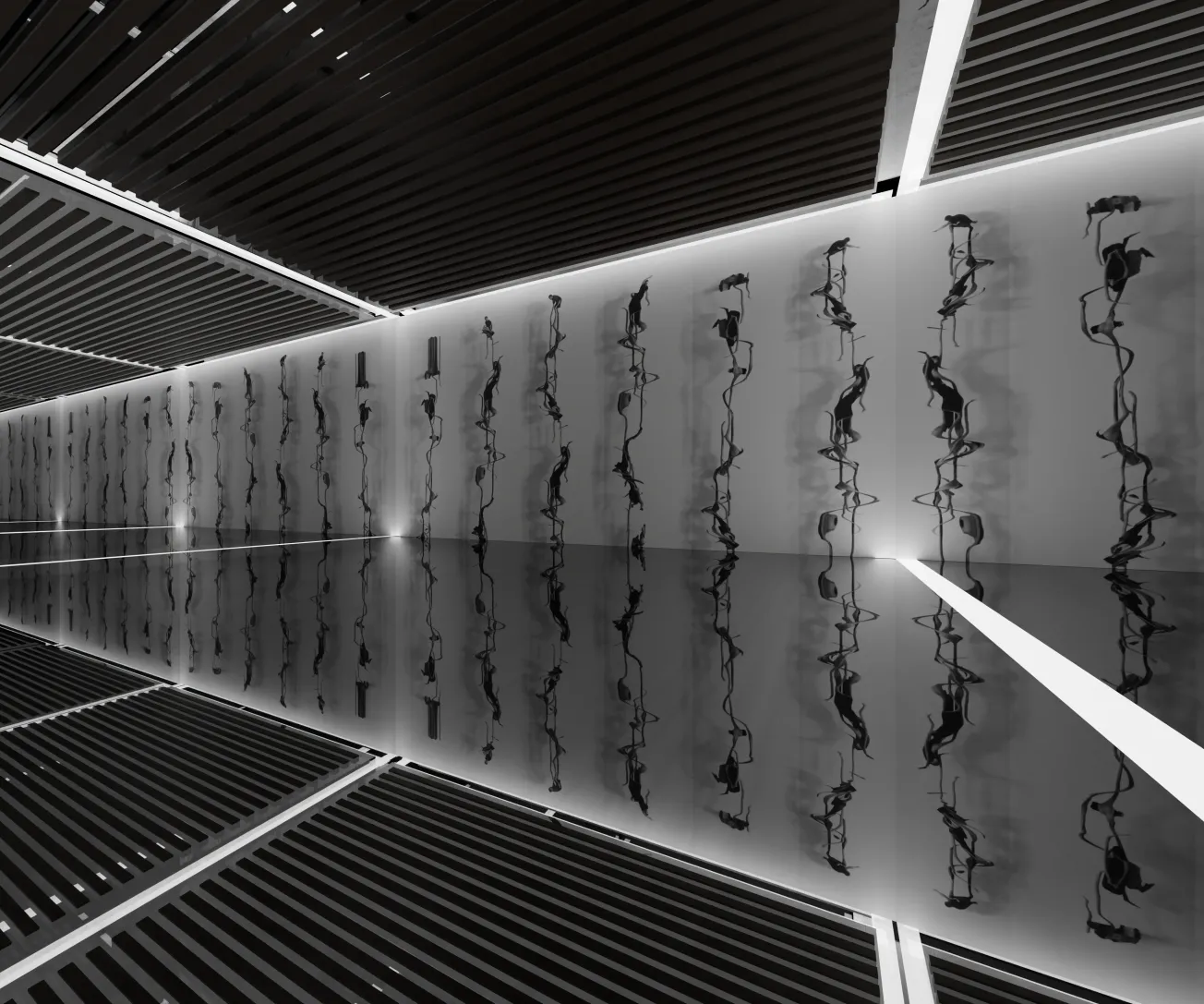
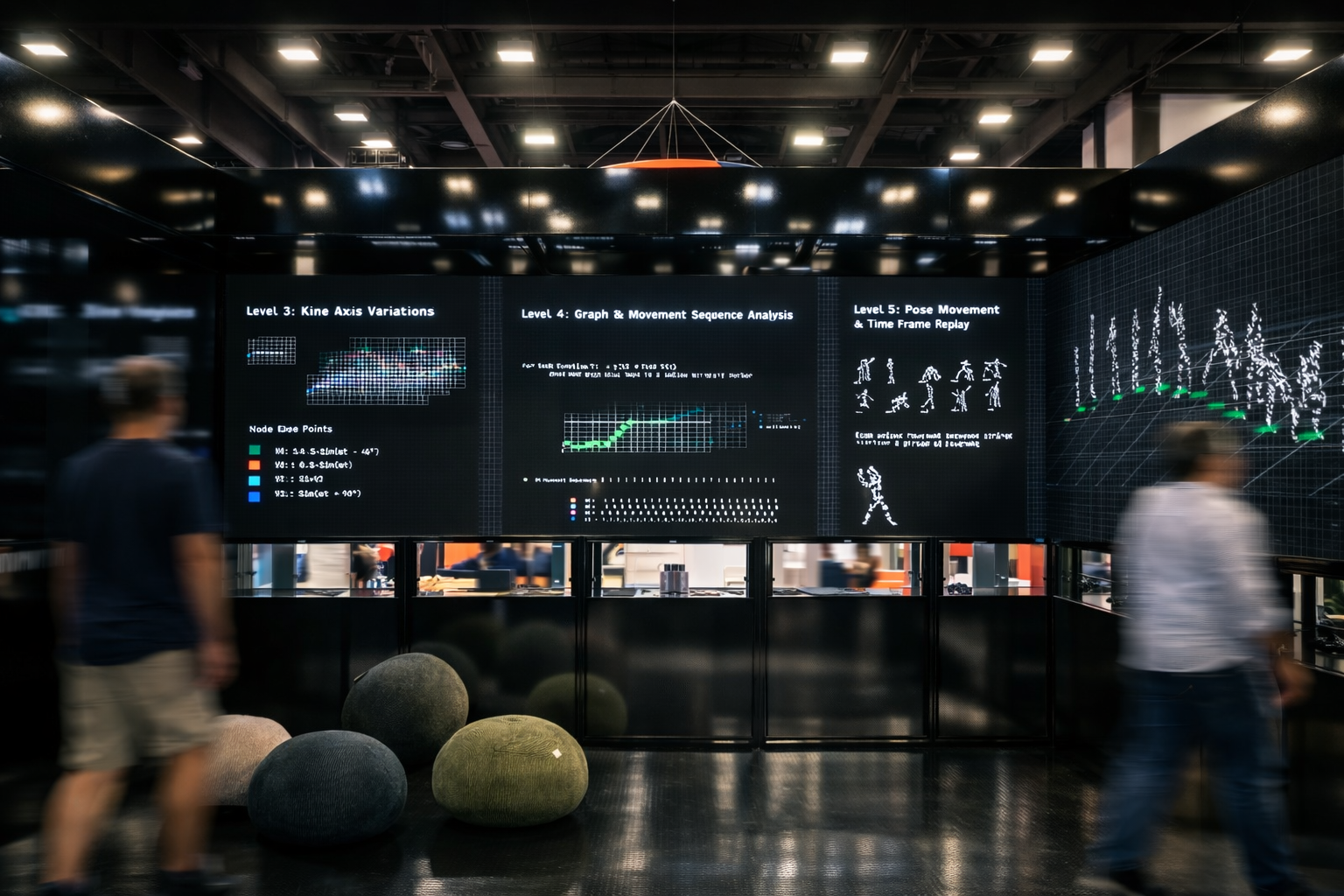
Her collaboration with Arcitecta for supercomputing industry events integrates motion-captured dancers within LiDAR-scanned architectural environments. These works align performance visuals with representations of high-performance computing systems, connecting embodied motion with technological infrastructure in event-scale environments. Across these contexts—cultural, theatrical, and corporate—Yu applies similar structural thinking: motion informs projection behavior; projection systems respond to spatial constraints; timing and sequencing remain central.
Research and Generative Inquiry
Beyond commissioned work, Yu develops research projects that explore how choreography can be analyzed, visualized, and systematized. Scalable Choreography: SC2025 investigates generative performance frameworks that visualize distributed computing systems through mathematically derived movement structures. The project aligns choreographic patterning with computational concepts, structuring multi-performer movement using algorithmic logic.
Breath x Dance (2023) maps biometric breath data to visual outputs, making physiological processes perceptible through projected media. The project demonstrates how internal bodily rhythms can serve as input for real-time visual systems.
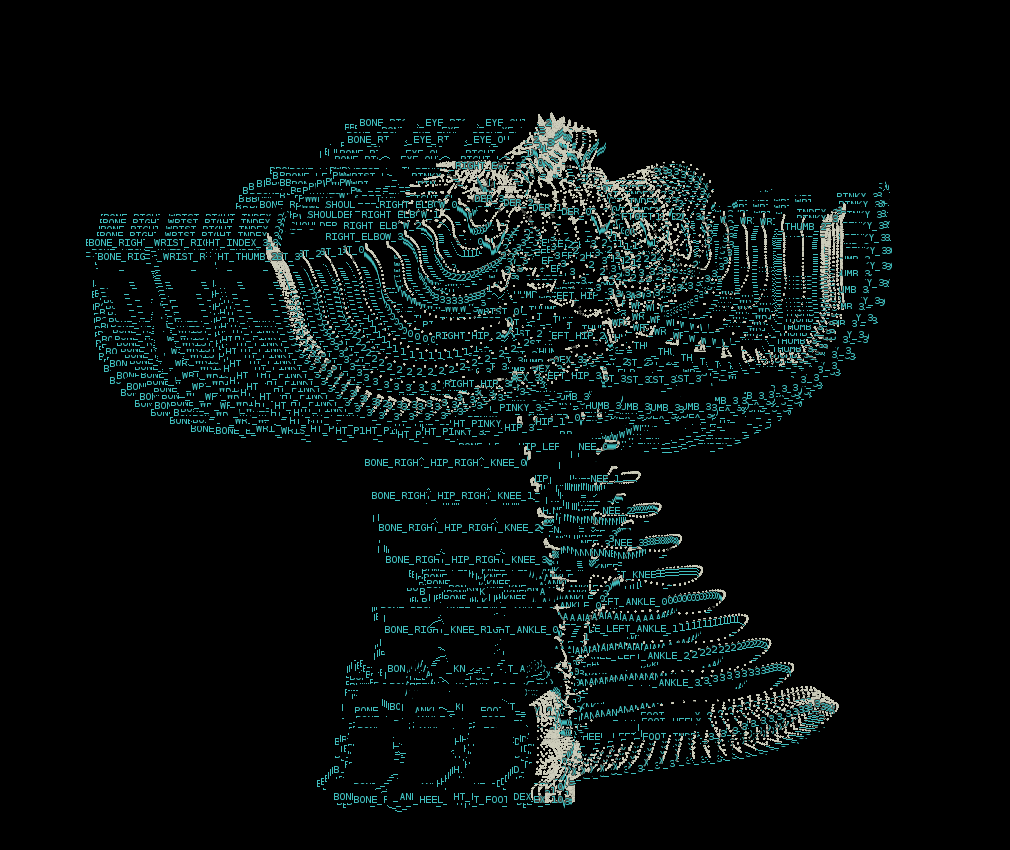
In Make Dance Comprehensible, Yu examines how choreographic structure can be translated into accessible visual languages. The research focuses on developing tools and representations that clarify temporal and spatial relationships within dance performance. These projects indicate a sustained interest in translating embodied processes into computational and visual form—without separating the body from the system that represents it.
Choreography as System Architecture
Across public installations, brand activations, theatrical productions, and research initiatives, Wendy Yu’s work centers on one consistent proposition: movement can structure technological systems. Her portfolio demonstrates that choreography can function as a design logic for projection mapping, data visualization, generative media, and immersive environments. Architectural surfaces become time-based media platforms. Motion becomes structured input. Narrative sequencing becomes programmable.
Yu’s designation as a choreographic technologist reflects this synthesis. The term does not position technology as a tool applied to dance; it frames choreography as an operational model for building responsive visual systems. By integrating movement, architectural media, and generative computation, Wendy Yu contributes to an evolving field in which embodied intelligence informs how interactive environments are designed, visualized, and experienced.