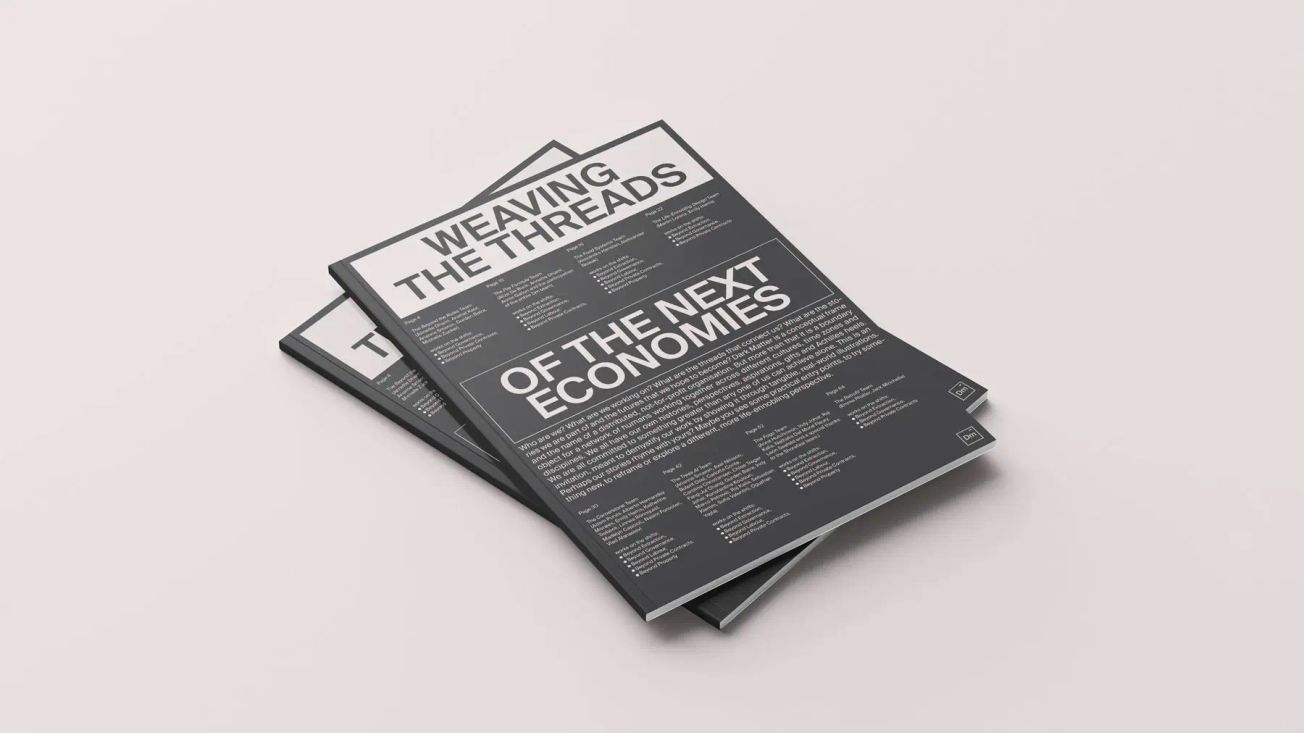
Speculative design has matured beyond the gallery-bound provocation. Increasingly, it is being operationalized as a way to prototype governance itself—treating design not as an outcome, but as a protocol: a set of rules, assumptions, feedback loops, and decision logics that shape how futures are negotiated before they are fixed. In this framing, designers are not predicting what comes next. They are constructing systems that can hold uncertainty, surface trade-offs, and make values legible while futures are still unwritten.
Across experimental studios and civic labs, this shift reframes design as a method for institutional inquiry. Rather than producing artifacts, these practices prototype conditions—testing how policies might behave, how publics might respond, and how infrastructures could be reconfigured when social, environmental, and technological variables collide. Three practices in particular demonstrate how speculative protocols are moving from theory into applied civic experimentation.
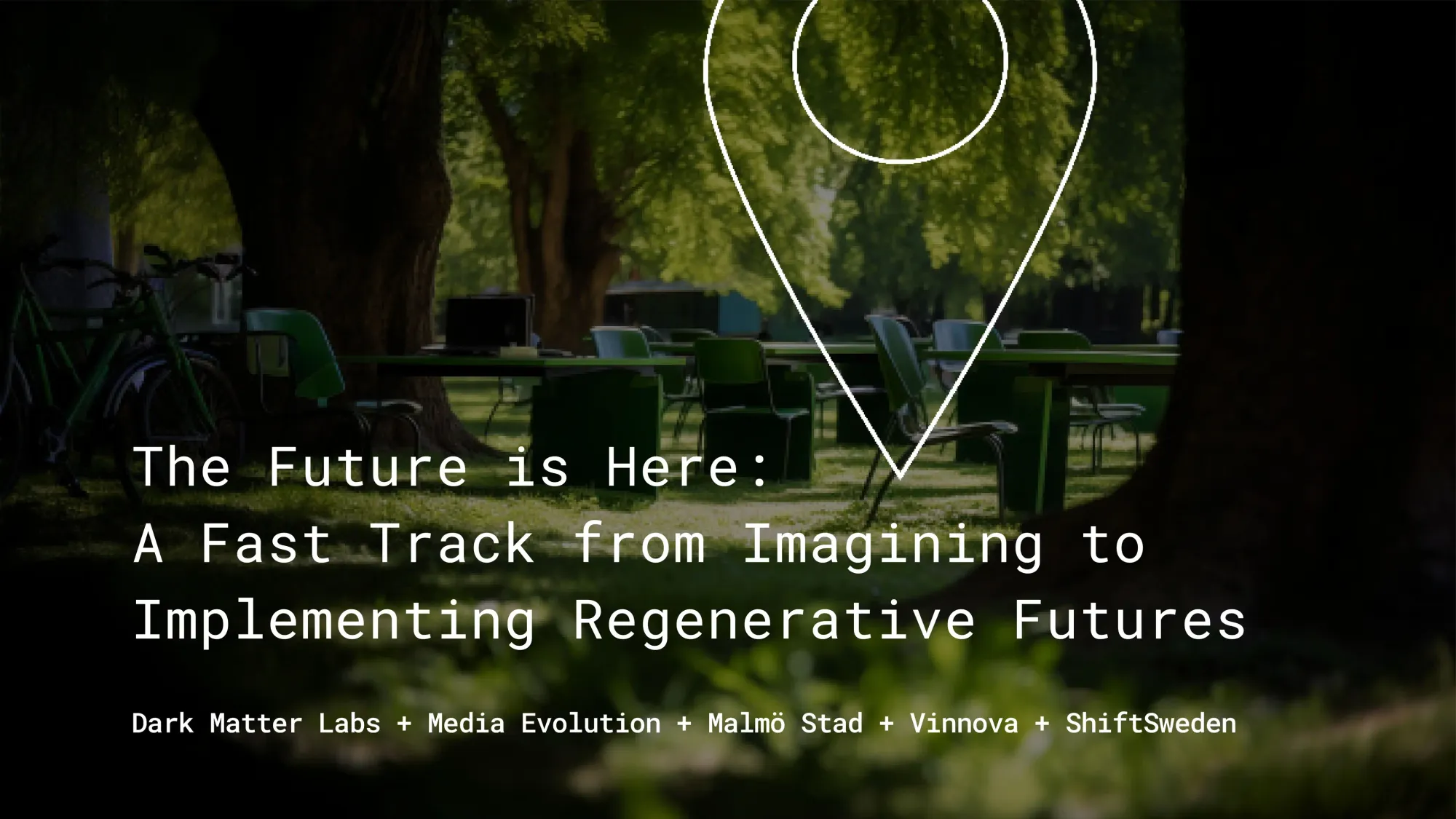
Dark Matter Labs: Designing Institutions as Mutable Systems
Dark Matter Labs approaches design as an instrument for institutional transformation rather than aesthetic production. The studio works at the scale of governance, finance, land, and law—domains traditionally resistant to design intervention. Its projects treat institutions as dynamic systems that can be reprogrammed through alternative logics of value, ownership, and accountability.

Rather than proposing finished policy solutions, Dark Matter Labs constructs experimental frameworks that allow new forms of decision-making to be tested in real contexts. This includes rethinking land stewardship models, exploring post-growth economic mechanisms, and prototyping governance structures that respond to ecological limits. Design, here, functions as a protocol for inquiry: mapping incentives, identifying systemic lock-ins, and revealing how power circulates through institutional architectures.
What distinguishes this work is its refusal of speculative distance. The studio embeds within live policy conversations, working alongside governments, civic organizations, and communities. Speculation becomes actionable not because it predicts outcomes, but because it clarifies choices. By making assumptions explicit and systems visible, Dark Matter Labs uses design to create space for institutional imagination grounded in material constraints.
Extrapolation Factory: Futures as Participatory Governance Tools
Founded by Elliott P. Montgomery and collaborators, Extrapolation Factory is often associated with provocative future artifacts. Yet its deeper contribution lies in how those artifacts operate as civic interfaces. The studio’s work uses speculative scenarios to engage publics, policymakers, and institutions in conversations about long-term consequences that are otherwise difficult to address.

Extrapolation Factory’s projects are structured as experiential systems: exhibitions, workshops, and public engagements that simulate alternative regulatory, environmental, or technological conditions. These are not predictions, but carefully constructed extrapolations from existing trends. By extending present-day logics into plausible futures, the studio creates shared reference points for debate.
In governance contexts, this approach functions as a protocol for collective sense-making. Participants are invited to inhabit futures shaped by today’s policy decisions, making abstract issues tangible and emotionally legible. The value lies less in the speculative object than in the process it enables—one that distributes authorship of the future across diverse stakeholders. Design becomes a mediator between expertise and public imagination, allowing governance to be rehearsed before it is enacted.
Rachel Coldicutt: Embedding Design Protocols in Civic Technology
Rachel Coldicutt operates at the intersection of digital technology, public institutions, and social outcomes. Her work emphasizes how design protocols—standards, processes, and decision frameworks—shape the ethical and practical impact of civic technologies. Rather than treating technology as neutral infrastructure, she foregrounds how design choices encode values into public systems.

Coldicutt’s approach is notably pragmatic. Working with governments, funders, and cultural institutions, she focuses on improving how technologies are commissioned, evaluated, and governed. This includes advocating for inclusive design practices, transparent evaluation metrics, and accountability mechanisms that extend beyond deployment. Speculation, in this context, is not futuristic storytelling but anticipatory governance: asking how systems might fail, exclude, or produce unintended consequences over time.
By embedding design thinking into procurement and policy processes, Coldicutt demonstrates how speculative protocols can operate quietly but effectively within institutions. The future is shaped not by grand visions, but by everyday decisions about data, accessibility, and responsibility. Design becomes a means of institutional self-reflection—an ongoing practice rather than a one-off intervention.

From Speculation to Stewardship
Taken together, these practices signal a broader shift in how speculative design is understood and applied. The focus is no longer on imagining distant futures, but on designing systems capable of adapting to uncertainty. Protocols replace predictions. Governance becomes a design space. This reframing expands the field’s responsibility. Working at the level of systems requires fluency in policy, economics, and institutional behavior, as well as a willingness to engage with slow, complex change. It also demands rigor: speculative protocols must be testable, legible, and accountable if they are to influence real-world decision-making.
As climate instability, technological acceleration, and social fragmentation continue to challenge existing institutions, the ability to prototype governance itself may become one of design’s most consequential roles. Not as authors of the future, but as architects of the conditions under which futures can be collectively negotiated.