Adam Hale is a UK-based collage artist and animator, and the founder of Digital Splice, a platform dedicated to contemporary collage practice and visual culture. His work operates at the intersection of analog material processes and digital image construction, moving fluidly between physical collage and animated media.
The process typically begins with physical collage. Fragments—often drawn from photographic sources, printed graphics, or hand-produced marks—are cut, arranged, and reassembled into composite images. These materials are then digitized, allowing Hale to manipulate scale, layering, and movement within animation software.
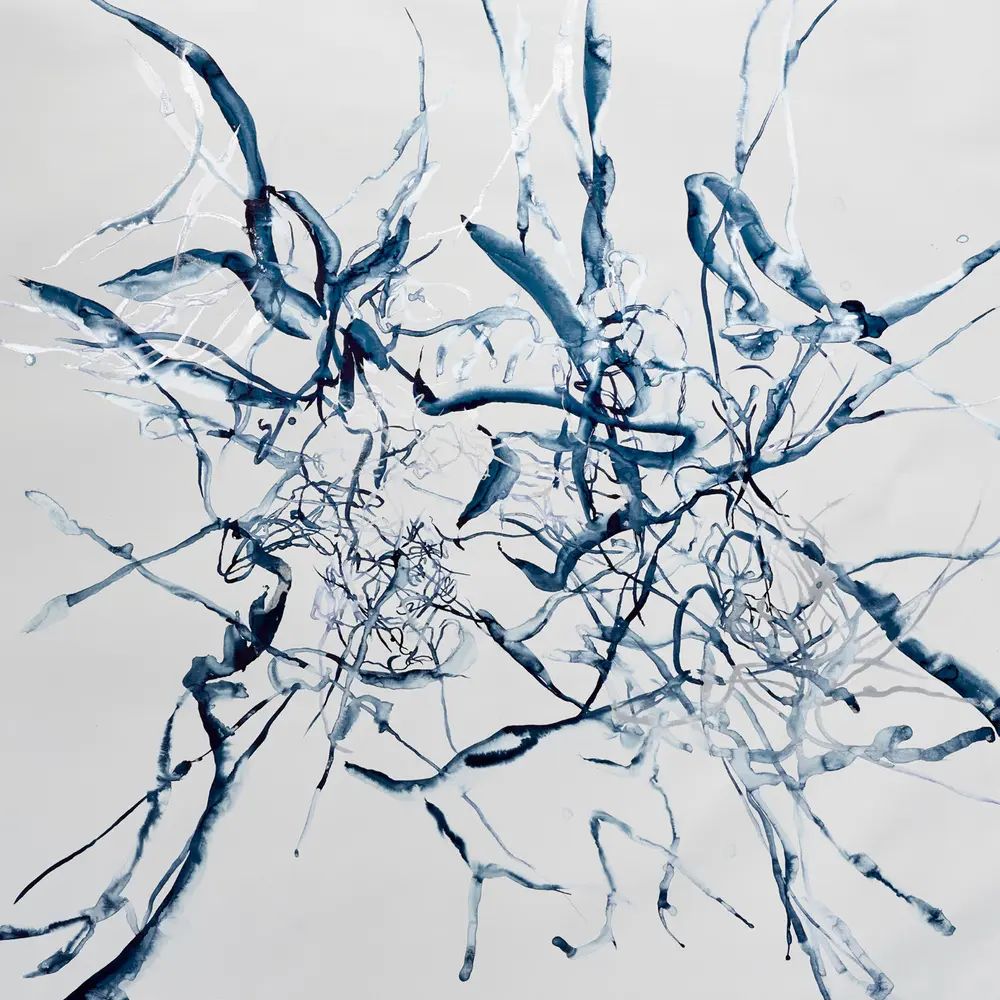
Image Credit: Quintessence, Adam Hale
Rather than treating collage as a static medium, Hale uses animation to destabilize the image. Elements repeat, loop, and shift position, producing compositions that remain in flux. Figures fragment and recombine, backgrounds fold into foregrounds, and visual hierarchies are continuously restructured. This approach places Hale’s work within a broader shift in image-making, where the boundary between physical and digital processes is increasingly fluid. The collage is not a finished object but an intermediate state within a longer computational workflow. Scanning and editing extend the material logic of cutting and layering into time-based media.
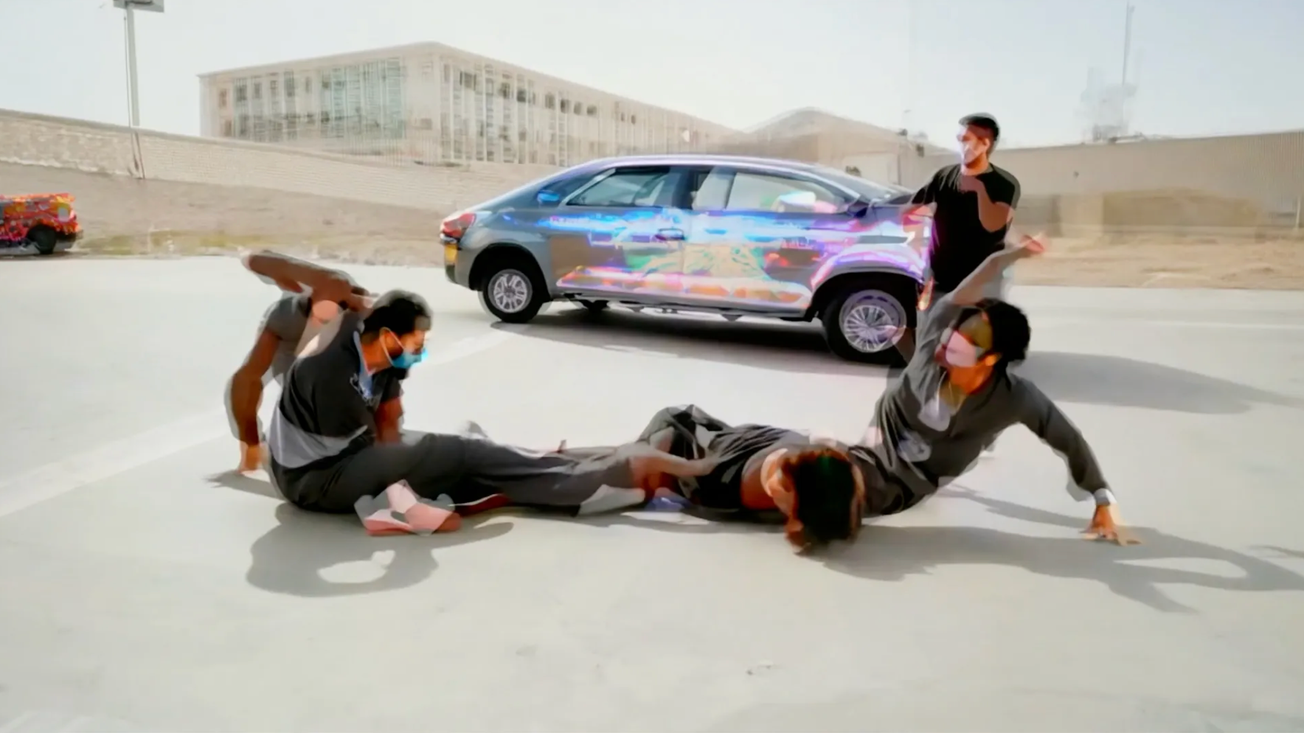
Image Credit: Distorted Memories, Adam Hale
Formally, the work often relies on density and accumulation. Multiple visual registers—texture, pattern, figure, and color—coexist within the same frame. Repetition plays a central role, both as a compositional strategy and as a temporal device in animation. Loops and cycles create rhythm, while small variations prevent the image from resolving into a stable configuration.
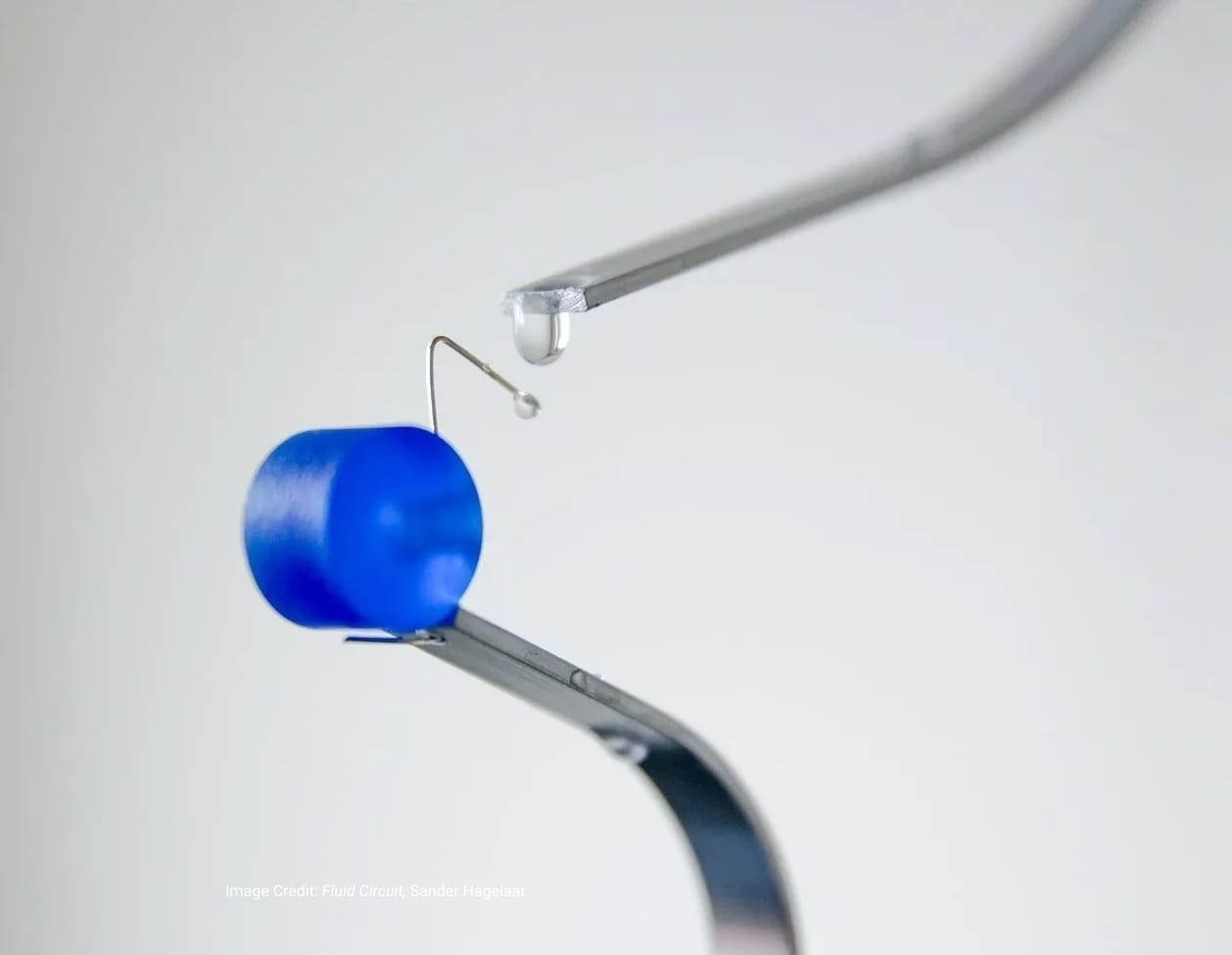
Image Credit: Exponential, Adam Hale
Hale’s animations do not follow linear narrative structures. Instead, they operate through transformation and association. Meaning emerges through juxtaposition, scale shifts, and the reconfiguration of familiar visual elements into unfamiliar arrangements.
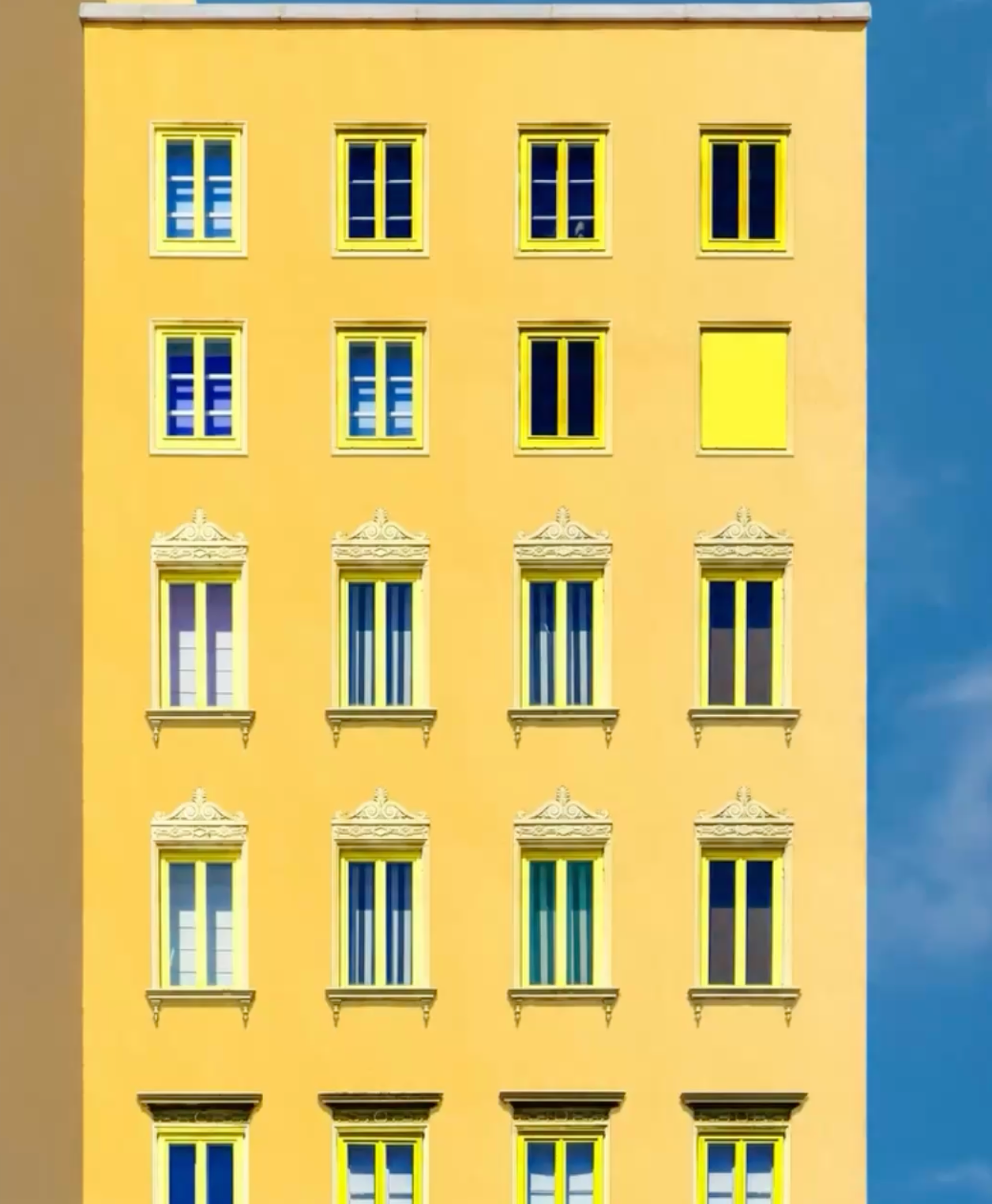
Image Credit: Gimme Shelter 5, Adam Hale
In this sense, the work can be understood as a system of image operations: cutting, layering, duplicating, and animating. Each stage of the process introduces new relationships between elements, allowing the composition to evolve across both space and time. By combining tactile, material processes with digital animation, Hale’s practice foregrounds the constructed nature of images. The viewer encounters not a seamless visual surface, but a composition that reveals its own assembly—where fragments remain visible even as they move.