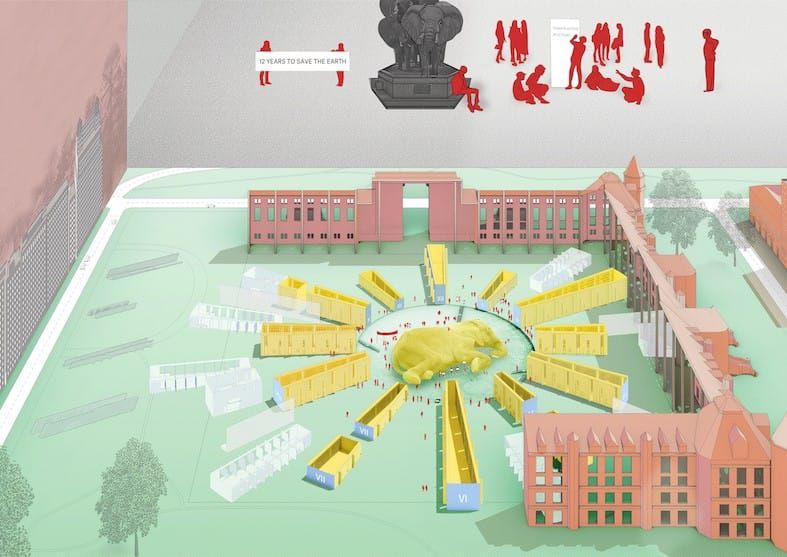
As climate volatility, resource constraints, and infrastructural fragility intensify, many artists and architects have already moved beyond treating computation as a neutral design aid. Across architecture, landscape, and spatial research, algorithms are routinely used not just for optimization or representation, but to model territorial processes, negotiate competing land uses, and structure infrastructures that respond to environmental change over time.
Often discussed under the rubric of algorithmic ecologies, this body of work positions computation as a medium of spatial governance as much as form-making. Research studios and experimental practices increasingly integrate planetary-scale datasets, environmental modeling, and systems thinking into design workflows. The result is an approach that treats cities, landscapes, and infrastructures as adaptive systems—assemblages shaped by feedback loops, thresholds, and uncertainty rather than fixed master plans or static end states.
From Computational Design to Territorial Intelligence
Early computational architecture largely emphasized geometry, performance optimization, and formal complexity. Contemporary algorithmic practices, by contrast, increasingly operate beyond the scale of the building envelope. They engage territorial conditions by integrating climate models, satellite imagery, logistical systems, and political boundaries into spatial analysis and design research. This approach is exemplified by Territorial Agency, founded by John Palmesino and Ann-Sofi Rönnskog. The practice is known for large-scale spatial investigations that combine cartography, environmental data, and political analysis. Rather than proposing discrete architectural objects, Territorial Agency develops visual and computational frameworks that examine how energy systems, climate dynamics, and geopolitical forces interact across regions.
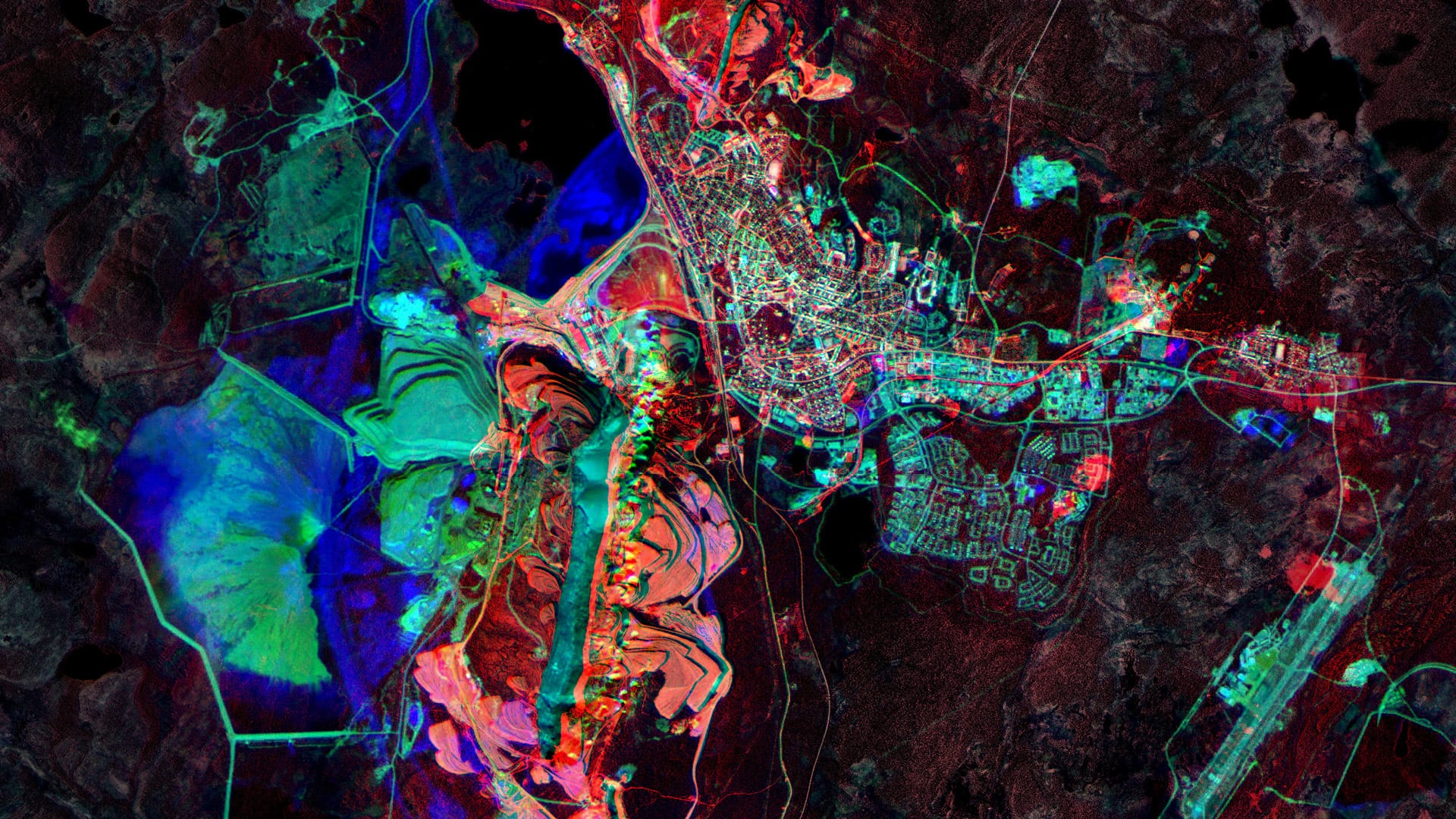
Their work illustrates a defining characteristic of algorithmic ecologies: design as a mode of inquiry. Computational tools are used to surface relationships—between extraction and habitation, infrastructure and ecology—rather than to reduce complex territorial systems to singular solutions. For architects and designers, this reflects a shift away from deterministic planning toward scenario-based and probabilistic spatial thinking.
Speculation as Infrastructure: Design Earth
If Territorial Agency emphasizes analytical clarity, Design Earth foregrounds speculation as a critical design method. Led by Rania Ghosn and El Hadi Jazairy, the practice produces projects that combine environmental data, geopolitical research, and narrative visualization to examine how futures are framed and governed.
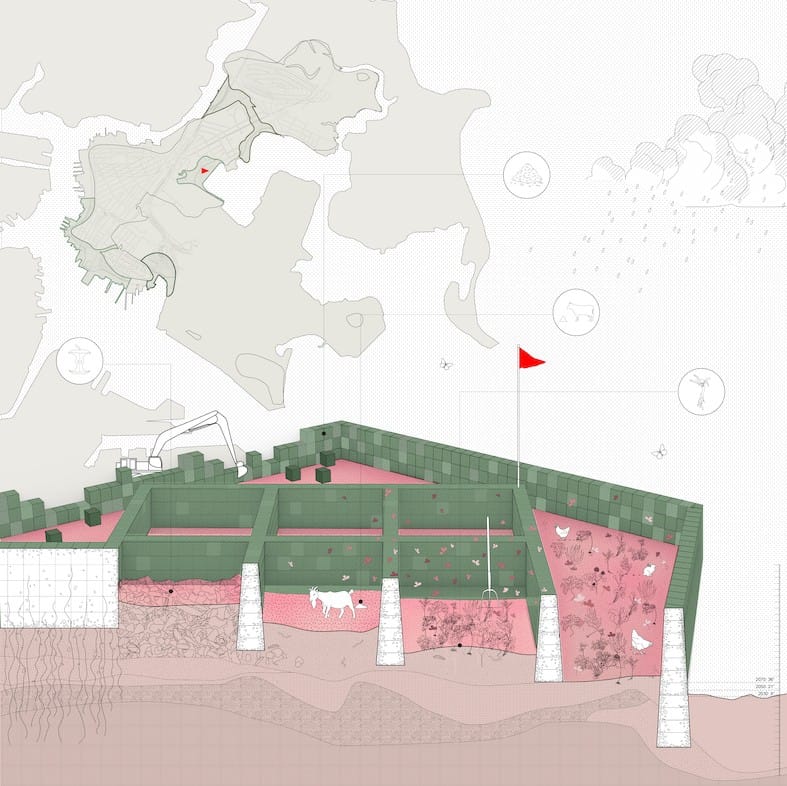
Design Earth’s work frequently employs computational mapping and modeling not to predict outcomes, but to construct alternative imaginaries. Their projects visualize offshore energy fields, planetary extraction zones, and post-carbon infrastructures as contested ecological systems. In this context, algorithms function less as tools of efficiency and more as instruments for critical storytelling, making visible the assumptions embedded in infrastructural decision-making. This speculative dimension is central to algorithmic ecologies. By rendering often invisible systems legible—whether atmospheric flows or logistical corridors—designers create space for political and ethical debate. Computation becomes a means of intervening upstream in how infrastructural futures are conceived.
Adaptive Infrastructures and Urban Feedback Loops
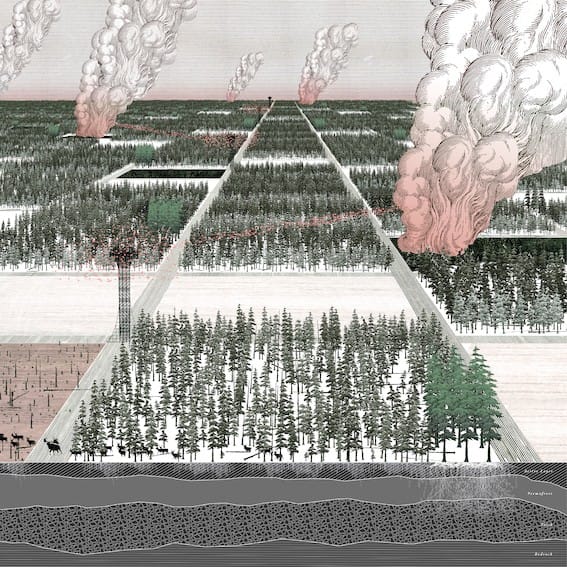
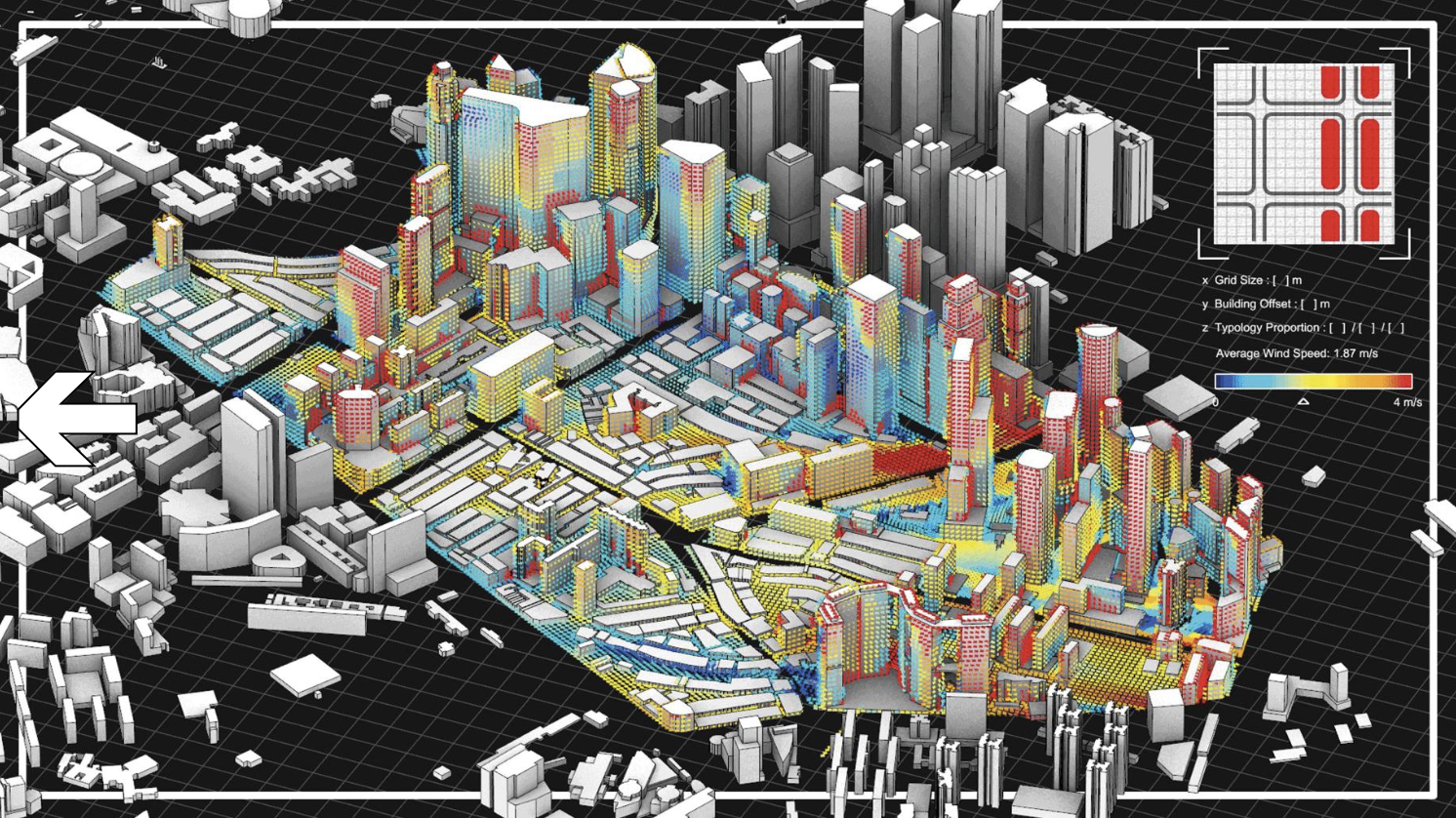
While speculative practices shape discourse, parallel research initiatives are translating algorithmic thinking into operational research frameworks. Future Cities Laboratory, a research initiative of the Singapore-ETH Centre, investigates how cities can adapt to environmental stress through integrated modeling of urban systems. The lab’s work spans climate-responsive urban design, mobility systems, and data-driven planning tools. Crucially, it treats cities as evolving systems shaped by continuous feedback—between climate, policy, behavior, and infrastructure. Computational models are used to simulate scenarios, test interventions, and evaluate trade-offs rather than to enforce static outcomes.
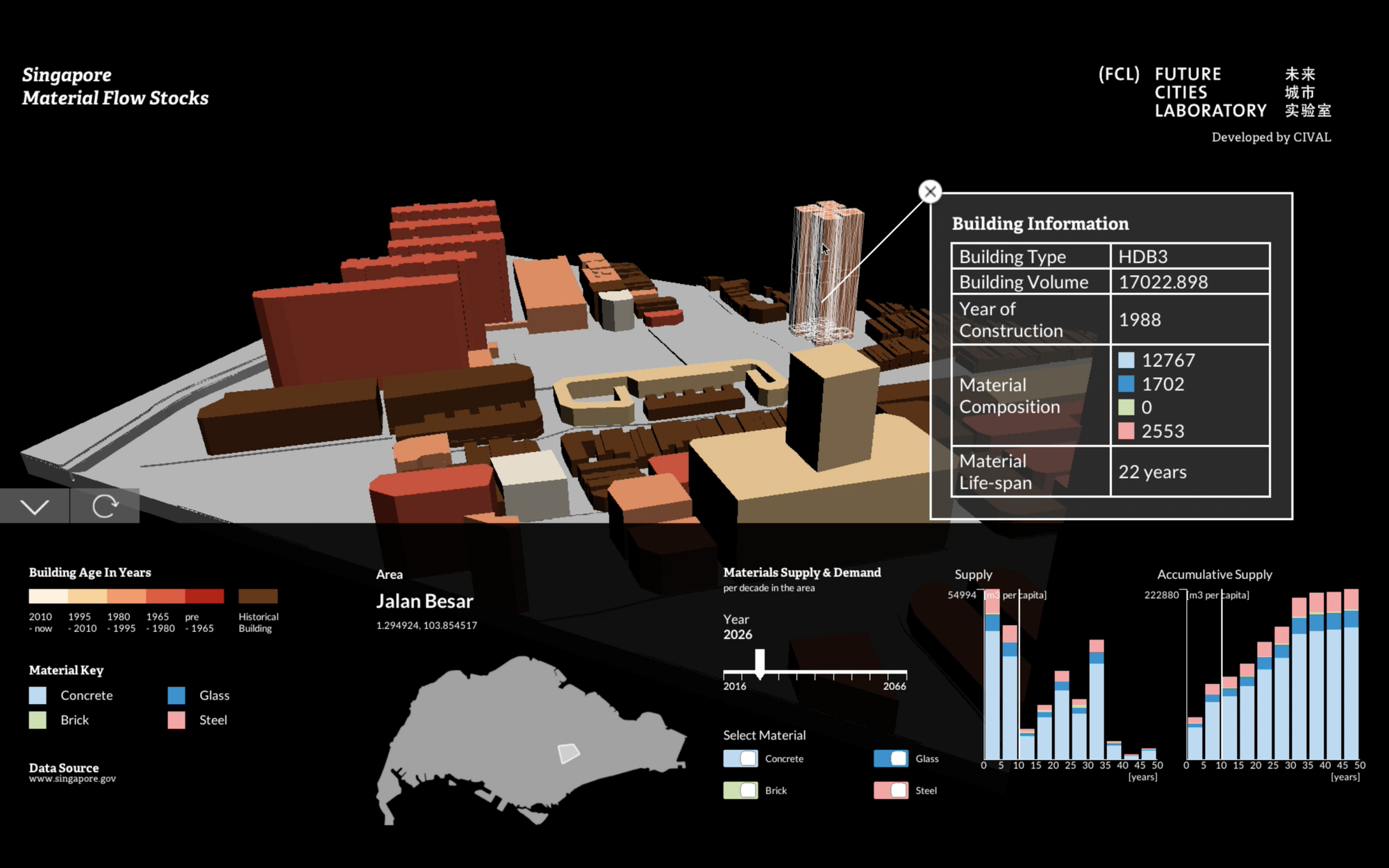
This orientation reflects a broader trend: adaptive infrastructure design. Instead of building for a single predicted future, algorithmic ecologies emphasize flexibility, redundancy, and responsiveness. Sensors, simulations, and data platforms are embedded into urban systems to enable adjustment over time—whether in flood management, energy distribution, or mobility networks.
Why Algorithmic Ecologies Matter
The significance of algorithmic ecologies lies less in technological novelty than in how creative practice engages power. Algorithms increasingly mediate access to land, resources, and mobility, and when designers participate in shaping these systems, they intervene—often indirectly—in forms of governance.
Artists and architects working in this space are also reconfiguring authorship. Projects can be less of a finished object than a set of conditions: rules, datasets, models, and scenarios that structure future decisions. This reflects a broader recognition that design operates as infrastructure, shaping behavior, priorities, and possibilities through everyday systems rather than isolated artifacts.
Algorithmic ecologies provide a framework for engaging complexity without retreating into abstraction. They demonstrate how computation can support ecological thinking at scale while remaining attentive to political and cultural contexts. As climate pressures intensify and urban systems face increasing uncertainty, these practices point toward a recalibration of design’s role—not as a standalone problem-solver, but as a critical participant in shaping adaptive and contested futures.