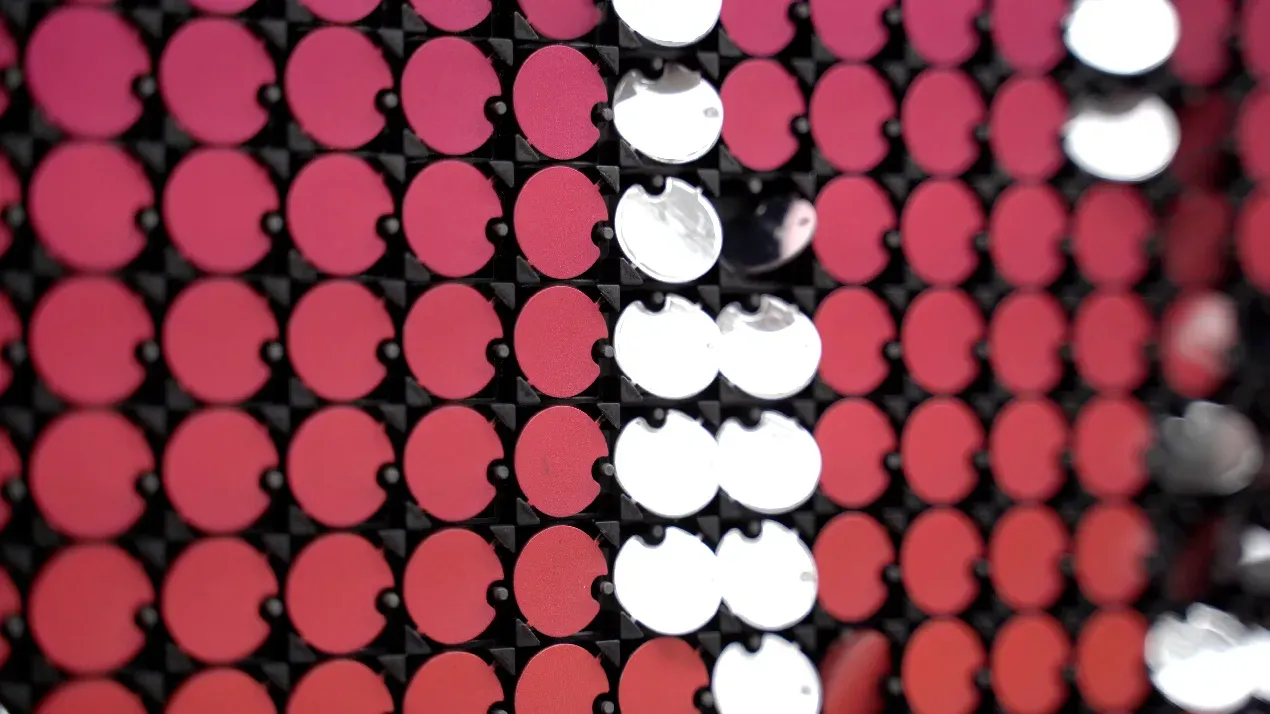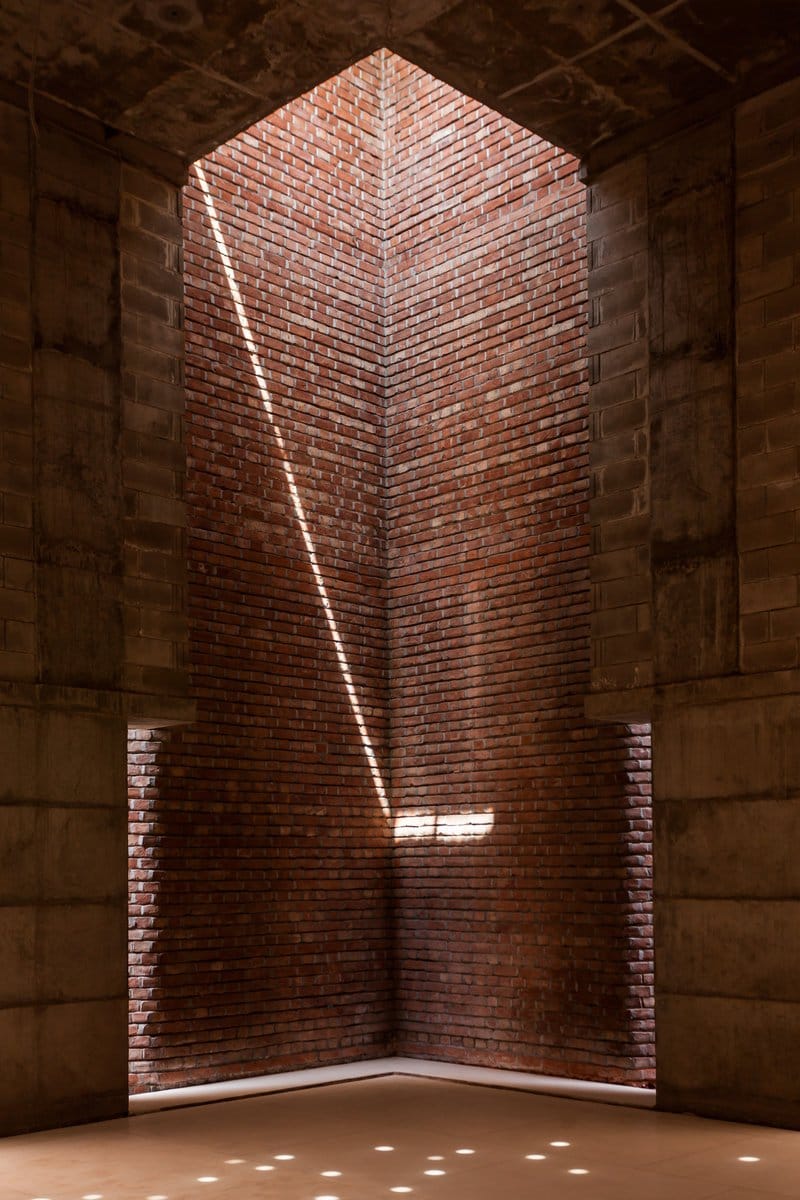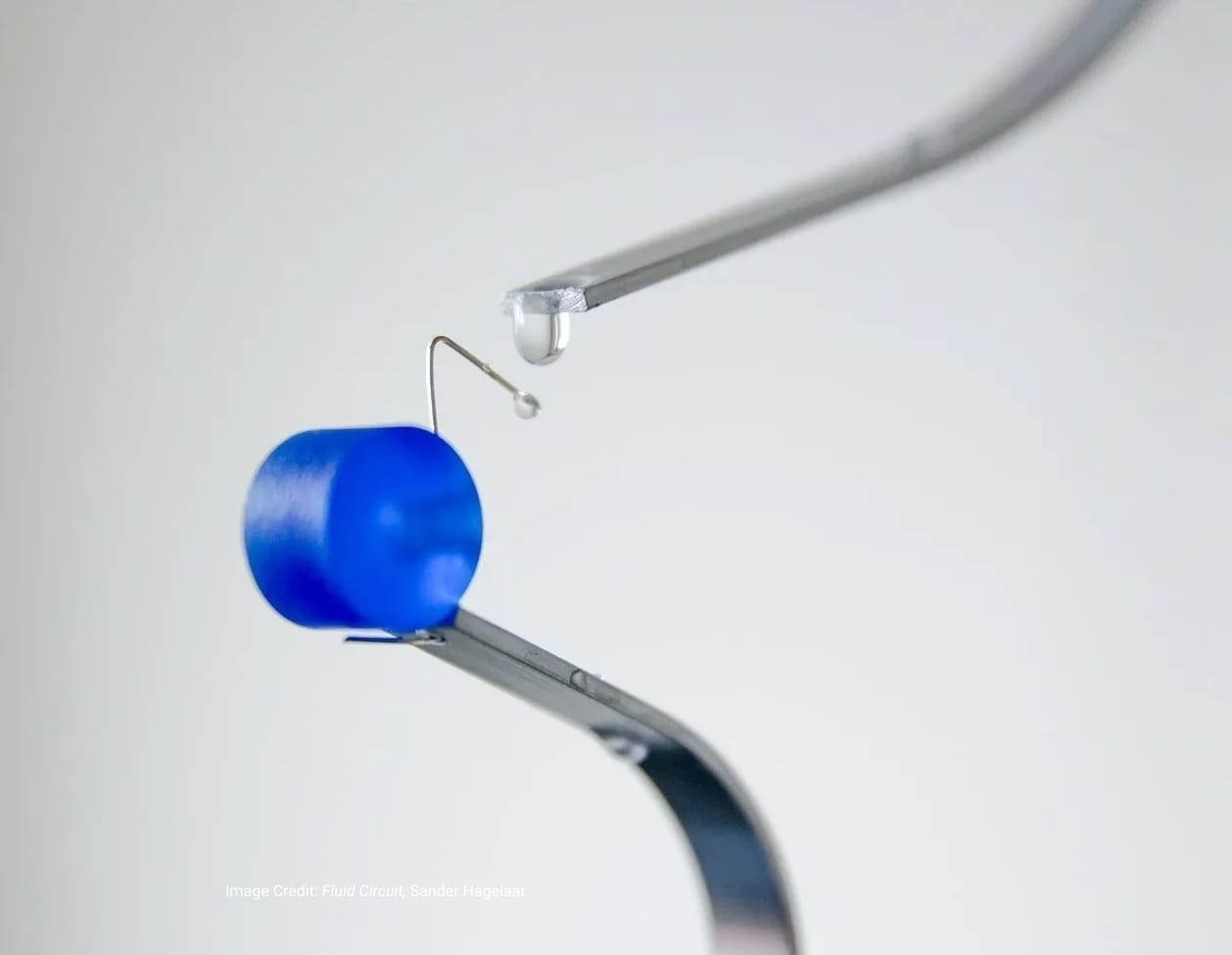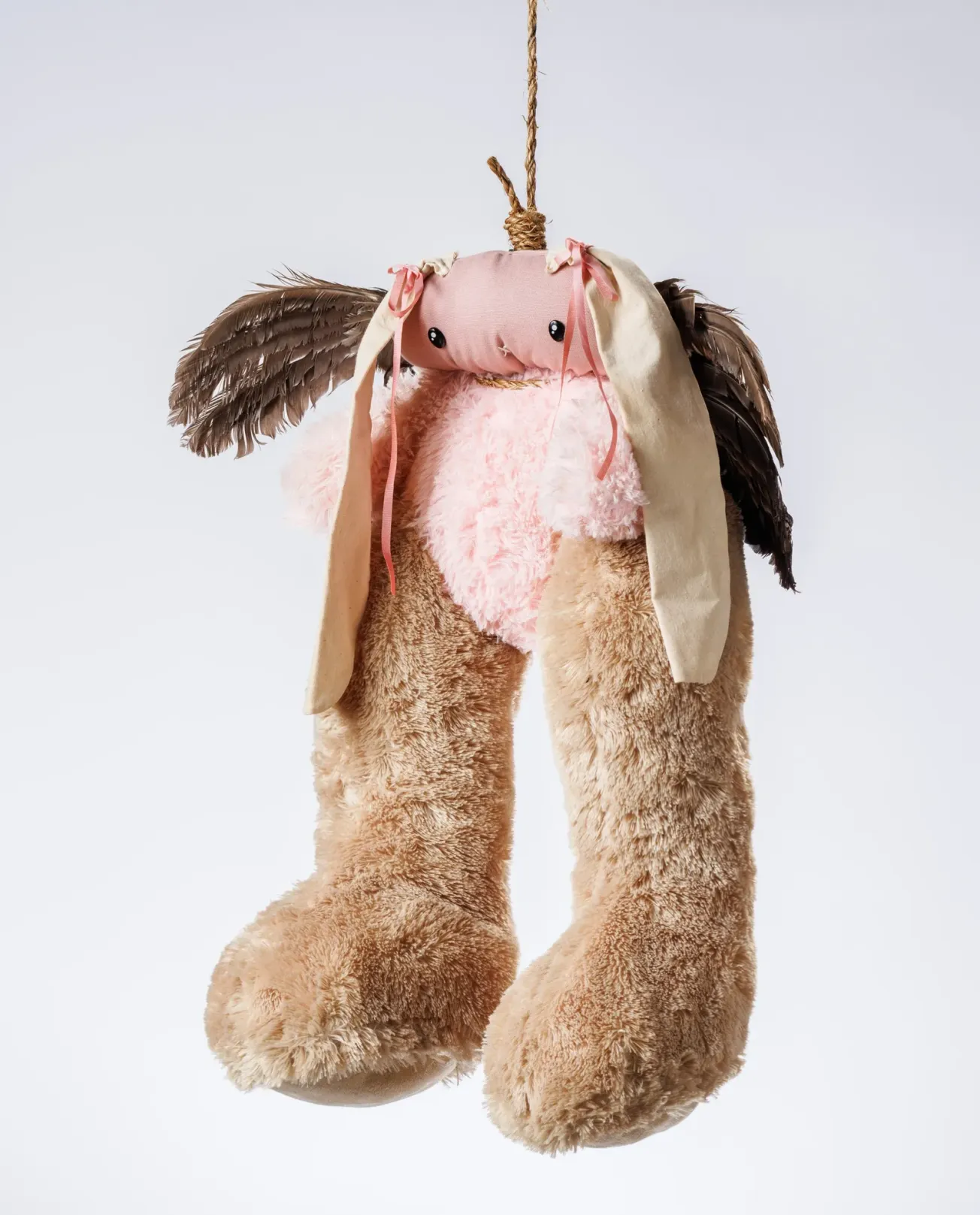
The 2026 Whitney Biennial, curated by Marcela Guerrero and Drew Sawyer, has been framed by critics as a survey shaped by derivative tendencies—what one recent New Yorker review described as “ChatGPT art,” where works appear as “facsimiles of facsimiles” detached from clear artistic lineage. The critique targets a perceived lack of acknowledgment of influence, but the broader issue extends beyond authorship. It points to a shift in how cultural production operates under conditions increasingly aligned with machine learning.
Appropriation has long been central to contemporary art. Sherrie Levine’s After Walker Evans (1981) and Elaine Sturtevant’s reworkings of canonical artists foregrounded copying as a critical act, making lineage explicit and conceptually necessary. By contrast, many works in the current Biennial have been read as operating through resemblance without articulation. One critic has pointed to visual and conceptual echoes between artists such as Mo Costello and earlier photographic practices associated with James Welling, or between Nour Mobarak’s installations and the environmental systems of Pierre Huyghe.
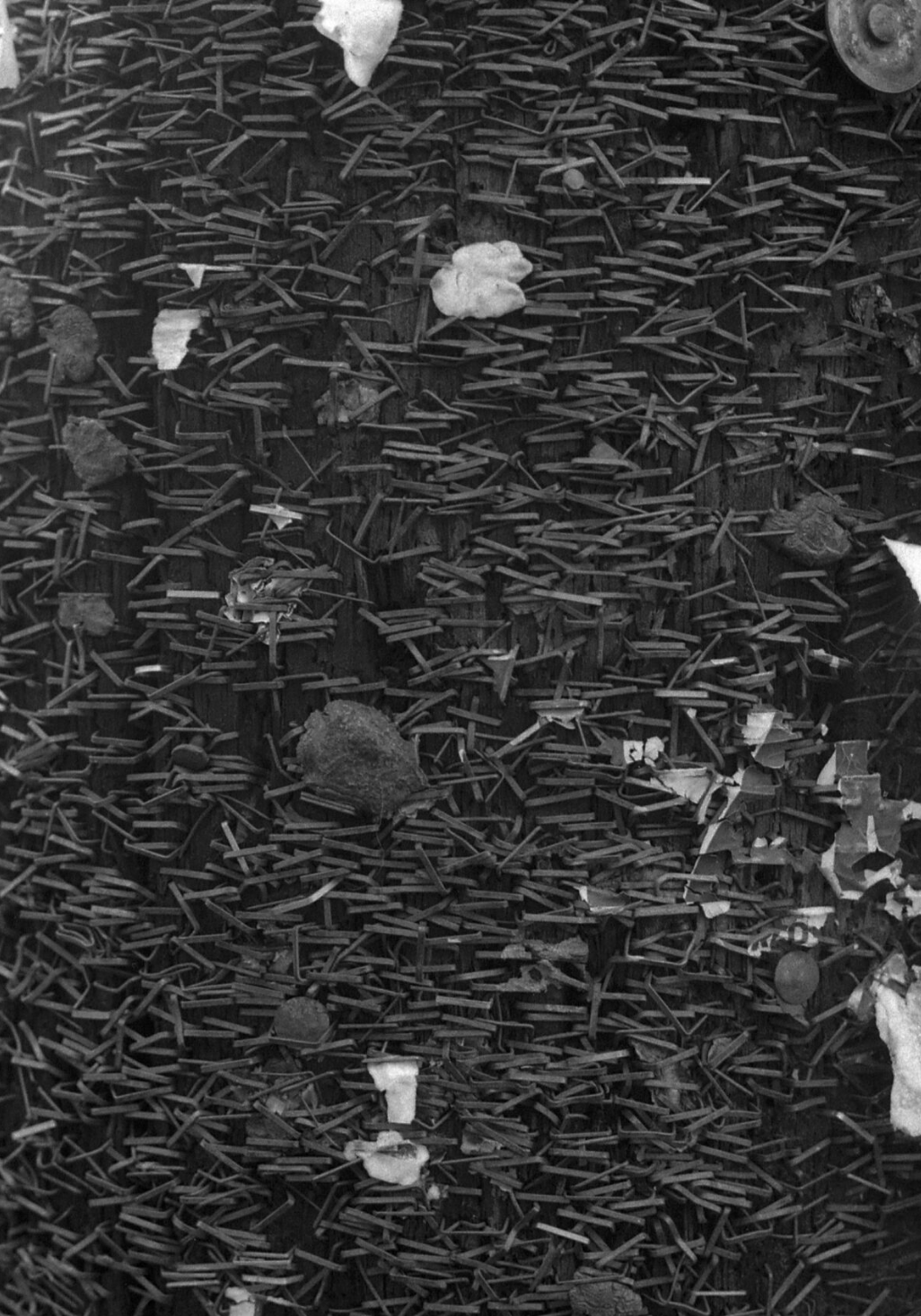
What distinguishes this moment is not the presence of influence, but its flattening. Machine learning systems are trained on large-scale datasets where attribution is obscured and context is compressed. That logic appears to be mirrored in some of the works discussed by critics: influence circulates as aesthetic pattern rather than as a situated, critical relationship. The result is work that can resemble prior practices without engaging their conditions of production.
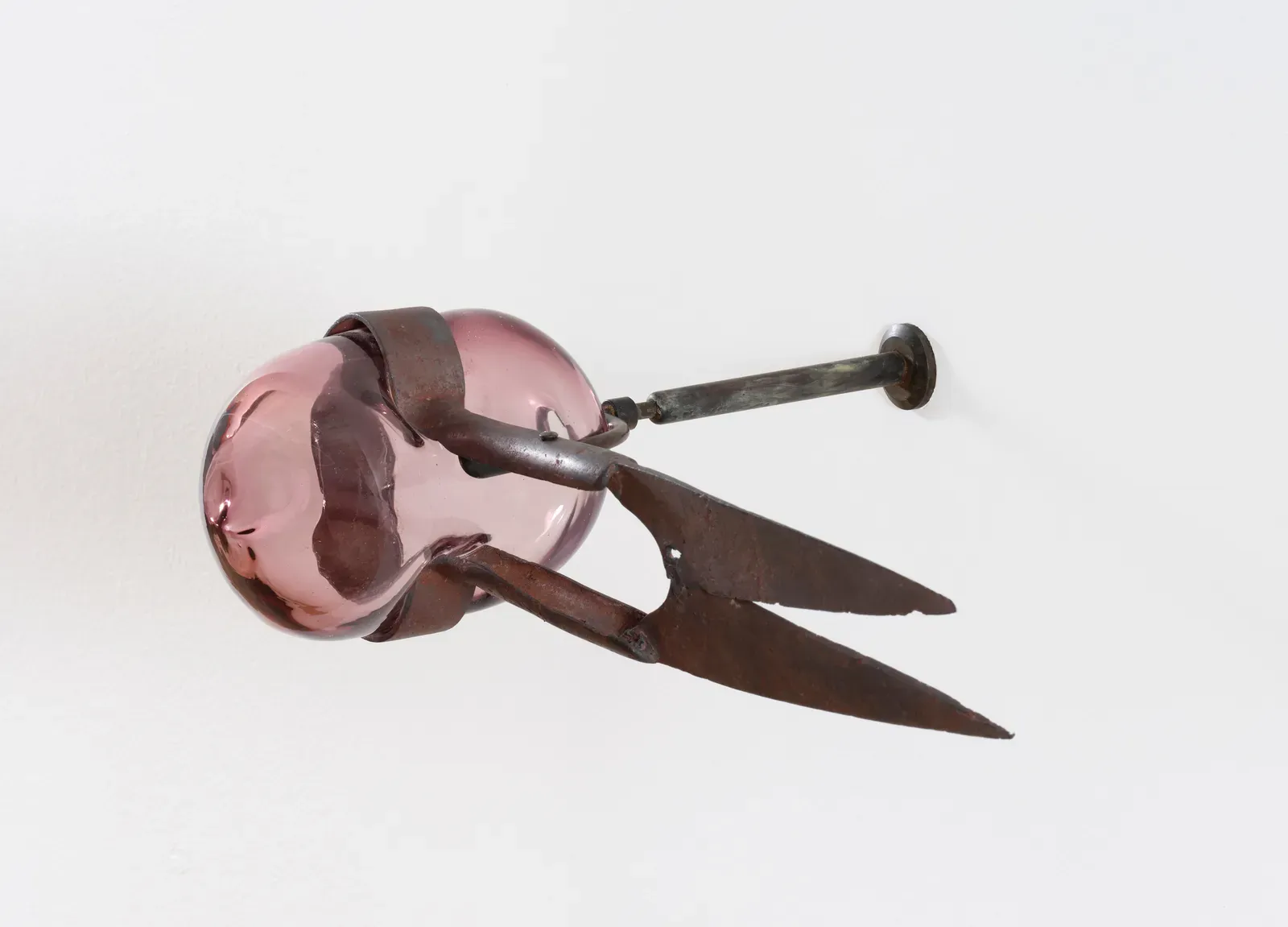
Not all artists in the exhibition operate this way. Agosto Machado’s assemblages draw directly on the history of downtown New York performance and activism, functioning as material archives rather than stylistic references. Similarly, Sula Bermúdez-Silverman’s glass and steel sculptures engage Dada and postwar sculpture through explicit formal and historical dialogue.
The Biennial does not present a unified position on contemporary art, but it does register a shift. As generative systems reshape how images, forms, and styles circulate, the question is less about whether artists use AI and more about whether artistic practice can maintain legible relationships to its sources. In this context, authorship becomes less about originality than about the capacity to situate work within a field of references that remains visible rather than flattened into output.